Breast Surgery Korea: Seoul Clinics & What to Expect

Breast Surgery Korea: A Practical Guide for International Patients Considering Seoul

For patients exploring breast surgery Korea has become one of the most sought-after destinations, and the reasons go beyond cost. Seoul’s plastic surgery sector has spent decades refining techniques, building internationally accredited facilities, and training surgeons who regularly treat patients from across Asia, the Middle East, North America, and Europe. Whether you’re considering augmentation, reduction, lift, or reconstruction, understanding what Seoul’s clinics actually offer — and how the process works for a foreign patient — is the most useful starting point.

Why Seoul Has Become a Destination for Breast Procedures

South Korea’s medical tourism infrastructure is genuinely developed in a way that few countries can match. Government-supported coordination programs, multilingual patient coordinators, and clinics with dedicated international departments mean the logistics of traveling for surgery are far more manageable than many patients expect. Seoul in particular has a high concentration of board-certified plastic surgeons who specialize exclusively in aesthetic and reconstructive breast procedures, meaning you’re not consulting a general surgeon who occasionally performs these operations — you’re working with specialists whose daily caseload is focused on this area.

Korean surgical culture also places significant emphasis on natural-looking outcomes and proportionality. This aesthetic philosophy tends to resonate with patients who want results that look balanced for their frame rather than overtly dramatic. Surgeons here are trained to analyze the relationship between breast volume, chest width, and overall body proportion before recommending an implant size or surgical approach.

Common Procedures and What They Involve

The most frequently requested breast procedures among international patients in Seoul include:

  • Breast augmentation — placement of silicone or saline implants, with ongoing discussion between surgeon and patient about profile, projection, and incision placement
  • Breast lift (mastopexy) — reshaping and repositioning breast tissue, often combined with augmentation depending on the degree of ptosis
  • Breast reduction — removing excess tissue and skin to relieve physical discomfort and improve proportion
  • Implant revision or replacement — correcting complications or aesthetic dissatisfaction from previous surgeries performed elsewhere
  • Reconstructive procedures — though primarily handled in hospital settings, some clinics work with patients post-mastectomy in coordination with oncology teams

Implant revision cases are particularly common among international patients who had procedures in their home countries and are seeking correction in Seoul. Korean surgeons are experienced in assessing capsular contracture, implant malposition, and other outcomes that require secondary work.

Additional details are available through Breastimplantkorea.

What to Expect During the Consultation Process

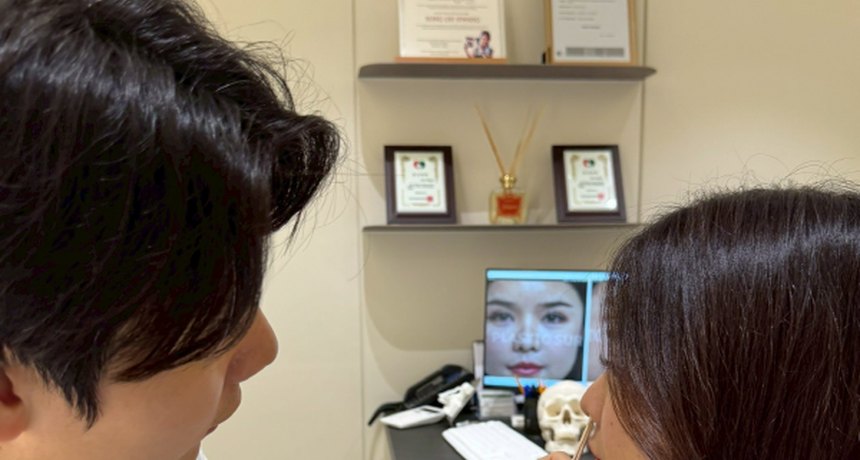
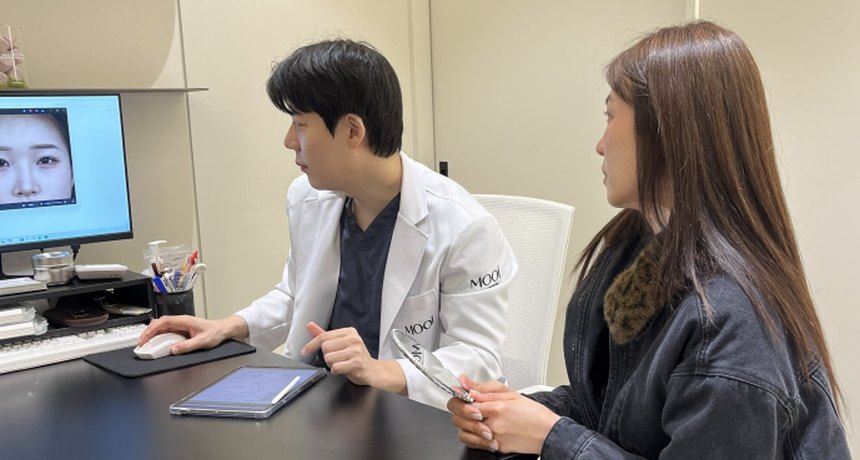
Most Seoul clinics that work with international patients offer virtual consultations before you travel. You’ll typically submit photos, medical history, and a description of your goals, and a coordinator will schedule a video call with the surgeon or a senior consultation staff member. This pre-travel step allows you to understand whether the clinic’s approach aligns with what you’re looking for before committing to flights and accommodation.

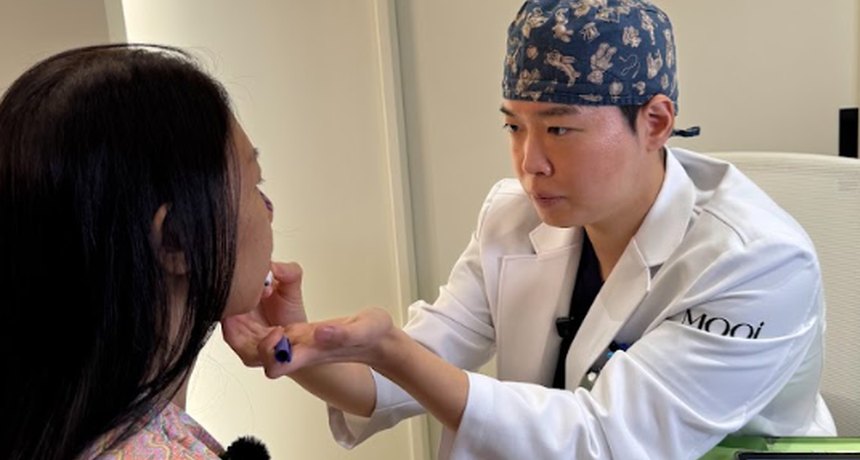
Once in Seoul, the in-person consultation usually includes a physical assessment, imaging review if relevant, and a detailed discussion of surgical planning. Reputable clinics will have English-speaking coordinators present throughout this meeting to ensure nothing is lost in translation. Ask directly about the surgeon’s qualifications, their board certification with the Korean Society of Plastic and Reconstructive Surgeons, and how many procedures of your specific type they perform annually.

For a detailed comparison, Breastsurgeryseoul is worth checking.

Safety Standards and Facility Accreditation

Patient safety is a reasonable concern when seeking breast surgery Korea’s clinics are held to by national medical law, which sets licensing requirements for both surgeons and facilities. Many clinics catering to international patients have pursued additional international accreditation, and anesthesia is administered by licensed anesthesiologists rather than nurse anesthetists in most certified surgical settings. Before confirming a booking, verify that your procedure will take place in a properly registered medical facility — not a treatment room — and that post-operative care and emergency protocols are clearly outlined.

Planning Your Stay

Most breast procedures require patients to remain in Seoul for at least seven to fourteen days post-surgery before it’s advisable to fly. Clinics typically schedule follow-up appointments within this window to remove drains if used, check healing, and address any early concerns. Many international patient coordinators can assist with accommodation recommendations, transportation, and arranging translation services for any pharmacy or aftercare needs during your recovery period.

Coming prepared with realistic expectations, a clear understanding of your own goals, and a list of direct questions for your surgeon will make the entire experience considerably smoother. Seoul’s infrastructure for this type of medical travel is well-established — the key is approaching the process with the same research and diligence you’d apply to any significant medical decision.

Leave a Comment