Short Nose Correction in Korea | Costs, Types & Results

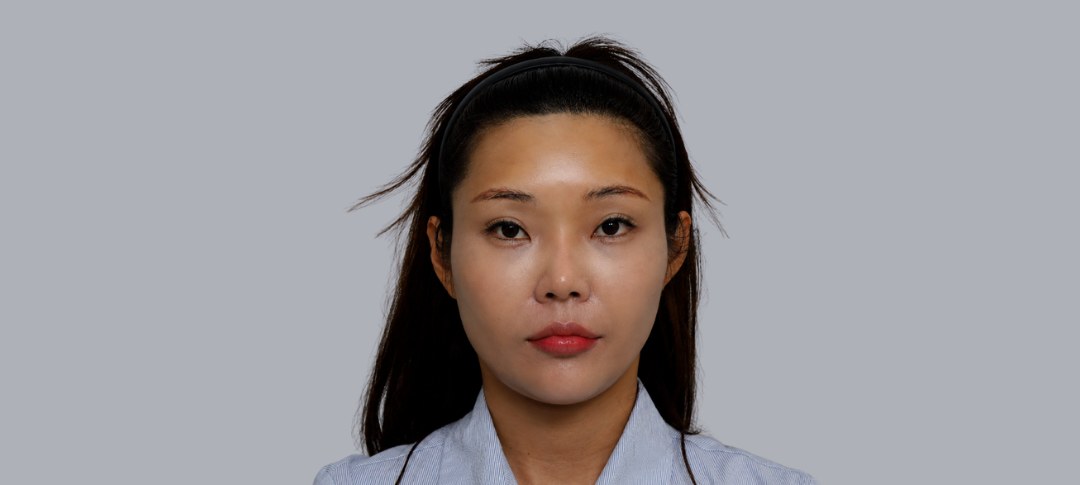
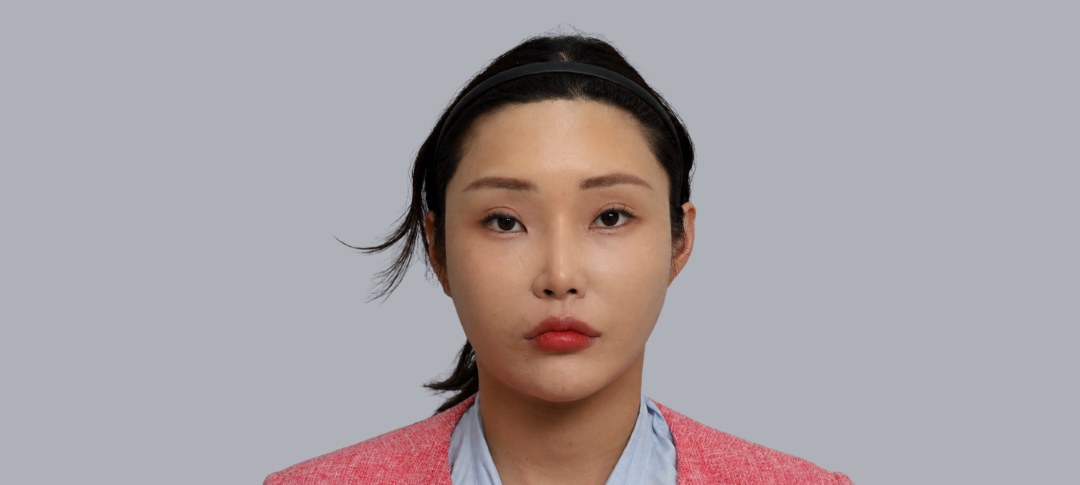
Korea is one of the world’s leading destinations for rhinoplasty, and short nose correction is one of the most requested procedures in Seoul. Patients travel from across Asia, North America, and Europe to work with highly experienced surgeons who specialize in this complex technique. If you feel your nose looks too small, upturned, or out of proportion with your face, short nose correction in Korea may be the right solution for you.

What is Short Nose Correction?

Short nose correction is a type of rhinoplasty that lengthens the nose and adjusts the nasal tip. A short nose often appears upturned, with the nostrils visible from the front. This can be a natural feature or the result of a previous rhinoplasty that went wrong. Korean surgeons use cartilage grafts and structural techniques to extend the nose downward and create a more balanced look. For patients interested in understanding different rhinoplasty approaches, you can find more information about how various techniques work together to achieve facial harmony.

  • Better facial balance: A longer nose brings your facial features into better proportion.
  • Natural-looking results: Korean surgeons focus on subtle, natural outcomes rather than dramatic changes.
  • Correction of past surgery: Revision rhinoplasty for short noses caused by previous procedures is a specialty in Korea.

Types of Short Nose Correction Offered in Korea

Korean clinics offer several approaches depending on your nose structure and goals.

  • Cartilage graft extension: Cartilage taken from the ear or rib is used to lengthen the nasal septum and tip. This is the most common method for significant correction.
  • Septal extension graft: A piece of cartilage is attached to the existing septum to push the nasal tip downward. This gives a stable, long-lasting result.
  • Revision rhinoplasty: For patients who had a previous nose job that made the nose too short, revision surgery rebuilds the nasal structure carefully using rib cartilage in most cases.
  • Combined tip and bridge correction: Some patients need both tip lengthening and bridge augmentation at the same time. Korean surgeons regularly perform these combined procedures in one session.

Why Choose Korea for Short Nose Correction?

  • High surgical volume: Korean surgeons perform more rhinoplasty procedures per year than almost any country in the world, giving them deep expertise.
  • Specialized revision skills: Many clinics in Seoul focus specifically on revision rhinoplasty and complex structural corrections.
  • Advanced techniques: Korean surgeons are known for using rib cartilage and septal extension grafts with a very high level of precision.
  • Competitive pricing: You get world-class results at a fraction of the cost compared to the US or UK.
  • Medical tourism infrastructure: Seoul is well set up for international patients, with English-speaking coordinators, translation services, and recovery-friendly accommodation nearby.

Cost of Short Nose Correction in Korea

Prices vary based on complexity, the type of cartilage used, and whether the procedure is primary or revision surgery. Beyond nose surgery, many international patients also explore complementary facial procedures while in Seoul, such as treatments offered at vline seoul, which cater to comprehensive facial enhancement goals.

  • Basic short nose correction (ear cartilage): ₩3,500,000 – ₩5,000,000 (approximately $2,600 – $3,700 USD)
  • Septal extension graft rhinoplasty: ₩5,000,000 – ₩8,000,000 (approximately $3,700 – $6,000 USD)
  • Rib cartilage short nose correction: ₩8,000,000 – ₩12,000,000 (approximately $6,000 – $9,000 USD)
  • Revision short nose correction: ₩10,000,000 – ₩15,000,000 (approximately $7,500 – $11,200 USD)

These prices usually include the surgeon fee, anesthesia, operating room, and basic follow-up visits. Always confirm what is included before booking.

What to Expect During and After

Short nose correction is performed under general anesthesia and takes between one and three hours depending on the complexity. Most procedures use an open rhinoplasty approach, which gives the surgeon full visibility of the nasal structure. After surgery, you will have a nasal splint for about one week. Swelling and bruising around the eyes is normal for the first two weeks. Most patients feel comfortable going out in public after ten to fourteen days, though full swelling takes several months to fully settle. Some patients combine their nose surgery with other body contouring procedures, and comprehensive guides like the breast korea guide can help you explore all available options during your stay.

Follow-up and Results

You will have a follow-up appointment around seven days after surgery to remove the splint and check healing. If you are traveling from abroad, many clinics offer remote follow-up consultations by video call after you return home. Final results are typically visible around six to twelve months after surgery once all the deep swelling has gone down. Rib cartilage results tend to be very stable and long-lasting. For patients seeking detailed information about all aspects of cosmetic surgery in Korea, resources like plasticsurgeryguidekorea.com provide comprehensive guidance on recovery protocols and post-operative care. It is important to avoid heavy exercise, sun exposure, and wearing glasses for the first few weeks.

Conclusion

Short nose correction in Korea offers a high standard of surgical care at very competitive prices. Seoul’s rhinoplasty specialists have extensive experience with both primary and revision cases, making Korea a trusted destination for patients who want safe, natural-looking results. Whether your short nose is natural or caused by a previous surgery, qualified Korean surgeons can create a balanced, lasting correction tailored to your face.

Ready to take the next step? Contact us on WhatsApp for a free consultation. Share your photos, ask about costs, and get matched with a verified clinic in Seoul that specializes in short nose correction. Our team is available to guide you through every step of your medical trip to Korea.