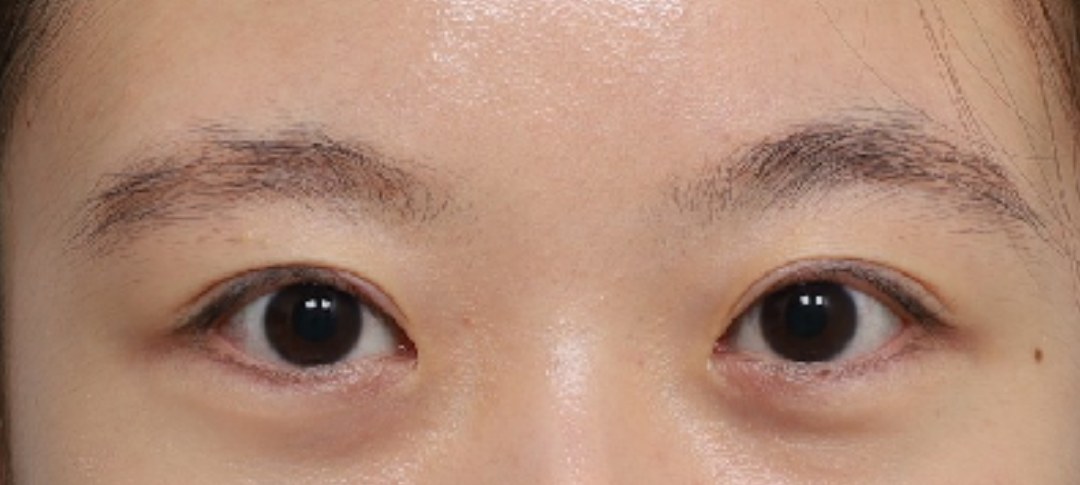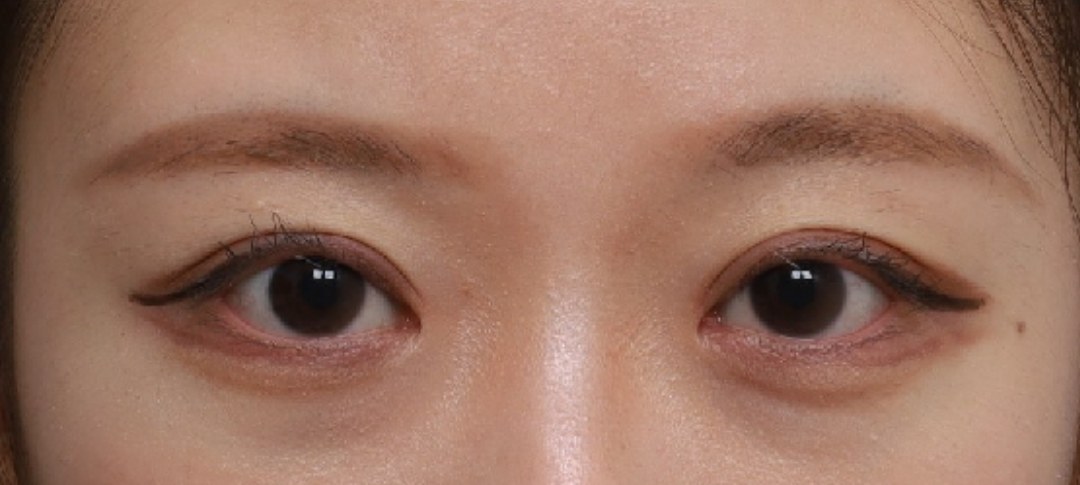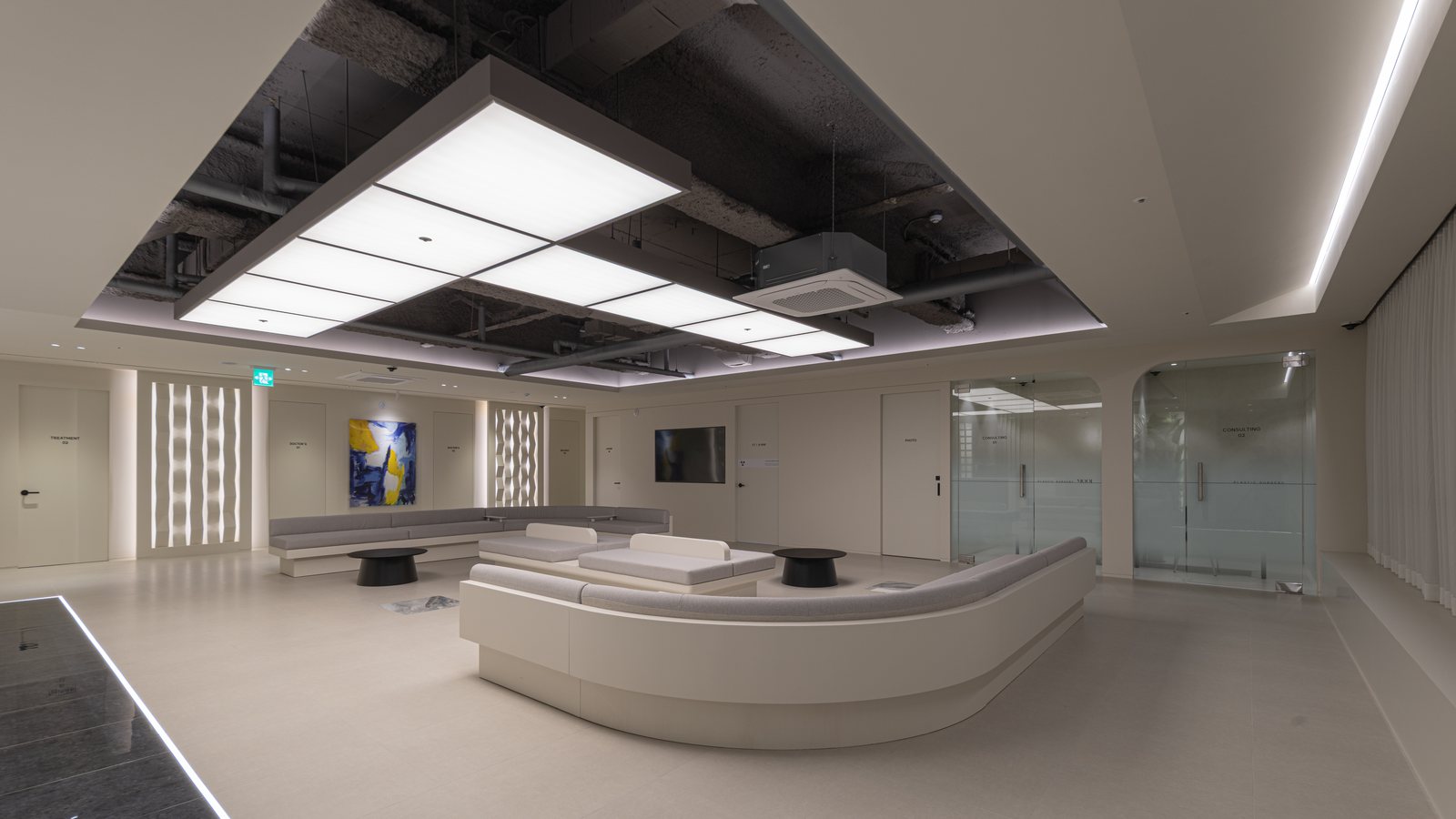
Korea is one of the top destinations in the world for eye surgery, and ptosis correction is one of the most requested procedures in Seoul. Whether your drooping eyelid is affecting your vision or your confidence, Korean surgeons offer precise, natural-looking results at a fraction of the cost you’d pay in the West.
What is Ptosis Correction?
Ptosis (pronounced TOH-sis) is a condition where the upper eyelid droops lower than it should. It can affect one eye or both. In some cases it’s purely cosmetic, but in others it can actually block vision. Ptosis correction is a surgical procedure that lifts the eyelid back to its proper position by tightening or repositioning the muscle that controls it.
- Improved vision: Removing the drooping fold can restore your full field of sight
- More alert appearance: Eyes look wider, brighter, and more youthful after surgery
- Long-lasting results: Most patients enjoy permanent or near-permanent correction from a single procedure
Types of Ptosis Correction Offered in Korea
Korean clinics offer several approaches depending on the cause and severity of your ptosis.
- Levator muscle repair: The most common method. The levator muscle (which lifts the eyelid) is tightened through a small incision along the eyelid crease. Best for moderate to severe ptosis.
- Müller muscle resection (conjunctival approach): A minimally invasive technique done from inside the eyelid with no visible external scar. Suitable for mild ptosis cases.
- Frontalis sling surgery: Used when the levator muscle is very weak or non-functional. A small sling connects the eyelid to the forehead muscle to help with lifting.
- Ptosis correction combined with double eyelid surgery: Many patients in Korea combine ptosis repair with double eyelid (epicanthoplasty) surgery for a more comprehensive eye transformation in one session.
Why Choose Korea for Ptosis Correction?
- High surgical volume: Korean surgeons perform thousands of eyelid procedures every year, giving them a level of experience that is hard to match anywhere else
- Advanced techniques: Clinics in Seoul regularly adopt the latest methods to minimize scarring and reduce recovery time
- Affordable pricing: Even with flights and accommodation, total costs are often lower than surgery at home in the US, UK, or Australia
- Natural-looking results: Korean surgeons are known for results that enhance the eye without looking overdone or unnatural
- English-friendly clinics: Many clinics in Gangnam and other medical districts offer translation support and dedicated international patient coordinators
Cost of Ptosis Correction in Korea
Prices vary based on the technique used, whether one or both eyes are treated, and whether the procedure is combined with other surgeries. Interestingly, many international patients choosing ptosis correction in Seoul also explore complementary procedures—some combine it with facial contouring or other aesthetic work. For those interested in comprehensive facial enhancement, resources like gangnamplasticsurgeryguide.com provide detailed guides to the full range of cosmetic options available in Korea’s leading medical district.
- Mild ptosis (one eye, conjunctival approach): ₩800,000 – ₩1,500,000 (approx. $600 – $1,100 USD)
- Standard levator repair (both eyes): ₩1,500,000 – ₩3,000,000 (approx. $1,100 – $2,200 USD)
- Ptosis + double eyelid surgery combined: ₩2,500,000 – ₩4,500,000 (approx. $1,850 – $3,300 USD)
- Frontalis sling or complex revision cases: ₩3,500,000 – ₩6,000,000 (approx. $2,600 – $4,400 USD)
Most clinics include a pre-operative consultation, the procedure itself, and at least one follow-up visit in the quoted price. Always confirm exactly what is included before booking. If you are also considering other facial procedures such as korean rhinoplasty korea, many surgeons can coordinate multiple surgeries to optimize your overall results.
What to Expect During and After
Ptosis correction is typically done under local anesthesia as an outpatient procedure. The surgery itself takes between 30 minutes and 90 minutes depending on the technique and whether both eyes are treated. You go home the same day. Those considering additional procedures should know that eyelid work combines well with other surgeries—for example, many patients pair ptosis correction with nasal reshaping, and you can learn more about bridge rhinoplasty and other nasal options at leading Seoul clinics.
In the first few days after surgery, expect some swelling, bruising, and mild tightness around the eyes. Cold compresses and keeping your head elevated will help with this. Most patients feel comfortable going outside after five to seven days, though full swelling takes several weeks to fully subside. Stitches are usually removed within seven days.
Follow-up and Results
Your surgeon will schedule at least one follow-up appointment to check healing and symmetry. If you are flying home within two weeks, make sure your clinic offers remote follow-up support via photo check-ins or video call. For international patients seeking comprehensive revision procedures, some clinics also specialize in correcting previous surgeries—detailed information on rhinoplasty seoul revision options can help you understand how experienced surgeons approach complex cases. Final results are typically visible after three to six months once all swelling has settled. The improvement in eyelid position is usually permanent, though natural aging can cause some gradual change over many years.
Conclusion
Ptosis correction in Korea offers an excellent combination of surgical skill, modern techniques, and competitive pricing. Seoul’s medical district is well set up for international patients, making the whole process straightforward from consultation to recovery. Whether you have functional ptosis affecting your sight or simply want a more open, refreshed eye appearance, Korea is a smart place to have it treated.
Ready to find out if ptosis correction in Korea is right for you? Contact us today on WhatsApp for a free, no-obligation consultation. Share your photos and concerns with our team and we will connect you with a trusted, vetted clinic in Seoul that matches your needs and budget. Getting started takes less than five minutes.