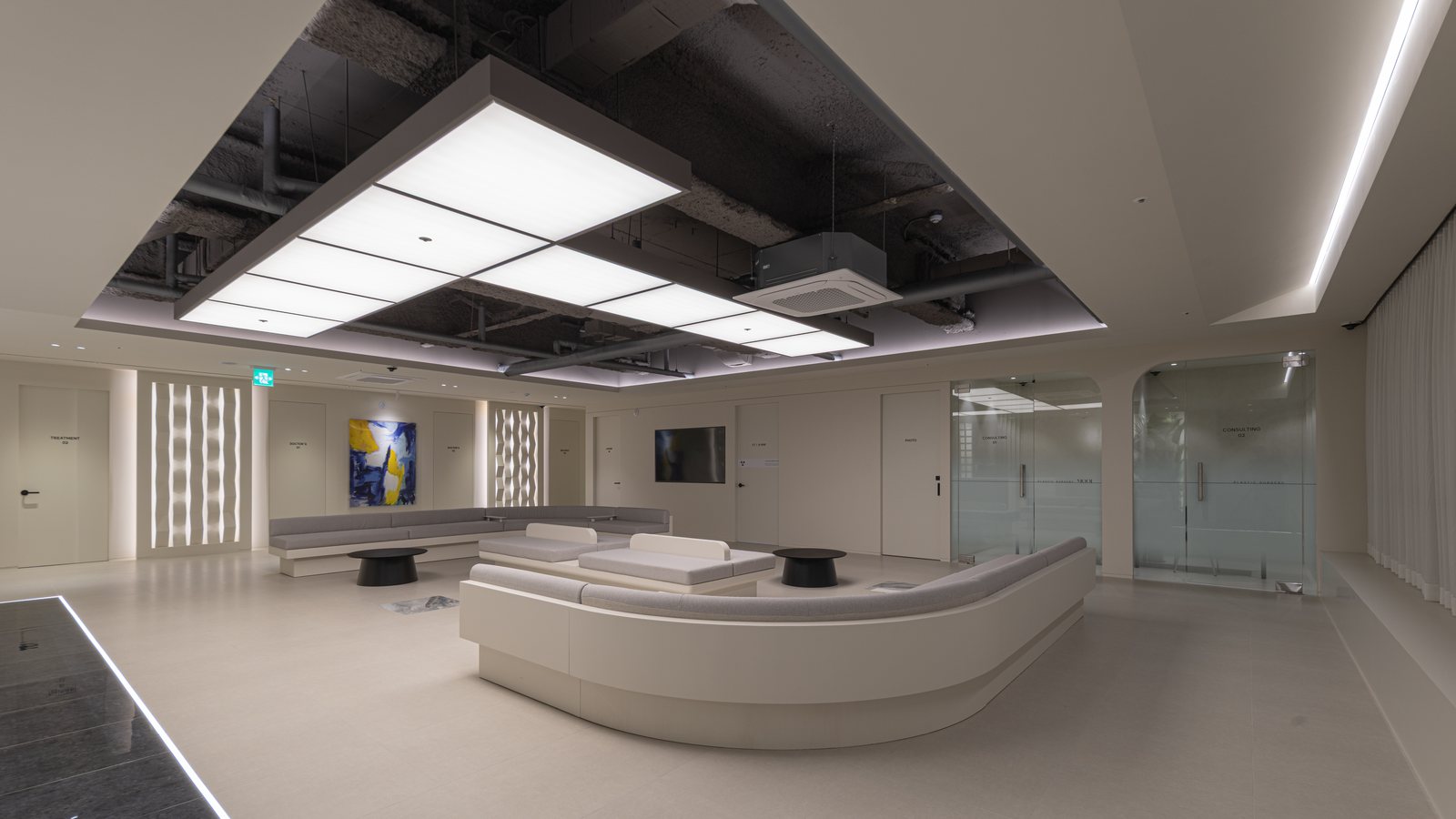
Double Eyelid Surgery
Double eyelid surgery creates a natural, defined upper-eyelid fold — by incisional or non-incisional method — making the eyes look brighter and more open.
A double fold makes eyes appear larger and more defined. The fold can be created with a non-incisional (suture) method for thin lids and quick recovery, or an incisional method for thicker lids and a permanent, precise result. The height and shape are designed to suit your eye and face.
Ideal for
- Little to no double eyelid fold
- Uneven double eyelid folds
- Brighter, more open-looking eyes
- Both thin and thick eyelids
- First-time eyelid surgery patients
Benefits
- Creates a defined double eyelid crease
- Improves eyelid symmetry
- Refines crease height and shape
- Enhances natural eye definition
- Helps achieve a fresher, more youthful look
Approaches we offer
The most suitable approach depends on your facial anatomy and aesthetic goals. During your consultation, your surgeon will recommend the best option for you.
- Non-Incisional (Suture) — Sutures create the fold with minimal swelling and fast recovery — ideal for thin lids.
- Incisional — A precise incision creates a permanent, defined fold — suited to thicker lids or excess skin.
- Partial Incision — A middle-ground method balancing recovery and durability.
- With Epicanthoplasty — Combined with inner-corner work to lengthen the eye where wanted.
How your case is handled
"Every result is designed, not duplicated. We plan around your face and structure — for a result that looks like you, only refined."
Guide pricing
Prices vary with the complexity of your case. Your exact quote is confirmed at consultation. Estimates include surgeon fees, anaesthesia and facility costs; travel and accommodation are separate.
Real results from our clinic
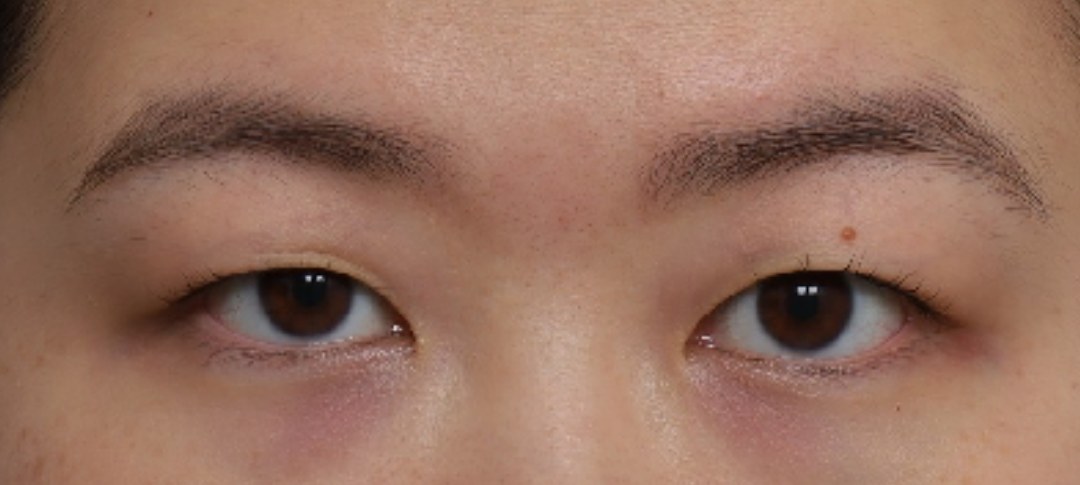
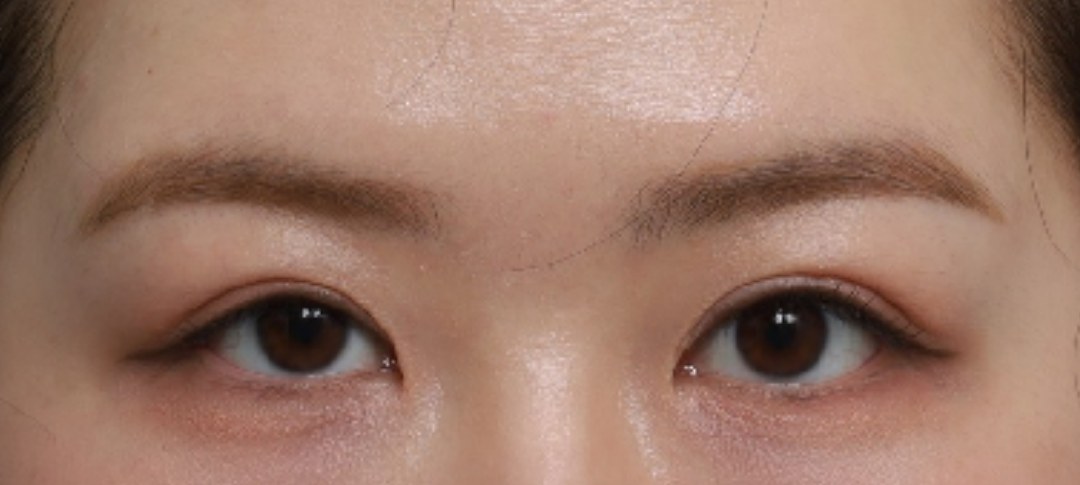
※ Published with patient consent. Individual results vary depending on anatomy and recovery. See more cases on WhatsApp.
Why Patients Choose Seoul
- Highly experienced surgeons who perform a large volume of procedures
- Specialized expertise in Asian facial anatomy and natural-looking results
- Advanced surgical techniques and 3D imaging technology
- More affordable than the US, UK, and Australia
- Modern medical facilities with English-speaking medical teams