Plastic Surgery Korea: Costs, Clinics & Patient Guide

Plastic Surgery Korea: A Complete Guide to Costs, Clinics, and What to Expect

For international patients considering plastic surgery Korea has become one of the most sought-after destinations in the world — and for good reason. Seoul’s medical district, particularly the Gangnam area, is home to a remarkable concentration of board-certified plastic surgeons, state-of-the-art facilities, and clinics that have spent decades refining their approach to both surgical outcomes and patient experience. This guide is designed to give English-speaking patients a clear, honest understanding of what plastic surgery in Korea actually costs, what drives those costs, and how the entire process works from your first online consultation through to recovery and follow-up care.

Why Seoul Has Become the Global Standard for Korean Plastic Surgery

The reputation of Korean plastic surgery did not emerge overnight. South Korea invests heavily in its medical education system, and plastic surgery is among the most competitive specialties a physician can enter. Surgeons practising in Seoul’s leading clinics typically complete residencies and fellowships that exceed the training requirements of many Western countries, with a significant number having pursued additional sub-specialty training abroad in the United States, Europe, or Japan.

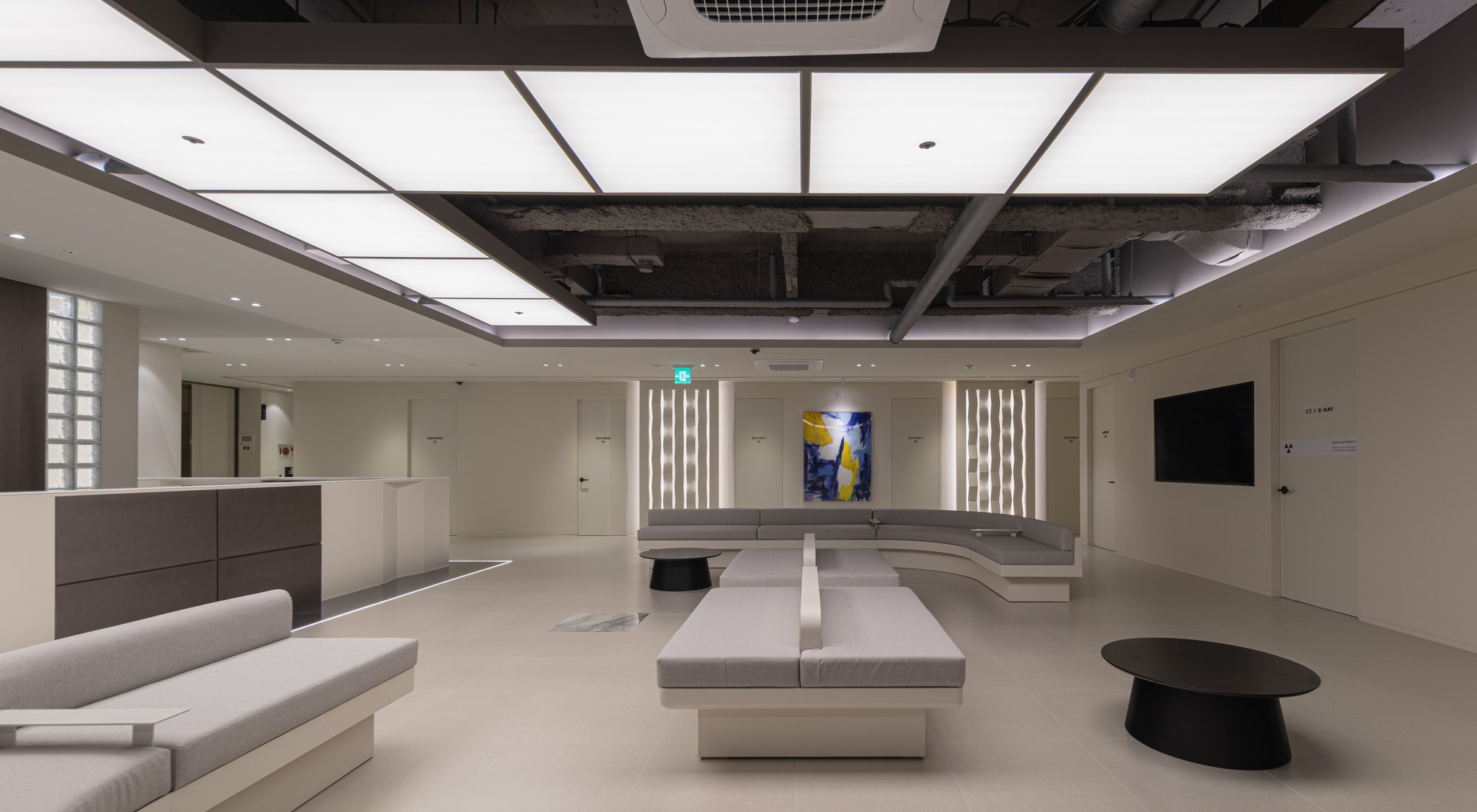
Beyond individual surgeon credentials, the clinical environment itself is a key factor. Many clinics in Seoul operate as dedicated, single-specialty facilities rather than general hospitals, which means the entire support infrastructure — nursing staff, anaesthesiologists, recovery suites, and aftercare teams — is built specifically around cosmetic and reconstructive procedures. This specialisation tends to produce consistent, refined results across a very high volume of cases, which is itself a driver of surgical skill. The best plastic surgery in South Korea is typically found in clinics that have maintained this focused model for ten years or more and have a verifiable track record with international patients.

Understanding Plastic Surgery Korea Costs: What You Are Actually Paying For

Pricing is almost always the first question international patients ask, and it is also the question that requires the most nuance. Plastic surgery Korea costs vary considerably depending on the procedure, the surgeon’s seniority, the clinic’s tier, the complexity of your individual anatomy, and what is bundled into the quoted price. A figure seen on a forum or aggregator website rarely reflects what you will pay once all variables are accounted for.

That said, there are consistent structural reasons why prices in Korea are lower than in the United States, Australia, or Western Europe for comparable quality. Lower commercial real estate costs relative to medical output, a highly efficient operating theatre model, and a competitive market with a large number of qualified providers all contribute to pricing that many international patients find significantly more accessible. The value proposition is not discount surgery — it is excellent surgery at a price that reflects a different economic environment, not a reduction in standard of care.

When reviewing any quote from a plastic surgery clinic Korea, look carefully at what is included. A comprehensive package from a reputable clinic will typically cover:

  • Pre-operative consultation and medical assessments
  • Surgeon and anaesthesiologist fees
  • Operating theatre and facility costs
  • Immediate post-operative care and overnight stay where applicable
  • Compression garments or post-surgical supplies
  • A defined number of follow-up appointments during your stay
  • Translation and patient coordination services

What is often not included in a base quote: flights, accommodation, travel insurance, additional follow-up appointments beyond the standard package, revision consultations, and any medications you need to source locally. Understanding this distinction upfront prevents budget surprises and allows for accurate comparisons between clinics.

Which Procedures Are Most Commonly Performed at a Korean Plastic Surgery Clinic?

International patients arriving in Seoul pursue a broad range of procedures, though certain surgeries have become particularly associated with Korean expertise. Double eyelid surgery (Asian blepharoplasty) is one area where Korean surgeons have an unparalleled volume of experience, having refined techniques over decades. Rhinoplasty — including both augmentation and reduction rhinoplasty — is another specialty where Seoul clinics see very high international demand, partly because Korean surgical approaches to nasal anatomy have influenced global technique.

Beyond facial procedures, body contouring surgeries including liposuction, abdominoplasty (tummy tuck), and breast augmentation are performed at a high standard across many Korean plastic surgery clinics. Facial bone contouring procedures such as jaw reduction (V-line surgery) and cheekbone reduction are rarer in most Western markets but are commonly offered in Seoul, where surgeons have developed protocols that reduce recovery time and complication rates for these technically demanding operations.

It is worth noting that the best plastic surgery korea patients receive is almost always the result of a proper match between their goals, their anatomy, and a surgeon who is honest about what is and is not achievable. Reputable clinics will turn away patients whose expectations are unrealistic rather than risk a poor outcome.

How Remote and In-Person Consultations Work for International Patients

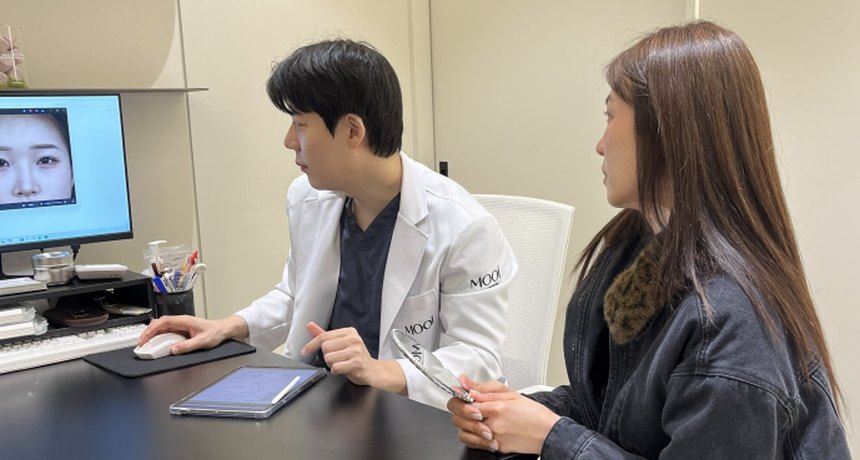
Most established clinics offering plastic surgery in Korea now have a well-developed remote consultation process. Patients typically begin by submitting a secure online enquiry form along with photographs taken from standardised angles — frontal, lateral, and three-quarter views depending on the target area. A patient coordinator (usually fluent in English) will review the submission, confirm whether a surgeon consultation is appropriate, and schedule a video call.

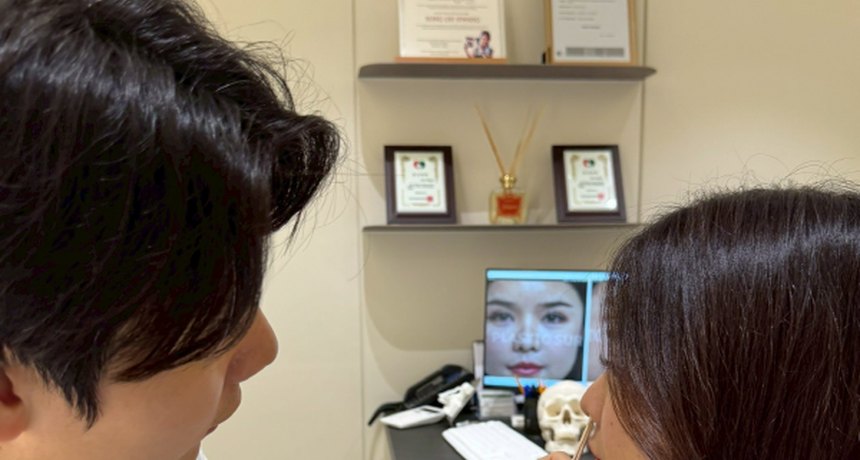
During the video consultation, the surgeon or a senior medical staff member will discuss your goals, review your photographs, explain the recommended approach, and provide a preliminary cost estimate. This call is also an opportunity to ask questions about the surgeon’s specific experience with your procedure, the clinic’s infection control protocols, and what the recovery timeline will look like. Good clinics encourage detailed questions at this stage.

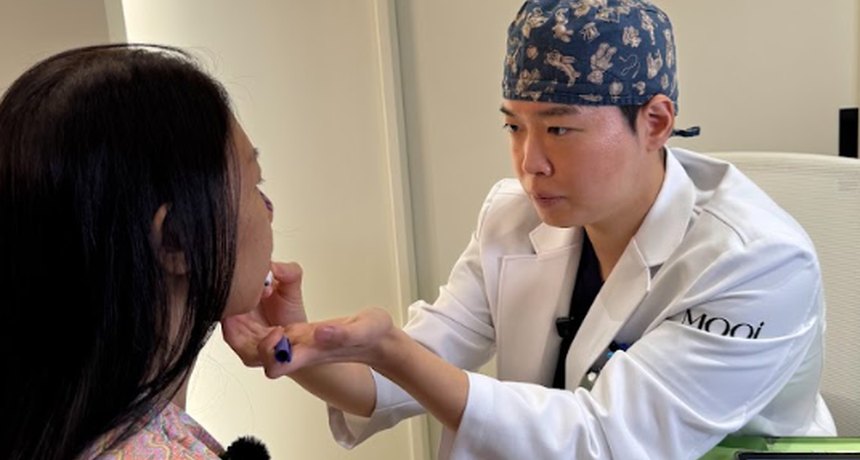
Once you arrive in Seoul, an in-person consultation takes place before surgery is confirmed. This is where physical examination occurs, final surgical planning is completed, and pre-operative bloodwork or imaging may be arranged. Reputable clinics build this in-person consultation into the process as a genuine decision point — not simply a formality before a pre-decided surgery date. English-language support is standard at international-facing clinics, either through dedicated medical interpreters or bilingual coordinators who accompany patients throughout their stay.

The Typical Patient Journey: From Booking to Recovery

Understanding the full timeline of plastic surgery in south korea helps patients plan their trip realistically. Most international patients follow a journey that looks broadly like this: initial remote consultation two to eight weeks before travel, flight and accommodation booking, arrival in Seoul with one to two days for acclimatisation and the in-person pre-operative consultation, surgery, an immediate recovery period of two to seven days at the clinic or a nearby recovery house, and then a follow-up appointment before departure.

The minimum recommended stay varies by procedure. Facial surgeries such as rhinoplasty or double eyelid surgery typically require a stay of seven to ten days. More complex surgeries involving general anaesthesia and larger incisions — body contouring, jaw contouring, or breast procedures — may require ten to fourteen days in-country to allow for adequate post-operative monitoring and suture removal before flying.

Many clinics that specialise in international patients have relationships with nearby recovery accommodations — sometimes called recovery houses or medical stays — where nursing check-ins, meal service, and concierge support are available. These are not hospital wards but structured environments designed for the specific needs of post-surgical patients who are far from home.

Making an Informed Decision: What to Ask Before You Commit

Choosing a destination for elective surgery requires careful due diligence, and plastic surgery korea options are numerous enough that the selection process itself deserves time and attention. When evaluating clinics, prioritise transparency about the operating surgeon — you should know exactly which surgeon will perform your procedure, their credentials, and their case volume for that specific operation. Be cautious of clinics that are evasive on this point.

Ask for before-and-after photographs of real patients who have undergone the same procedure, ideally with anatomy comparable to yours. Request a clear written breakdown of everything included in your quoted price. Confirm what the clinic’s protocol is in the event of a complication — a responsible clinic will have a defined pathway for managing adverse outcomes and will not leave international patients without recourse if something goes wrong after they return home.

Finally, remember that lower price alone is not a sufficient reason to choose a clinic. The goal is to identify a korean plastic surgery clinic where the combination of surgical expertise, transparent communication, comprehensive aftercare, and English-language support gives you the best possible foundation for a safe procedure and a result you will be satisfied with for years to come.

Leave a Comment