Why Nose Surgery in Korea Is a Global Standard for Excellence
Korea has long established itself as the world capital of aesthetic medicine, and nose surgery — medically known as rhinoplasty — stands at the very center of this reputation. Each year, an estimated 500,000+ cosmetic procedures are performed in South Korea, with rhinoplasty consistently ranking among the top three most-requested surgeries. International patients from the United States, Southeast Asia, the Middle East, and Europe now routinely travel to Seoul specifically for nose surgery Korea clinics offer at world-class standards.
But what exactly makes Korean rhinoplasty so special, and what should you know before booking your flight? This comprehensive guide covers everything: surgical techniques, pricing, clinic selection, recovery timelines, and the most frequently asked questions from international patients.
The Korean Approach to Rhinoplasty: Artistry Meets Precision
Korean plastic surgeons are renowned globally for combining surgical precision with an acute aesthetic sensibility. Unlike the more “dramatic” augmentations historically popular in Western markets, Korean rhinoplasty philosophy emphasizes natural-looking harmony between the nose and the patient’s existing facial features.
Key Techniques Used in Korean Nose Surgery
Top Korean surgeons typically employ a combination of advanced techniques tailored to each patient’s anatomy and desired outcome:
- Silicone or Gore-Tex implants for dorsal augmentation — commonly requested by Asian patients seeking a higher nasal bridge
- Autologous cartilage grafts (ear cartilage or rib cartilage) for tip refinement, offering natural results with reduced risk of rejection
- Osteotomy (bone restructuring) for patients seeking a narrower nose or correction of a dorsal hump
- Septal extension grafts to improve tip projection and rotation
- Revision rhinoplasty for patients who have had unsatisfactory results elsewhere — a growing specialty in Seoul’s Gangnam district
Dr. Lee Jun-ho, a board-certified plastic surgeon with over 18 years of experience in Seoul, notes: “Our goal is never to create the same nose on every patient. We study facial proportions, skin thickness, and ethnic background to create a result that looks like you were simply born with a better nose.”
Nose Surgery Korea: Cost Breakdown
One of the most compelling reasons international patients choose Korea for rhinoplasty is the exceptional value. High-quality surgery is available at a fraction of the cost charged in the United States, United Kingdom, or Australia — without any compromise in safety or outcomes.
Typical Price Ranges for Rhinoplasty in Korea (2026)
| Procedure Type | Cost (KRW) | Approximate USD |
|---|---|---|
| Simple Augmentation Rhinoplasty | ₩2,500,000 – ₩4,500,000 | $1,850 – $3,350 |
| Tip Plasty Only | ₩1,800,000 – ₩3,000,000 | $1,340 – $2,230 |
| Full Rhinoplasty (Bridge + Tip) | ₩4,500,000 – ₩8,000,000 | $3,350 – $5,950 |
| Revision Rhinoplasty | ₩6,000,000 – ₩15,000,000 | $4,460 – $11,150 |
| Rib Cartilage Rhinoplasty | ₩7,000,000 – ₩12,000,000 | $5,200 – $8,920 |
*Prices are indicative and vary based on surgeon experience, clinic tier, complexity, and anesthesia type. Always request a personalized quote after a consultation.
By comparison, a full rhinoplasty in the United States averages between $8,000 and $15,000 USD, making Korea’s pricing significantly more accessible — even when factoring in international travel and accommodation costs.
Choosing the Right Clinic for Nose Surgery in Korea
With hundreds of clinics operating in Seoul alone, selecting the right facility is paramount. The Gangnam district (specifically the area around Apgujeong and Sinsa stations) is widely considered the epicenter of aesthetic medicine in Korea and home to many of the country’s most experienced rhinoplasty specialists.
What to Look for in a Korean Rhinoplasty Clinic
- Board certification: Ensure your surgeon holds certification from the Korean Society of Plastic and Reconstructive Surgeons (KSPS) or the Korean Association of Aesthetic Plastic Surgeons (KAAPS)
- Rhinoplasty specialization: Prefer surgeons who dedicate at least 60–70% of their practice to nose procedures
- Before-and-after portfolio: Authentic patient photographs — particularly from patients with similar ethnic backgrounds to yours — are essential
- International patient services: Reputable clinics offer medical interpreter services, visa invitation letters, and post-operative follow-up coordination for overseas patients
- Hospital accreditation: Look for clinics accredited by the Korean Institute for Healthcare Accreditation (KOIHA)
What to Expect: The Full Patient Journey
Before Surgery
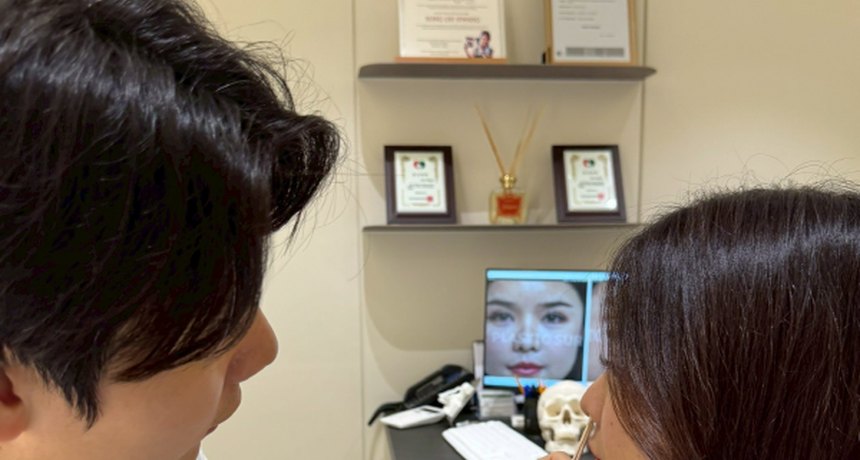
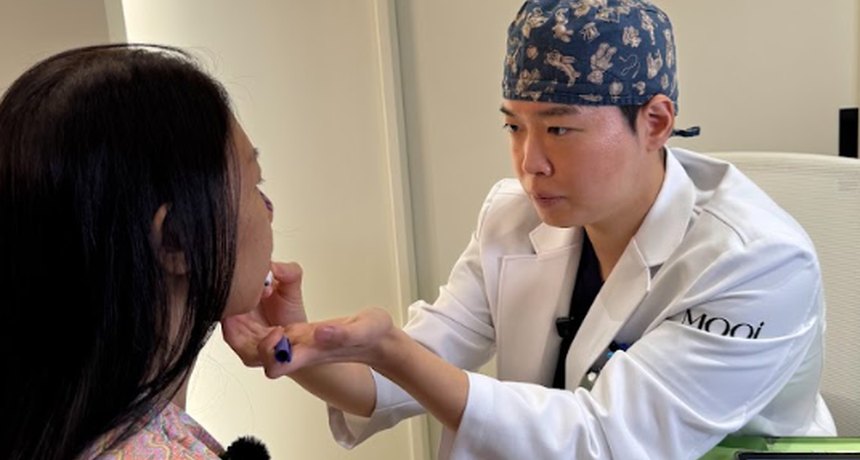
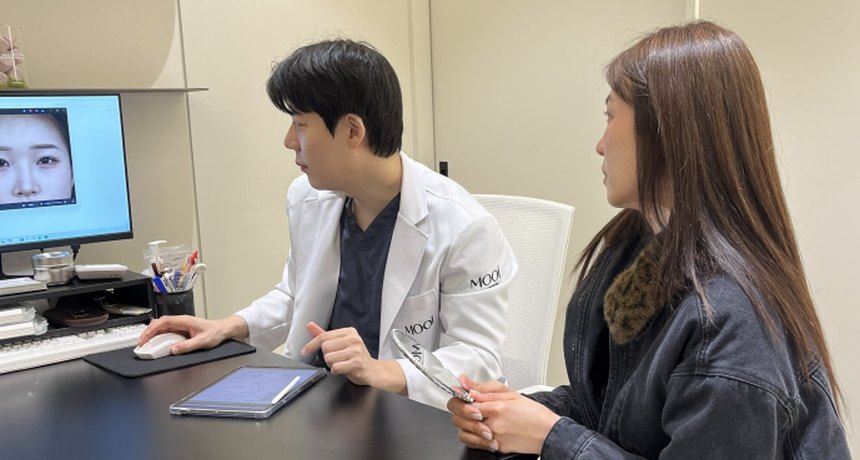
Most reputable clinics in Korea now offer online pre-consultation services, allowing international patients to share photographs and receive a preliminary assessment before traveling. Once you arrive in Seoul, a formal in-person consultation is conducted, typically 1–3 days before the procedure. Pre-operative blood tests and imaging may be required.
Surgery Day
Rhinoplasty in Korea is typically performed under general anesthesia or intravenous sedation and takes between 1.5 to 3 hours depending on complexity. Most clinics operate their own licensed surgical suites, and patients are usually discharged the same day or after one overnight observation.
Recovery Timeline
Understanding recovery is critical for planning your medical trip:
- Days 1–3: Swelling and bruising peak; nasal splint is worn
- Day 7–10: Splint and stitches removed; presentable for public in most cases
- Week 2–3: Most international patients can safely fly home
- Month 1–3: Majority of swelling resolves; shape becomes more apparent
- Month 6–12: Final results fully visible, especially for tip work
Plan to stay in Korea for a minimum of 10–14 days to ensure adequate post-operative monitoring before your return flight.
Safety and Regulations in Korean Aesthetic Medicine
Korea’s medical regulatory environment is among the strictest in Asia. The Ministry of Health and Welfare (보건복지부) oversees all licensed medical institutions, and the Korea Medical Tourism Corporation (KMTC) actively promotes transparent, safe medical tourism. According to the Korea Health Industry Development Institute (KHIDI), over 600,000 foreign patients visited Korea for medical purposes in 2024, with plastic surgery and dermatology representing the largest segments.
Frequently Asked Questions About Nose Surgery in Korea
FAQ 1: Am I a good candidate for nose surgery in Korea?
Most healthy adults over the age of 18 who are non-smokers with realistic expectations are considered good candidates. During your consultation, your surgeon will evaluate your skin thickness, cartilage strength, and overall facial harmony. Patients with certain bleeding disorders or autoimmune conditions may not be suitable candidates.
FAQ 2: How long do I need to stay in Korea after rhinoplasty?
We recommend a minimum stay of 10 to 14 days. Your splint will typically be removed on Day 7, and your surgeon will want to assess initial healing before clearing you for long-haul travel. Flying too early can increase swelling and risk of complications.
FAQ 3: Will I need a medical visa to get rhinoplasty in Korea?
Most nationalities can enter South Korea visa-free for stays up to 30–90 days under the Korea Electronic Travel Authorization (K-ETA) system or existing visa-waiver agreements. Your clinic can provide a medical invitation letter if required by your country’s immigration authority. Always check the latest visa requirements with the Korean embassy in your country.
FAQ 4: Is nose surgery in Korea safe for non-Asian patients?
Absolutely. While Korean surgeons have particular expertise in Asian rhinoplasty techniques, many leading surgeons in Seoul regularly operate on Caucasian, Middle Eastern, and African patients. The key is to select a surgeon with a demonstrated portfolio of work on patients who share your ethnic background and skin type.
FAQ 5: What if I need a revision after returning home?
Reputable Korean clinics typically provide telemedicine follow-up services for international patients post-surgery. In the rare case that a revision is needed, many clinics offer complimentary or discounted revision policies within a defined period — usually 6 to 12 months. Always clarify the clinic’s revision policy before signing your consent forms.
FAQ 6: How do I find a trustworthy clinic for nose surgery in Korea?
Research platforms such as RealSelf, the Korean Medical Tourism official portal, and verified patient review communities are valuable starting points. Avoid clinics that offer unusually low prices without transparent surgeon credentials, and always confirm that your operating surgeon — not a junior doctor — will personally perform your procedure.
Final Thoughts: Is Nose Surgery in Korea Right for You?
For patients seeking world-class surgical skill, natural-looking outcomes, and exceptional value, nose surgery Korea represents one of the smartest medical travel decisions you can make in 2026. With highly trained specialists, cutting-edge techniques, and a well-developed infrastructure for international patients, Seoul continues to set the global benchmark for rhinoplasty excellence. Take the time to research thoroughly, consult multiple clinics, and plan your trip carefully — your ideal nose may be closer than you think.