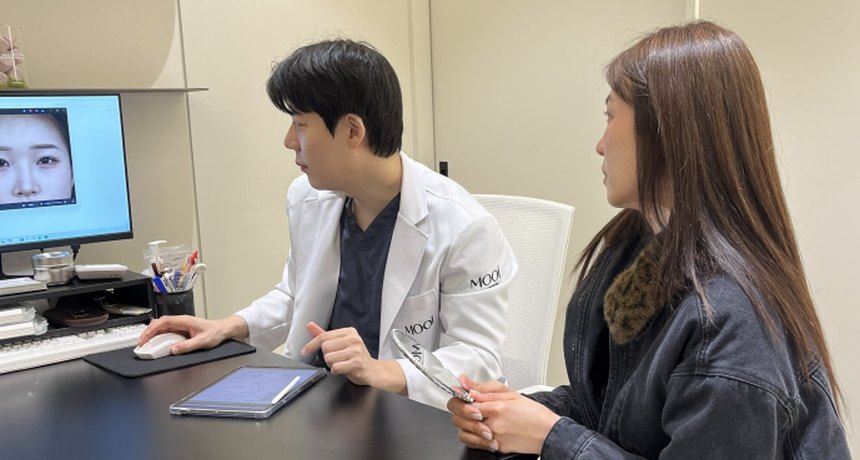
Why Korea Is the World Leader in Nose Surgery
Korea nose surgery has become a global benchmark for excellence in rhinoplasty. South Korea performs over 1 million cosmetic procedures annually, with rhinoplasty consistently ranking among the top three most requested surgeries. Seoul’s Gangnam district alone houses hundreds of board-certified plastic surgeons who specialize exclusively in nasal reshaping, attracting patients from the United States, Australia, Southeast Asia, the Middle East, and beyond.
The reasons are compelling: Korean surgeons have pioneered techniques tailored to a wide range of nasal structures, from East Asian noses requiring augmentation to Western noses needing reduction or refinement. This breadth of expertise, combined with cutting-edge facilities and significantly lower costs than in Western countries, makes Korea the destination of choice for discerning international patients.
Types of Nose Surgery Available in Korea
Augmentation Rhinoplasty
Augmentation rhinoplasty is the most frequently performed Korea nose surgery procedure. It raises the nasal bridge using silicone implants or Gore-Tex, and can also enhance the nasal tip using the patient’s own cartilage—typically harvested from the ear or rib. Korean surgeons are internationally recognized for creating natural-looking results that harmonize with the patient’s overall facial structure rather than imposing a generic appearance.
Reduction Rhinoplasty
Reduction rhinoplasty addresses wide or bulbous tips, large humps, or overly flared nostrils. Korean clinics have developed refined osteotomy techniques that minimize bruising and swelling, resulting in a faster recovery compared to older methods still used in many Western countries.
Revision Rhinoplasty
Many international patients travel to Korea specifically for revision rhinoplasty—correcting unsatisfactory results from previous surgeries performed elsewhere. Korean surgeons who specialize in revision cases are highly sought after because of their ability to work with compromised tissue and scar formation while still achieving aesthetically pleasing outcomes.
Deviated Septum Correction with Aesthetic Rhinoplasty
A significant number of patients combine functional correction (septoplasty) with aesthetic improvements in a single procedure. Korean hospitals are equipped with ENT specialists who collaborate with plastic surgeons to address both breathing function and appearance simultaneously, saving patients both time and money.
What Does Korea Nose Surgery Cost?
Cost is one of the most searched topics when patients research Korea nose surgery. While prices vary by clinic, surgeon experience, and procedure complexity, here is a realistic breakdown:
- Basic augmentation rhinoplasty: ₩2,500,000–₩4,500,000 (approximately USD $1,900–$3,400)
- Tip plasty only: ₩1,500,000–₩3,000,000 (approximately USD $1,100–$2,300)
- Full rhinoplasty (bridge + tip + nostrils): ₩4,500,000–₩8,000,000 (approximately USD $3,400–$6,100)
- Revision rhinoplasty: ₩6,000,000–₩15,000,000 (approximately USD $4,600–$11,500)
These figures are 50–70% lower than equivalent procedures in the United States or United Kingdom, even after factoring in international airfare and hotel accommodation. Most reputable clinics include post-operative check-ups and basic medications in the quoted price, though patients should always confirm what is and is not included before committing.
How to Choose the Right Clinic for Korea Nose Surgery
Board Certification and Specialization
Always verify that your surgeon holds certification from the Korean Society of Plastic and Reconstructive Surgeons (KSPRS) or the Korean Society of Aesthetic Plastic Surgery (KSAPS). These bodies enforce rigorous training standards equivalent to or exceeding those required in most Western countries. A surgeon who focuses specifically on rhinoplasty—rather than performing all types of cosmetic surgery—will generally deliver superior nasal results.
Before-and-After Portfolios
Request an extensive portfolio of previous patients whose nasal structure is similar to yours. Reputable clinics maintain organized digital galleries and are willing to show you comparable cases during your consultation. Be cautious of clinics that only display highly edited photographs or refuse to show cases involving patients with a similar ethnic background.
Interpreter Services and International Patient Coordinators
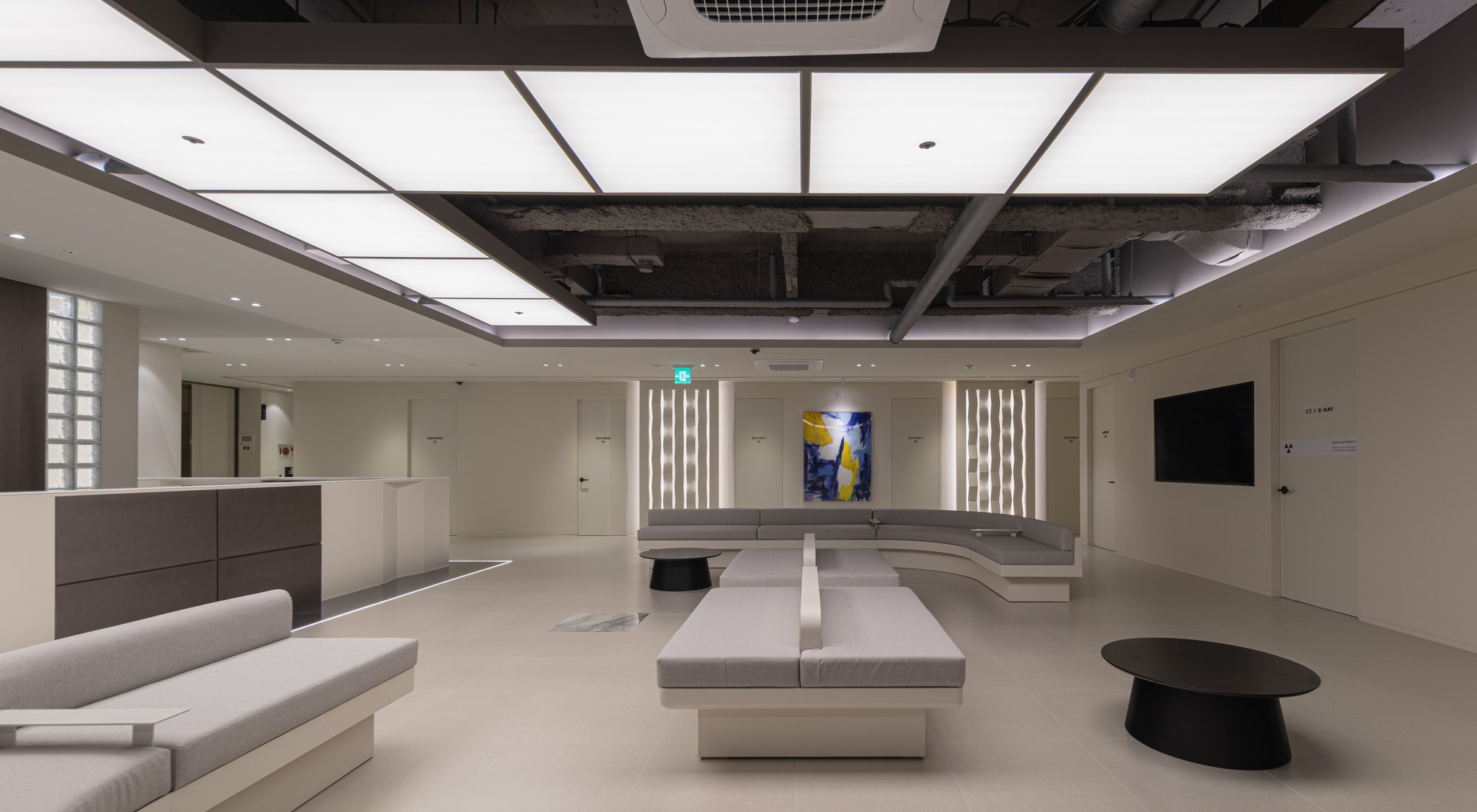
Leading clinics in Seoul assign a dedicated international patient coordinator who speaks your language fluently. This coordinator manages everything from your initial inquiry and medical translation to airport pickup, hotel recommendations, and post-operative follow-up—making your entire experience significantly smoother.
The Korea Nose Surgery Process Step by Step
Step 1: Virtual Consultation
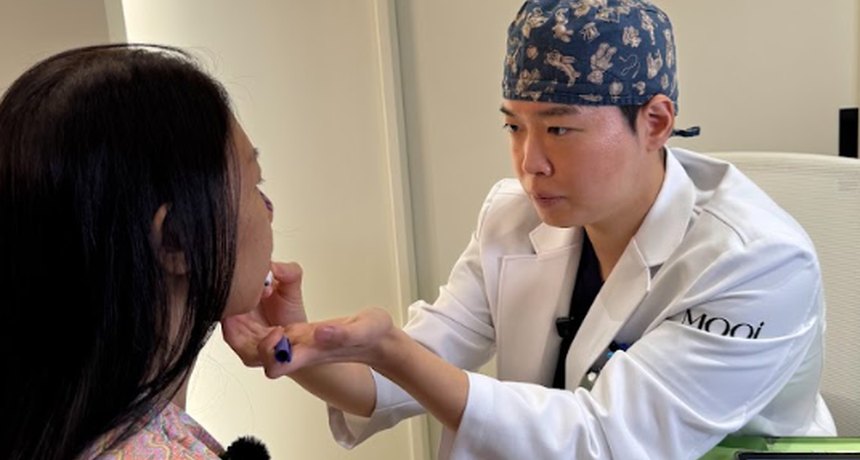
Most top clinics now offer detailed virtual consultations via video call before you book your flight. You can share photos, discuss your goals, and receive a preliminary treatment plan with a cost estimate. This step is invaluable for setting realistic expectations and comparing multiple clinics.
Step 2: Arrival and In-Person Consultation
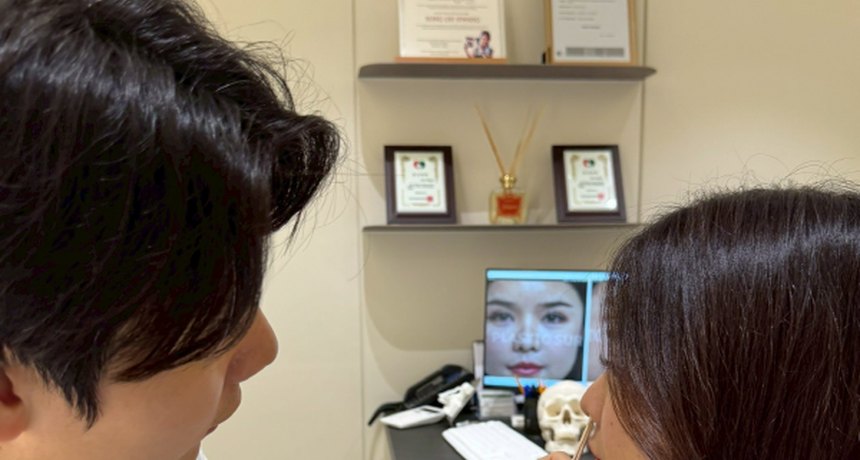
Plan to arrive in Seoul at least one to two days before your surgery. The in-person consultation includes a physical examination, medical imaging, and a final discussion of your surgical plan. Surgeons may use digital simulation software to show you projected outcomes—a practice that has become standard at premium clinics.
Step 3: Surgery Day
Korea nose surgery is typically performed under general anesthesia or deep sedation and takes between one and three hours depending on complexity. Most procedures are conducted in accredited outpatient surgical centers, and patients are discharged the same day after a few hours of monitored recovery.
Step 4: Recovery in Seoul
International patients are generally advised to remain in Seoul for 7–10 days post-surgery. During this period, follow-up appointments are scheduled every one to two days to monitor healing, remove nasal splints (usually around day seven), and manage any swelling or bruising. Swelling is normal and continues to resolve over several months, with final results typically visible after six to twelve months.
Safety Standards and Accreditation in Korean Clinics
South Korea’s medical tourism industry is regulated by the Korea Health Industry Development Institute (KHIDI), which certifies hospitals and clinics meeting international safety and hygiene standards. Many top rhinoplasty clinics in Seoul also hold Joint Commission International (JCI) accreditation—the same gold standard applied to leading hospitals worldwide. Patients should prioritize clinics that can demonstrate these credentials clearly.
Dr. Park Ji-won, a board-certified plastic surgeon with over 15 years of specialization in rhinoplasty, notes: “International patients often come to us after researching extensively. What surprises them most is not just the lower cost, but the level of individualized attention and the precision of techniques we apply. Korean rhinoplasty has evolved into a true specialty within plastic surgery.”
Tips for International Patients Planning Korea Nose Surgery
- Book consultations with at least two or three clinics to compare approaches and pricing.
- Avoid scheduling surgery immediately after long-haul flights—rest for at least 24 hours first.
- Bring all previous medical records, especially if you have had prior nasal surgery.
- Purchase comprehensive travel insurance that covers medical complications abroad.
- Arrange for a travel companion if possible; recovery is more comfortable with support.
- Download a translation app and save your clinic’s emergency contact number offline.
Related Articles
For more detailed information, explore our comprehensive resources below:
Frequently Asked Questions About Korea Nose Surgery
How long do I need to stay in Korea after nose surgery?
Most surgeons recommend staying in Seoul for a minimum of 7 to 10 days post-operatively. This allows for essential follow-up appointments, removal of splints and sutures, and early monitoring of healing. Flying home too soon increases the risk of complications from cabin pressure and limited access to your surgical team.
Is Korea nose surgery safe for foreign patients?
Yes, provided you choose a clinic with proper accreditations such as KSPRS-certified surgeons and ideally JCI-accredited facilities. South Korea has a mature and heavily regulated medical tourism sector. Complication rates at top rhinoplasty clinics are comparable to—and often lower than—those reported by major Western medical centers.
Will language be a barrier during my treatment?
Not at reputable international clinics. Most leading rhinoplasty centers in Seoul employ multilingual coordinators who communicate in English, Chinese, Arabic, and other major languages. All medical documents, consent forms, and aftercare instructions are provided in your preferred language.
Can I combine nose surgery with other procedures during the same trip?
Many international patients do combine rhinoplasty with procedures such as double eyelid surgery, chin augmentation, or skin treatments to maximize their trip. However, always discuss this with your surgeon first, as combining multiple procedures may increase anesthesia time and recovery complexity. Your surgeon will advise what combinations are safe and appropriate for your specific goals.
How much do I need to budget overall for a Korea nose surgery trip?
In addition to the surgical fee (₩2,500,000–₩15,000,000 / USD $1,900–$11,500 depending on procedure), budget for round-trip airfare, accommodation for 10–14 days, meals, local transportation, and any prescribed medications. A realistic total budget for most patients ranges from USD $4,500 to $15,000 depending on origin country, accommodation preferences, and procedure complexity—still considerably less than comparable treatment in most Western nations.