Nose Surgery Korea


South Korea has established itself as the global leader in rhinoplasty, performing more nose surgeries per capita than any other nation. Seoul’s Gangnam and Apgujeong districts house over 500 specialized clinics where surgeons combine advanced techniques with aesthetic precision tailored to both Asian and Western facial structures. International patients choose Korea for its surgeon expertise, competitive pricing, and proven safety standards overseen by the Ministry of Health and Welfare (MOHW). Learn about kbeauty clinic seoul.

This comprehensive guide covers everything international patients need to know about nose surgery in Korea, from procedure types and costs to surgeon selection and recovery protocols. Whether seeking structural correction or aesthetic enhancement, understanding Korea’s rhinoplasty landscape ensures informed decision-making for optimal results. See also: cost complete.

Why Korea Leads Global Rhinoplasty Standards

Korea performs approximately 980,000 cosmetic procedures annually, with rhinoplasty consistently ranking among the top three treatments. The Korean Association of Maxillofacial Plastic and Reconstructive Surgeons (KAMPS) and Korean Association of Medical Specialists (KAMS) maintain rigorous board certification requirements that exceed many Western standards. Surgeons typically complete 4-6 years of specialized training beyond medical school, focusing exclusively on facial plastic surgery. For more on this topic, see Seoul Dermatology Korea.

Korean rhinoplasty techniques have evolved to address both functional and aesthetic concerns across diverse ethnicities. PubMed-indexed research demonstrates Korean surgeons’ refinement of autologous cartilage grafting methods, which reduce implant rejection rates compared to synthetic materials. Studies show that preservation rhinoplasty techniques developed in Seoul minimize post-operative swelling and maintain natural dorsal support structures. Learn about

The competitive medical tourism market drives continuous innovation. Clinics invest heavily in 3D imaging technology, ultrasonic bone sculpting devices, and advanced sterilization protocols. MOHW regulations mandate that all medical tourism facilitators register officially and that clinics maintain comprehensive malpractice insurance, creating accountability structures often absent in other medical tourism destinations. For comparison, see

Gangnam’s “Beauty Belt” concentrates surgical expertise within a 2-kilometer radius, allowing patients to consult multiple board-certified surgeons in a single day. This geographic clustering fosters knowledge exchange among practitioners and enables specialization—some surgeons focus exclusively on revision rhinoplasty while others specialize in ethnic rhinoplasty for Western patients.

Types of Nose Surgery Procedures Available

Primary Rhinoplasty

Primary rhinoplasty addresses first-time patients seeking cosmetic or functional improvements. Korean surgeons employ both open and closed techniques depending on complexity. The closed approach involves incisions inside the nostrils, leaving no external scarring, and suits cases requiring minor dorsal augmentation or tip refinement. Open rhinoplasty provides complete structural visualization through a small columellar incision, necessary for complex reconstructions.

Augmentation rhinoplasty remains popular among Asian patients seeking higher nasal bridges. Korean surgeons prefer autologous materials—septal cartilage, ear cartilage, or costal cartilage—over silicone implants for long-term safety. Donor rib cartilage provides sufficient volume for significant bridge augmentation while minimizing rejection risks. Western patients typically request reduction rhinoplasty to refine bulbous tips, narrow wide bridges, or correct dorsal humps.

Revision Rhinoplasty

Revision procedures correct unsatisfactory results from previous surgeries, whether performed domestically or abroad. Korea’s revision specialists handle complex cases involving implant removal, scar tissue correction, and structural reconstruction. These procedures require advanced technical skill, as surgeons work with compromised tissue and altered anatomy.

Common revision requests include removing silicone implants causing inflammation, correcting over-resected cartilage leading to breathing difficulties, and addressing asymmetry from improper healing. Korean surgeons utilize advanced cartilage reconstruction techniques, often harvesting rib cartilage to rebuild nasal frameworks. Revision rhinoplasty typically costs 30-50% more than primary procedures due to increased surgical time and complexity.

Functional Rhinoplasty

Functional rhinoplasty corrects breathing obstructions while maintaining or improving aesthetic appearance. Septoplasty straightens deviated septums that block airflow, while turbinate reduction decreases enlarged nasal tissues causing chronic congestion. Korean surgeons frequently combine functional corrections with cosmetic enhancements in single procedures.

Insurance coverage varies—Korean national health insurance covers purely functional procedures for citizens, but international patients pay out-of-pocket regardless of medical necessity. Combining functional and cosmetic goals requires careful surgical planning to ensure structural integrity supports both breathing efficiency and aesthetic outcomes. Advanced imaging allows surgeons to model airflow patterns before and after proposed changes.

Ethnic Rhinoplasty

Ethnic rhinoplasty respects patients’ cultural features while achieving desired refinements. Korean surgeons treat diverse patient populations, understanding anatomical variations between Asian, Caucasian, Middle Eastern, and African features. Western patients typically seek subtle refinements maintaining ethnic identity rather than complete transformations. Read about BSD.

Techniques differ significantly across ethnicities. Asian rhinoplasty often involves augmentation with thicker skin considerations, while Caucasian rhinoplasty focuses on reduction with thinner skin requiring precise execution. Middle Eastern patients frequently request dorsal hump removal while preserving strong profile lines. Experienced surgeons customize approaches based on skin thickness, cartilage strength, and cultural aesthetic preferences.

Cost Analysis and Value Comparison

Korean rhinoplasty costs range from $3,000-$8,000 USD depending on procedure complexity, surgeon experience, and clinic location. Primary rhinoplasty averages $3,500-$5,000, while revision procedures cost $5,000-$8,000. These prices include surgeon fees, anesthesia, facility costs, and initial follow-up appointments but exclude accommodation and travel expenses.

Comparable procedures cost $8,000-$15,000 in the United States, $7,000-$12,000 in the United Kingdom, and $10,000-$18,000 in Australia. Even accounting for international flights ($800-$1,500), accommodation ($50-$150 daily), and two-week recovery stays, total costs remain 40-60% lower than domestic options. Singapore prices ($6,000-$10,000) exceed Korean rates while offering less specialized expertise.

Price variations within Korea reflect surgeon credentials and clinic positioning. Board-certified surgeons with 15+ years experience and published research charge premium rates ($6,000-$8,000), while equally qualified younger surgeons offer competitive pricing ($3,500-$5,000). Celebrity surgeons popular on social media command higher fees but don’t necessarily deliver superior results. Clinic location matters less than individual surgeon skill—Gangnam addresses don’t guarantee quality.

Hidden costs require consideration. Some clinics advertise low base prices then add fees for anesthesia, pre-operative tests, post-operative medications, and compression garments. Reputable clinics provide itemized quotes covering all anticipated expenses. Translation services, airport transfers, and post-operative care packages may incur additional charges ($200-$500 total). Travel insurance covering medical complications abroad costs $100-$200 for two-week trips.

Selecting Your Surgeon and Clinic

Credential Verification

Board certification through KAMS represents the minimum qualification standard. Verify surgeons hold specific certifications in plastic surgery or otolaryngology rather than general surgery credentials. The Korean Society of Plastic and Reconstructive Surgeons (KSPRS) maintains member directories confirming credentials, though websites require Korean language navigation.

International patients should confirm surgeons’ hospital affiliations, as operating privileges at major hospitals indicate peer recognition and adherence to safety standards. University hospital positions or professorships demonstrate academic standing and continuous education commitments. Publication records in peer-reviewed journals signal research contributions and technical expertise, accessible through PubMed searches.

Experience metrics matter more than years in practice alone. Inquire about annual rhinoplasty volume—specialists performing 200+ procedures yearly maintain refined skills. Request before-after portfolios showing patients with similar ethnic backgrounds and aesthetic goals. Revision rhinoplasty experience becomes critical for secondary procedures, as only 30% of general rhinoplasty surgeons regularly handle complex revisions.

Consultation Process

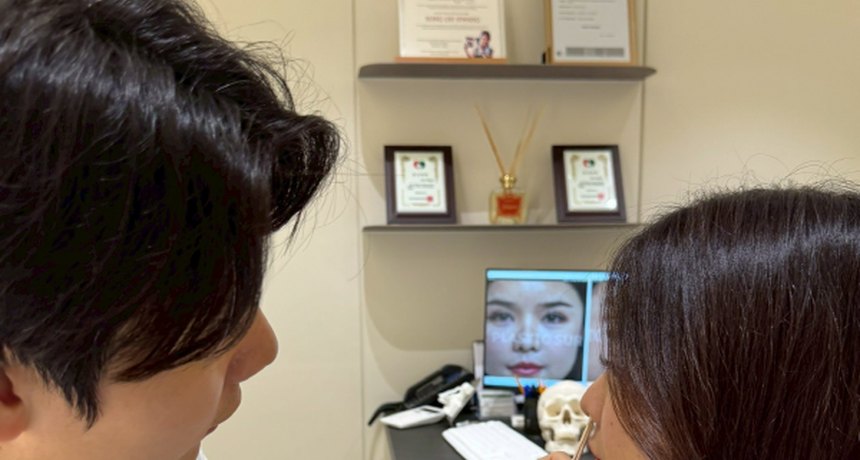
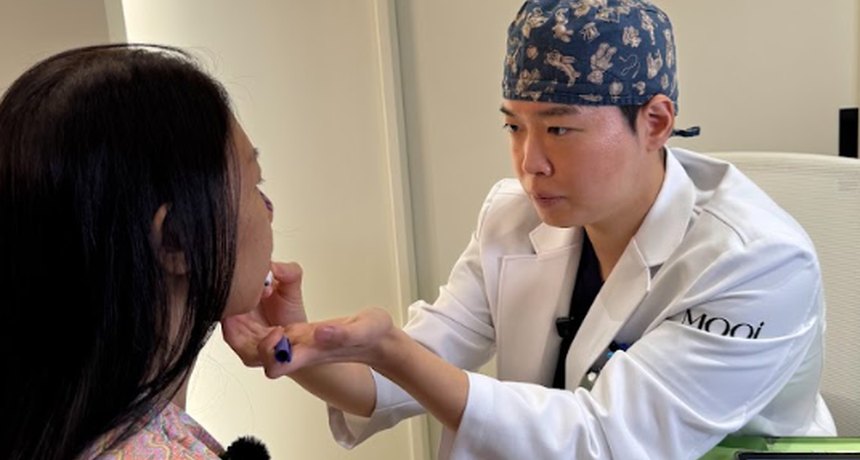
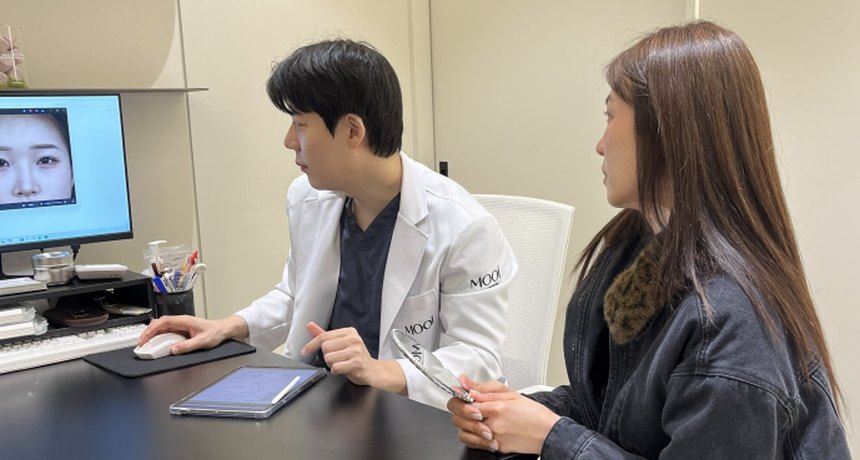
Quality consultations last 30-45 minutes minimum, allowing thorough facial analysis and expectation discussion. Surgeons should photograph your nose from multiple angles, perform internal examinations checking septal deviation and turbinate size, and utilize 3D imaging to demonstrate potential outcomes. Beware consultations under 15 minutes or surgeons delegating assessments to coordinators.

Effective communication requires professional medical translation, not just marketing coordinators speaking conversational English. Surgical details, risk discussions, and post-operative instructions demand precision translation. Reputable clinics employ certified medical interpreters or English-fluent surgeons with international training backgrounds.

Red flags include surgeons guaranteeing specific outcomes, dismissing revision possibilities, or pressuring immediate deposits. Ethical practitioners acknowledge rhinoplasty limitations, discuss realistic expectations, and encourage patients to consult multiple surgeons before deciding. Request detailed surgical plans specifying techniques, materials, anesthesia type, and contingency approaches for complications. Read about about dermatologist seoul.

Facility Accreditation

MOHW facility registration represents baseline legal compliance but doesn’t indicate quality standards. Seek clinics with Joint Commission International (JCI) accreditation or Korean Medical Quality Assurance (KMQA) certification, which audit surgical protocols, sterilization procedures, and emergency preparedness.

Tour facilities during consultations, observing operating room cleanliness, equipment modernity, and staff professionalism. Accredited clinics maintain dedicated surgical suites with laminar airflow systems, backup power generators, and emergency resuscitation equipment. Multi-specialty clinics sharing facilities with non-surgical services may present higher infection risks than dedicated surgical centers.

Verify anesthesiologist credentials separately from surgeon qualifications. Board-certified anesthesiologists should administer general anesthesia rather than nurse anesthetists or surgeons self-administering sedation. Confirm post-anesthesia care unit (PACU) availability with trained recovery nurses monitoring patients until full consciousness returns.

The Surgical Process and Recovery Timeline

Pre-Operative Preparation

Medical clearance requires blood tests, cardiac evaluation for patients over 40, and chest X-rays for general anesthesia cases. Most clinics perform these tests on-site 1-2 days before surgery at costs of $100-$200. Patients must discontinue blood-thinning medications, supplements, and smoking 2-3 weeks pre-operatively to minimize bleeding risks and optimize healing.

Pre-operative photography sessions document baseline appearance from standardized angles for post-operative comparison. Final surgical planning occurs 1-2 days before procedures, allowing adjustments based on patient questions or concerns. Patients receive detailed instruction sheets covering fasting requirements (typically 8 hours), arrival times, and prohibited items.

Surgery Day Protocol

Rhinoplasty procedures last 1.5-3 hours depending on complexity. Simple tip refinement or minor augmentation requires 1.5-2 hours, while comprehensive reconstruction with cartilage grafting extends to 2.5-3 hours. General anesthesia remains standard for safety and patient comfort, though some minor procedures utilize local anesthesia with sedation.

Modern Korean techniques emphasize tissue preservation and minimal trauma. Surgeons use piezoelectric devices delivering ultrasonic vibrations that cut bone precisely without damaging surrounding soft tissues, reducing bruising and swelling. Advanced hemostatic agents minimize bleeding, and meticulous closure techniques promote clean scarring. Most clinics apply internal splints supporting new structures and external casts protecting surgical sites.

Patients recover in monitored units for 2-4 hours post-operatively before discharge with companions. Same-day discharge represents standard protocol for uncomplicated cases. Surgeons prescribe antibiotics preventing infection, pain medications managing discomfort, and anti-inflammatory drugs reducing swelling. Most patients rate post-operative pain as 3-4/10, well-controlled with prescribed medications.

Recovery Milestones

The immediate 48 hours involve the most swelling and bruising. Patients should maintain head elevation, apply cold compresses around (not directly on) surgical sites, and limit physical activity. Most clinics schedule next-day check-ups assessing initial healing and changing dressings. Significant bruising peaks at days 2-3 then gradually fades over 10-14 days.

External casts and splints remove at day 5-7, revealing new nasal shape despite residual swelling. Patients can return to light activities and non-strenuous work after cast removal, though many prefer waiting until bruising substantially fades. Internal splints, if used, remove at 3-7 days depending on technique. Most patients fly home 10-14 days post-operatively once major swelling subsides and surgeons confirm proper healing. Read about main resource.

Swelling follows a predictable timeline: 60-70% resolves within 3 weeks, 80-90% by 6 weeks, and final 10-20% gradually diminishes over 6-12 months. Tip swelling persists longest due to thicker skin and more manipulation. Final results become apparent at 12 months, though most aesthetic improvement shows by 3 months. Revision procedures require waiting 12-18 months for complete tissue maturation before assessing results.

Long-Term Care

Post-operative instructions include sleeping with head elevated for 2-3 weeks, avoiding glasses resting on nasal bridges for 6-8 weeks, and limiting strenuous exercise for 4-6 weeks. Sun protection becomes critical as healing skin shows increased UV sensitivity. Patients should avoid contact sports risking nasal trauma for 3-6 months.

Follow-up schedules typically include appointments at 1 week, 1 month, 3 months, 6 months, and 12 months. International patients complete initial follow-ups in Korea then submit photos for remote assessment. Some clinics offer complimentary revision procedures within 1-2 years if results don’t match surgical plans, though policies vary. Maintaining detailed photo records helps document healing progression and identify concerns requiring attention.

Risks, Complications, and Revision Rates

All surgical procedures carry inherent risks. General anesthesia complications occur in 0.01-0.05% of healthy patients, including allergic reactions, respiratory issues, or cardiac events. Clinic emergency protocols and board-certified anesthesiologists minimize these risks. Surgical site infections affect 1-2% of rhinoplasty patients despite prophylactic antibiotics, typically resolving with extended antibiotic courses.

Rhinoplasty-specific complications include bleeding (2-3% requiring intervention), septal perforation (0.5-1% in primary procedures, higher in revisions), and nasal valve collapse causing breathing difficulties (1-2%). Autologous cartilage grafts reduce but don’t eliminate rejection risks—absorption rates of 5-10% occur even with patient’s own tissue. Silicone implants carry higher long-term complication risks including migration, extrusion, and chronic inflammation affecting 10-15% of patients over 10 years.

Aesthetic dissatisfaction represents the most common “complication,” with patient satisfaction rates of 85-90% for primary rhinoplasty and 70-80% for revisions. Asymmetry, over-correction, under-correction, or results not matching expectations drive revision requests. Communication barriers and cultural aesthetic differences increase dissatisfaction risks for international patients, emphasizing the importance of thorough pre-operative planning.

Korean rhinoplasty revision rates (8-15%) align with global averages. Experienced surgeons achieve lower revision rates (5-8%) than less experienced practitioners (15-20%). Minor revisions addressing small asymmetries or refinements differ from major revisions correcting significant structural problems. Many clinics distinguish between complimentary touch-ups for minor issues and paid revisions for patient-requested changes beyond original surgical plans.

Choosing experienced surgeons, following post-operative instructions meticulously, and maintaining realistic expectations minimize complication risks. International patients should secure comprehensive travel insurance covering medical emergencies and potential extended stays if complications require additional treatment. The Korean medical system provides excellent emergency care, with multiple world-class hospitals in Seoul managing surgical complications.

Practical Logistics for International Patients

Visa and Travel Requirements

Most Western passport holders receive 90-day visa-free entry to South Korea for tourism, including medical tourism. Patients requiring longer stays for complex procedures or complications can apply for medical visa extensions through clinics’ administrative support. Keep all medical documentation, appointment confirmations, and clinic contact information for immigration officers, though routine medical tourism rarely requires explanation.

Flight booking should allow flexibility for recovery variations. Book refundable or changeable tickets accommodating potential extended stays if healing progresses slower than expected. Most patients require 10-14 day stays for primary rhinoplasty, though complex revisions may need 14-21 days. Direct flights from Los Angeles, New York, London, Sydney, and Singapore to Seoul’s Incheon Airport take 11-18 hours depending on origin.

Accommodation and Transportation

Gangnam and Apgujeong neighborhoods offer proximity to major clinics with accommodation ranging from $40 budget guesthouses to $200+ luxury hotels daily. Mid-range hotels ($80-$120) provide comfortable recovery environments with English-speaking staff. Some clinics partner with nearby hotels offering medical tourism packages including airport transfers and post-operative meals.

Seoul’s efficient subway system connects all major areas, though post-operative patients should use taxis for comfort. Kakao Taxi app provides English-language taxi booking with automated translation. Most clinic coordinators arrange airport pickup services ($60-$100) and attend initial appointments ensuring smooth communication. Recovery accommodations should offer elevators, nearby pharmacies, and food delivery access.

Communication and Support

Language barriers represent significant concerns for international patients. Choose clinics with dedicated international patient departments employing fluent English speakers or professional medical translators. Kakao Talk messaging app enables easy communication with clinic coordinators before, during, and after visits. Download Papago or Google Translate apps for restaurant menus, pharmacy visits, and general navigation.

Many patients hire independent medical tourism facilitators ($500-$1,500) coordinating consultations, translations, and logistics. Thoroughly vet facilitators, as unregulated agencies may receive clinic commissions influencing recommendations. Reputable facilitators disclose any clinic relationships and offer multiple surgeon options.

Leave a Comment