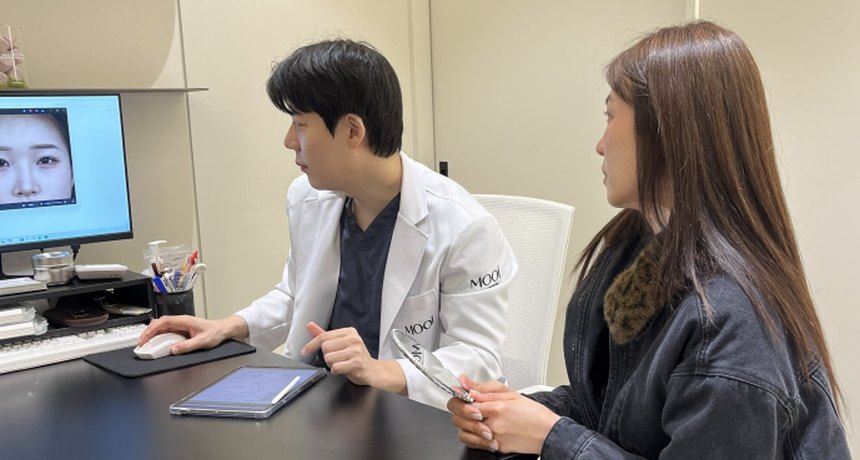
Best Nose Surgery Korea


South Korea performs over 900,000 cosmetic procedures annually, with rhinoplasty consistently ranking as one of the most requested surgeries among international patients. Korean nose surgery has gained global recognition for its natural-looking results, advanced techniques, and competitive pricing compared to Western countries. Surgeons in Seoul specialize in Asian rhinoplasty techniques while also excelling in procedures for diverse facial structures, making Korea an ideal destination for patients seeking expert nose reshaping. Discover /p>dermatology clinic seoul.

This guide covers everything international patients need to know about choosing the best nose surgery options in Korea, including procedure types, selecting qualified surgeons, expected costs, and recovery timelines. For more on this topic, see /p>gangnam skin clinic.

Why Korea Leads in Rhinoplasty Excellence

Korean plastic surgeons have developed specialized expertise in rhinoplasty through high procedure volumes and continuous innovation. The concentration of experienced surgeons in Seoul’s Gangnam and Apgujeong districts creates a competitive environment that drives quality improvements and technical advancement. For more on this topic, see /p>this Gangnam clinic.

The Korean Ministry of Health and Welfare (MOHW) maintains strict oversight of medical facilities, ensuring clinics meet rigorous safety standards. Board-certified surgeons typically hold credentials from the Korean Association of Plastic Surgeons (KAPS) or Korean Association of Maxillofacial Plastic and Reconstructive Surgeons (KAMPS), demonstrating advanced training and ethical practice standards. See also: /p>

Research published in PubMed demonstrates that autologous cartilage grafting techniques commonly used in Korean rhinoplasty show lower complication rates compared to synthetic implants. Studies also confirm that preservation rhinoplasty approaches, which Korean surgeons frequently employ, result in more natural-looking outcomes with reduced postoperative swelling.

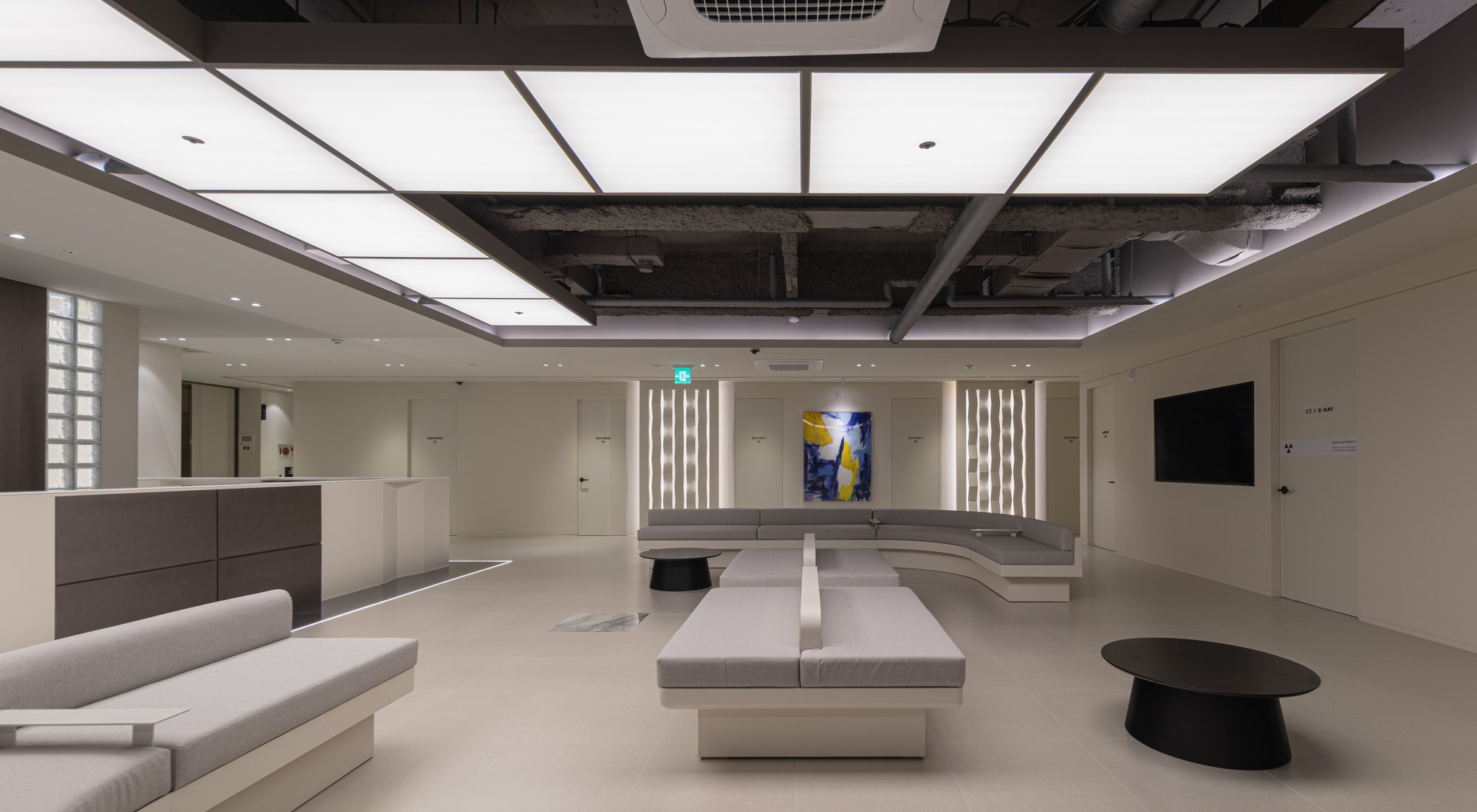
Korean clinics invest heavily in technology including 3D imaging systems, piezoelectric bone cutting devices, and advanced anesthesia monitoring. These tools enable precise surgical planning and execution, contributing to the high satisfaction rates reported by international patients.

Types of Nose Surgery Procedures Available

Korean surgeons offer comprehensive rhinoplasty options tailored to individual facial anatomy and aesthetic goals. Understanding these procedure types helps patients make informed decisions.

Bridge Augmentation

Many Asian patients seek nasal bridge enhancement to create better facial proportion. Surgeons use autologous materials such as septal cartilage, ear cartilage, or rib cartilage for natural, long-lasting results. Some cases may involve silicone or Gore-Tex implants, though cartilage remains the gold standard for biocompatibility. The procedure typically adds height and definition while maintaining ethnic characteristics.

Tip Refinement

Nasal tip surgery addresses bulbous, drooping, or undefined tip shapes. Korean surgeons excel at tip plasty techniques using cartilage grafts to create projection and definition. This procedure often combines septal extension grafts, shield grafts, or tip-binding sutures to achieve the desired shape. Results appear natural while significantly improving facial harmony.

Alar Base Reduction

Patients concerned about wide nostrils benefit from alar base reduction, which narrows the nostril width through precise incisions at the nostril base. This procedure requires careful measurement to maintain natural proportions and avoid over-reduction. Korean surgeons typically perform this as a complementary procedure alongside bridge or tip work for balanced results. Read about top skin clinic seoul.

Revision Rhinoplasty

Korea attracts numerous patients seeking correction of previous unsuccessful nose surgeries. Revision procedures address complications such as implant visibility, asymmetry, breathing difficulties, or unnatural appearance. These complex surgeries require surgeons with extensive experience in reconstructive techniques. Many Korean specialists focus exclusively on revision cases, developing particular expertise in correcting diverse problems.

Functional Rhinoplasty

Septoplasty and turbinate reduction address breathing difficulties while potentially improving nasal appearance. Korean surgeons commonly combine functional corrections with aesthetic improvements in a single procedure, maximizing value for international patients making the journey to Seoul.

Selecting the Right Surgeon and Clinic

Choosing a qualified surgeon is the most critical decision affecting rhinoplasty outcomes. International patients should prioritize specific credentials and experience markers. Read about top best dermatologist seoul.thermage clinic.

Verify board certification through the Korean Association of Plastic Surgeons or relevant specialty organizations. Surgeons should have completed plastic surgery residency training and maintain active medical licenses. Request information about their specific rhinoplasty experience, including approximate number of procedures performed annually.

Review before-and-after galleries focusing on patients with similar facial structures and aesthetic goals. Quality surgeons maintain extensive photo documentation showing consistent results. Pay attention to natural-looking outcomes rather than dramatic transformations, which often indicate surgical restraint and refined technique.

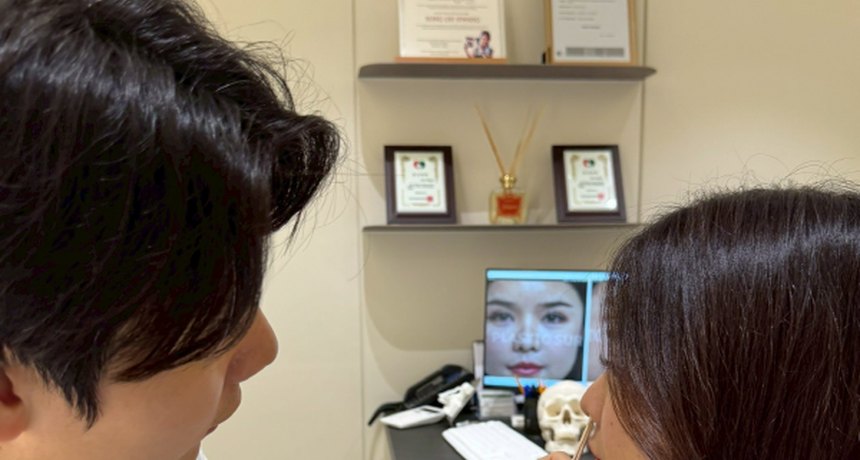
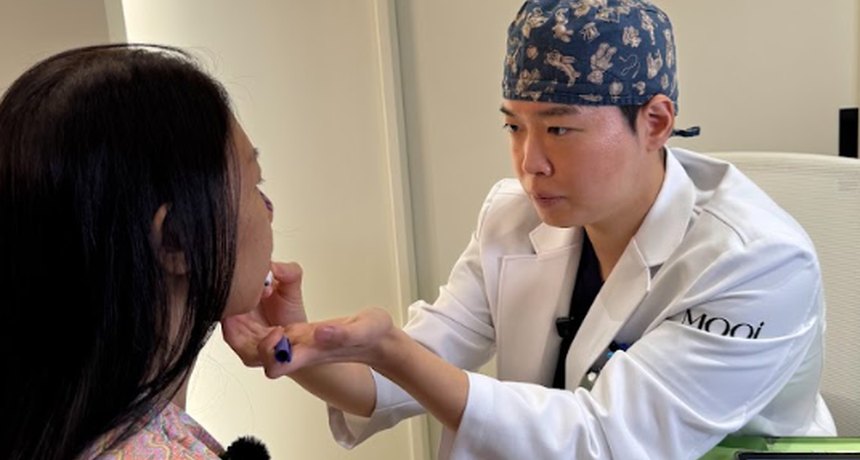
Schedule video consultations to assess communication quality and surgical philosophy. Top surgeons take time to understand patient goals, explain realistic outcomes, and discuss potential limitations. They should address questions about technique selection, material choices, and recovery expectations thoroughly.

Check clinic accreditation and facility standards. Reputable clinics hold certifications from the MOHW and maintain modern surgical suites with proper emergency equipment. International patient coordinators should provide transparent pricing, clear treatment plans, and comprehensive aftercare instructions.

The Gangnam and Apgujeong areas house numerous established rhinoplasty specialists, but geographical location matters less than surgeon qualifications. Some excellent surgeons practice in other Seoul districts or nearby cities like Bundang, often with lower overhead costs reflected in pricing.

Costs, Recovery Timeline, and Travel Planning

Understanding financial investment and recovery requirements enables proper planning for medical travel to Korea.

Procedure Costs

Primary rhinoplasty in Korea typically ranges from $3,000 to $8,000 USD, depending on technique complexity and surgeon experience. Bridge augmentation generally costs $3,500-$5,500, while comprehensive procedures combining bridge, tip, and alar work reach $6,000-$8,000. Revision rhinoplasty costs more, typically $7,000-$12,000, reflecting increased complexity.

These prices include surgeon fees, facility costs, anesthesia, and basic follow-up appointments. International patients should budget additionally for accommodation, flights, meals, and extended stay costs. Korea remains 40-60% less expensive than comparable procedures in the United States, United Kingdom, or Australia, even accounting for travel expenses.

Most clinics require 30-50% deposit upon booking, with remaining payment due before surgery. Payment methods typically include bank transfer, credit cards, or cash, though card payments may incur processing fees.

Recovery Timeline

Initial recovery requires 7-10 days in Korea for cast removal and early healing assessment. Most patients return home after this period, though staying two weeks allows for additional follow-up and peace of mind. Read about best dermatologist.

Splints and external casts remain in place for 5-7 days. Significant swelling and bruising peak at days 2-3, then gradually diminish. Most visible bruising resolves within 10-14 days. Internal swelling continues decreasing over 3-6 months, with final results apparent at 12 months.

Patients can resume non-strenuous activities after two weeks, return to work after 10-14 days (depending on job requirements), and restart exercise after 3-4 weeks. Contact sports should wait 6-8 weeks. Avoid glasses resting on the nose bridge for 6-8 weeks post-surgery.

Travel Logistics

Book consultations and surgery dates 4-8 weeks in advance, allowing time for medical history review and surgical planning. Arrive in Seoul 1-2 days before surgery for in-person consultation and pre-operative assessment.

Arrange accommodation near the clinic for convenience during recovery. Many Gangnam hotels and Airbnb properties cater specifically to medical tourists, offering quiet environments and proximity to clinics. Seoul’s excellent public transportation system makes navigating the city easy, even during recovery.

Plan flights allowing adequate recovery before long-haul travel. Most surgeons approve air travel 7-10 days post-surgery, though cabin pressure may cause temporary discomfort. Stay hydrated and avoid alcohol during flights to minimize swelling.

Frequently Asked Questions

Is Korean rhinoplasty only suitable for Asian patients?

Korean surgeons have extensive experience with diverse facial structures and regularly treat Caucasian, Middle Eastern, and patients of various ethnicities. Top surgeons customize techniques to individual anatomy regardless of ethnic background, applying their expertise in precision and natural-looking results to all patients. Read about complete seoul dermatology clinic guide.

What materials are safest for nasal implants?

Autologous cartilage from the septum, ear, or rib provides the safest, most biocompatible option with lowest rejection risk. Silicone and Gore-Tex implants are also used safely when properly sized and positioned, though cartilage remains the preferred choice for long-term outcomes.

How long should I stay in Korea after nose surgery?

Minimum stay is 7-10 days for cast removal and initial healing assessment. Staying two weeks allows additional follow-up and addresses any concerns before departure, though most complications can be managed remotely through photo consultations with international patient coordinators.

Can I combine nose surgery with other facial procedures?

Yes, rhinoplasty commonly combines with double eyelid surgery, facial contouring, or fat grafting in a single session. Combining procedures saves travel costs and recovery time, though total surgery duration and recovery intensity increase accordingly.

What happens if complications develop after returning home?

Reputable clinics provide ongoing support through email, messaging apps, and video consultations. Minor issues often resolve with conservative management and remote guidance. Serious complications requiring intervention are rare but may necessitate local treatment, with your Korean surgeon coordinating care with physicians in your home country.

Leave a Comment