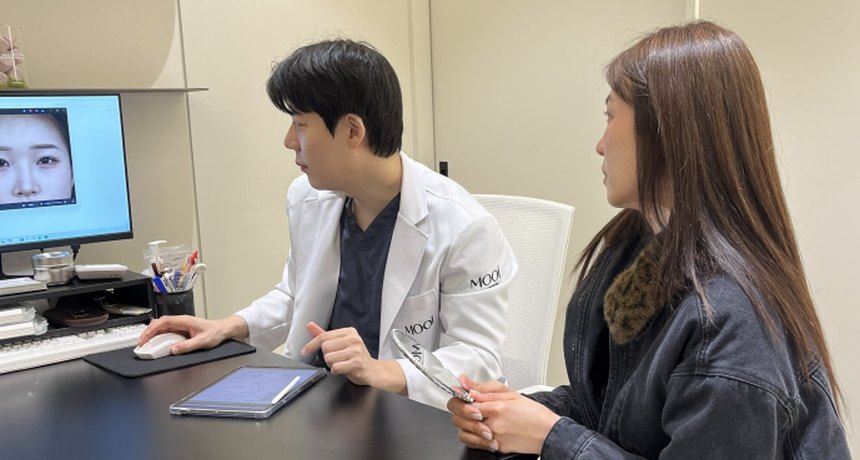
Seoul has emerged as a global leader in rhinoplasty, attracting thousands of international patients annually seeking advanced nose surgery techniques and competitive pricing. The city’s concentration of experienced surgeons, cutting-edge technology, and comprehensive medical tourism infrastructure makes it an optimal destination for those considering nasal reshaping procedures. Discover /p>kbeauty clinic seoul.
Korean rhinoplasty techniques have evolved to address diverse ethnic facial features while maintaining natural aesthetics, with surgeons performing an estimated 500,000+ procedures annually. This pillar guide provides essential information for international patients evaluating nose surgery options in Seoul, covering procedures, costs, surgeon selection, and recovery expectations. See also: /p>gangnam dermatology center.
Understanding Nose Surgery Types and Techniques in Seoul
Seoul’s plastic surgery clinics offer comprehensive rhinoplasty approaches tailored to individual anatomical needs and aesthetic goals. Understanding the specific procedures available helps patients make informed decisions aligned with their desired outcomes. Learn about /p>
Primary Rhinoplasty
Primary rhinoplasty addresses patients undergoing their first nose surgery. Korean surgeons commonly perform bridge augmentation using silicone implants, Gore-Tex, or autologous cartilage harvested from the septum, ear, or rib. Studies published in PubMed indicate that autologous cartilage demonstrates lower infection rates and superior long-term tissue integration compared to synthetic materials. The typical procedure involves dorsal augmentation combined with tip refinement to create balanced facial proportions. Related: /p>
Korean techniques emphasize natural-looking results rather than westernized features, respecting individual ethnic characteristics while enhancing facial harmony. Surgeons frequently combine osteotomy for nasal bone narrowing with cartilage grafting for tip projection, creating refined yet authentic outcomes.
Revision Rhinoplasty
Revision procedures correct unsatisfactory results from previous surgeries, addressing complications like implant visibility, asymmetry, breathing difficulties, or aesthetic dissatisfaction. Seoul surgeons have developed specialized expertise in complex revision cases, often utilizing rib cartilage grafts when septal or auricular cartilage has been depleted.
These procedures typically require greater technical skill and longer operative times than primary surgeries. Korean revision specialists employ advanced reconstruction techniques including structural grafting, scar tissue management, and vascular preservation to achieve optimal outcomes while minimizing further complications.
Functional Rhinoplasty
Functional rhinoplasty addresses breathing difficulties caused by deviated septum, turbinate hypertrophy, or valve collapse. Many Seoul surgeons combine functional improvements with aesthetic enhancements in single procedures, maximizing patient value and recovery efficiency.
Septoplasty and turbinate reduction are frequently performed alongside cosmetic modifications. PubMed research demonstrates that combined functional-aesthetic approaches yield high patient satisfaction rates when proper surgical planning addresses both airflow dynamics and external appearance.
Non-Surgical Nose Reshaping
For patients seeking minor corrections without surgery, Seoul clinics offer non-surgical rhinoplasty using hyaluronic acid fillers. These procedures temporarily augment the nasal bridge, smooth dorsal irregularities, or improve tip projection through strategic injection techniques.
Results typically last 12-18 months before requiring maintenance treatments. While non-surgical options provide immediate results with minimal downtime, they cannot reduce nasal size or correct structural issues, making them suitable only for specific enhancement goals.
Why International Patients Choose Seoul for Rhinoplasty
Seoul’s prominence in nose surgery stems from multiple factors that collectively create an advantageous environment for international patients seeking quality procedures at reasonable costs.
Advanced Surgical Expertise
Korean plastic surgeons undergo rigorous training including medical school, general surgery residency, and specialized plastic surgery fellowships. Board certification through the Korean Association of Plastic Surgeons (KAPS) requires extensive examination and ongoing education requirements. Many Seoul surgeons complete additional international fellowships and maintain active research profiles, contributing to medical literature and technique innovation.
High procedure volumes enable surgeons to develop exceptional technical proficiency. Rhinoplasty specialists in Gangnam and Apgujeong districts often perform 500-1000+ procedures annually, accumulating experience levels that surpass many international counterparts. This repetition refines surgical judgment and technical execution across diverse anatomical variations.
Cost Advantages
Rhinoplasty costs in Seoul typically range from $3,000-$8,000 USD depending on procedure complexity, surgeon experience, and facility standards. Comparable procedures in the United States average $15,000-$25,000, while UK and Australian prices range $10,000-$18,000. These substantial savings remain meaningful even after accounting for travel expenses. Patients often consider /p>
Cost efficiency doesn’t correlate with quality reduction. Seoul’s competitive market drives clinics to maintain high standards while optimizing operational efficiency. Government healthcare regulations enforced by the Ministry of Health and Welfare (MOHW) ensure facility safety standards and physician qualifications, providing baseline quality assurance.
Comprehensive Medical Tourism Infrastructure
Seoul’s medical tourism sector has matured significantly, with clinics offering English-speaking coordinators, airport pickup services, accommodation assistance, and post-operative care coordination. Many facilities maintain international patient departments specifically designed to address language barriers and cultural differences.
The city’s efficient public transportation, abundant accommodation options, and tourist-friendly environment facilitate comfortable recovery periods. Patients can access pharmacies, convenience stores, and restaurants within walking distance of most clinic locations, particularly in medical district concentrations like Gangnam.
Technology and Facility Standards
Seoul clinics invest heavily in advanced surgical technology including 3D imaging systems, ultrasonic bone cutting devices, and high-definition endoscopic equipment. These tools enable precise surgical execution and enhanced safety profiles compared to traditional methods. Read about SDK.
Accredited facilities meet MOHW standards for surgical centers, including proper ventilation systems, sterilization protocols, emergency equipment, and anesthesia safety measures. International patients should verify clinic accreditation status and facility inspections when evaluating options.
Selecting a Qualified Rhinoplasty Surgeon in Seoul
Surgeon selection represents the most critical decision affecting surgical outcomes and safety. International patients must navigate language barriers and unfamiliar credentialing systems while evaluating qualifications and experience.
Essential Qualifications and Certifications
Verify surgeons hold board certification from the Korean Association of Plastic Surgeons (KAPS), confirming completion of accredited plastic surgery training programs. This certification requires passing comprehensive examinations and maintaining continuing education requirements. Some surgeons also hold international certifications or fellowship training from recognized institutions abroad.
Check the surgeon’s medical license registration through the Ministry of Health and Welfare database. Licensed physicians must maintain good standing without disciplinary actions or malpractice findings. Request information about the surgeon’s training background, residency completion, and years in independent practice.
Evaluating Experience and Specialization
Prioritize surgeons specializing primarily in rhinoplasty rather than general plastic surgeons performing diverse procedures. Ask about annual rhinoplasty volume, revision surgery experience, and familiarity with international patient anatomical variations. Surgeons experienced with diverse ethnic features better understand appropriate aesthetic goals for non-Korean patients.
Review before-and-after photo portfolios focusing on cases similar to your anatomical characteristics and desired outcomes. Authentic results galleries demonstrate the surgeon’s aesthetic sensibility and technical capabilities across different nasal types. Be cautious of clinics showing only idealized or generic results.
Consultation Process and Communication
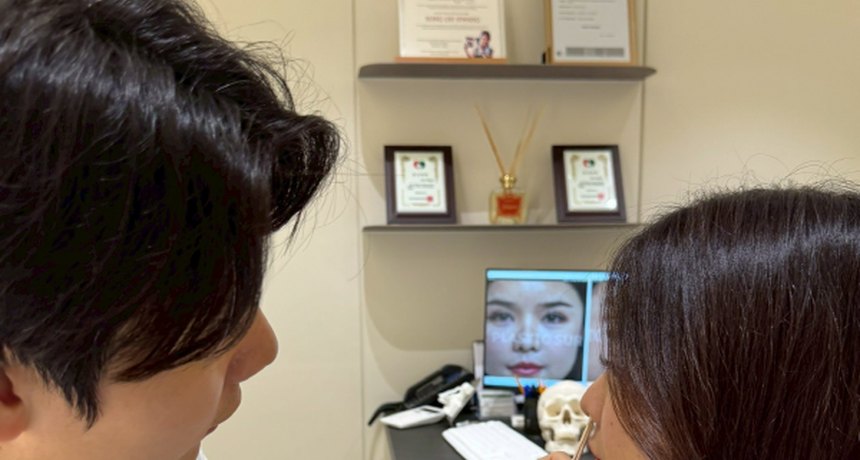
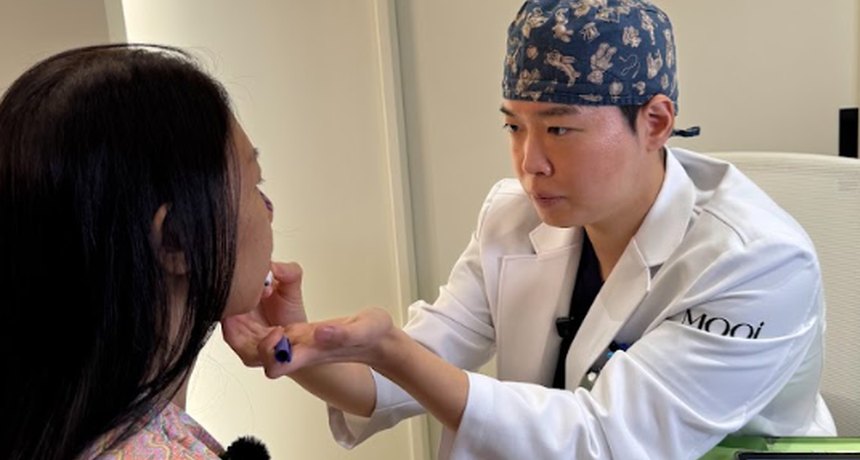
Schedule consultations with multiple surgeons before committing to specific providers. Quality consultations involve detailed facial analysis, discussion of realistic outcomes, surgical technique explanation, and risk disclosure. Surgeons should address your specific concerns and explain their recommended approach with clear rationale. Read about dermatologist seoul.
Assess communication quality with the surgical team. Effective coordinators facilitate accurate information exchange between patients and surgeons, ensuring proper understanding of expectations, limitations, and post-operative requirements. Misunderstandings due to language barriers can lead to unsatisfactory outcomes and complications.
Red Flags and Warning Signs
Avoid clinics making unrealistic promises, showing reluctance to discuss risks, or pressuring immediate decisions. Reputable surgeons acknowledge procedure limitations and honestly assess whether surgery will achieve desired results. Be wary of significantly below-market pricing, which may indicate inexperienced surgeons, inadequate facility standards, or hidden costs.
Research clinic reputations through independent review platforms rather than relying solely on testimonials featured on clinic websites. Verify the actual surgeon will perform your procedure rather than delegating to less experienced practitioners, a practice unfortunately occurring at some high-volume facilities.
The Nose Surgery Process: From Consultation to Recovery
Understanding the complete surgical journey helps international patients prepare appropriately and set realistic timeline expectations for their Seoul rhinoplasty experience.
Pre-Operative Preparation
Initial consultations typically occur 1-2 days before scheduled surgery, though some patients arrange virtual consultations beforehand. Surgeons perform facial analysis, discuss aesthetic goals, explain recommended techniques, and review medical history. Computer imaging may illustrate potential outcomes, though surgeons emphasize these represent approximations rather than guarantees.
Pre-operative instructions include discontinuing blood-thinning medications, avoiding alcohol and smoking, and fasting before anesthesia. Patients complete medical clearance testing including blood work and potentially cardiac evaluation depending on age and health status. International patients should arrange local accommodation for the immediate post-operative period, typically 7-10 days minimum.
Surgical Day Procedures
Rhinoplasty procedures typically last 2-4 hours depending on complexity, performed under general anesthesia in accredited surgical facilities. Surgeons employ open or closed approaches based on the required modifications. Open rhinoplasty involves a small columellar incision allowing direct cartilage visualization, while closed techniques use internal incisions with no external scarring.
Common surgical steps include osteotomy for nasal bone repositioning, cartilage grafting for structural support and shape refinement, and soft tissue modification for aesthetic contouring. Surgeons place internal splints to stabilize structures and external casts to protect healing bones. Most procedures conclude with patients recovering briefly in facility observation areas before discharge with accompanying caregivers.
Immediate Post-Operative Recovery (Days 1-7)
Initial recovery involves manageable discomfort controlled with prescribed pain medication. Expect significant swelling and bruising around the eyes and nose, peaking around days 2-3 before gradually subsiding. Cold compresses applied to surrounding areas help minimize swelling without direct ice contact on surgical sites.
Patients typically attend follow-up appointments on days 1-2 for wound checks and days 5-7 for cast and stitch removal. Sleep with elevated head positioning to reduce swelling and avoid accidental trauma. Limit physical activity, avoid nose-blowing, and follow specific cleaning instructions provided by surgical teams. Most international patients remain in Seoul for 7-10 days post-operatively to ensure proper initial healing and address any immediate concerns.
Extended Recovery and Final Results (Weeks to Months)
Residual swelling persists for months following surgery, though most visible swelling resolves within 3-4 weeks. Nasal tip swelling resolves most slowly, with final contour definition emerging 12-18 months post-operatively. Patients can typically resume work and non-strenuous activities after 10-14 days, with exercise restrictions lifting gradually over 4-6 weeks.
Scars from open rhinoplasty fade significantly over 6-12 months, typically becoming minimally visible. Follow post-operative care instructions regarding sun protection, massage techniques, and activity restrictions to optimize healing. Schedule virtual follow-up consultations with Seoul surgeons at 3, 6, and 12 months to monitor progress, though local physicians can address general concerns. Read about more info.
Managing Complications and Concerns
While serious complications remain rare with qualified surgeons, potential issues include infection, bleeding, asymmetry, breathing difficulties, or aesthetic dissatisfaction. Contact your surgical team immediately if experiencing excessive bleeding, severe pain, fever, or concerning visual changes. Most clinics provide 24/7 emergency contact numbers for post-operative concerns.
Minor asymmetries and contour irregularities may require revision procedures after complete healing at 12+ months. Reputable surgeons typically offer revision policies addressing surgical errors or complications, though patient-initiated design changes usually incur additional costs. Clarify revision policies and associated costs during initial consultations.
Practical Considerations for International Patients
Successful medical tourism requires careful planning beyond surgical aspects, addressing logistical details that ensure smooth experiences and optimal outcomes.
Recommended Seoul Duration
Plan minimum 10-14 day stays in Seoul for primary rhinoplasty, allowing consultation, surgery, initial recovery, and critical follow-up appointments. Revision procedures may require extended stays depending on complexity. Consider scheduling flexibility in case surgeons recommend delayed procedures based on consultation findings or if complications require extended monitoring.
Brief tourism activities can resume after cast removal around day 7, though strenuous activities and sun exposure should remain limited. Many patients schedule procedures during vacation periods, combining recovery time with cultural exploration once initial healing permits increased mobility.
Accommodation Options
Many clinics partner with nearby hotels or recovery houses offering discounted rates and specialized post-operative amenities. Recovery houses provide nursing support, meal services, and proximity to clinics for convenient follow-ups. Standard hotel accommodations work well for patients traveling with companions who can provide assistance during initial recovery days.
Gangnam and Apgujeong districts offer convenient access to multiple clinics, abundant restaurants, pharmacies, and entertainment options. Areas surrounding major subway stations provide excellent transportation connectivity for follow-up appointments and gradual exploration during recovery periods.
Communication and Language Support
Select clinics with dedicated international patient coordinators fluent in your language. Quality coordinators facilitate accurate communication with surgeons, explain pre and post-operative instructions clearly, and remain accessible for questions throughout your stay. Verify coordinator availability beyond business hours for urgent post-operative concerns.
Download translation apps and prepare written translations of medical terms relevant to your procedure and health history. Many Seoul pharmacies and convenience stores have staff with basic English proficiency, though medical-specific communication benefits from coordinator assistance.
Payment and Financial Planning
Most Seoul clinics require deposits upon booking and final payment before surgery, accepting cash, credit cards, or wire transfers. International credit cards may incur foreign transaction fees ranging 1-3%. Carry sufficient cash for incidental expenses like medications, meals, and transportation, as some smaller establishments remain cash-only operations.
Insurance typically doesn’t cover cosmetic procedures, though functional components addressing breathing issues may qualify for partial coverage depending on your policy. Request detailed invoices and operative reports for potential insurance submission or tax deduction purposes depending on your home country regulations.
Post-Return Care and Follow-Up
Establish relationships with local physicians who can monitor healing and address general concerns after returning home. Seoul surgeons typically provide detailed post-operative instructions and remain available for virtual consultations via email or video calls. Save all medical records, operative reports, and before-after photos for potential future revision needs or medical consultations.
Schedule recommended follow-up imaging at 6-12 months with local radiologists if requested by Seoul surgeons. Maintain relationships with surgical teams even after healing completion, as long-term monitoring helps identify potential late complications and establishes continuity for any future revision needs. Read about comprehensive guide.
Safety, Regulations, and Quality Assurance
Understanding Korea’s medical regulatory framework helps international patients verify quality standards and make informed safety decisions when selecting Seoul rhinoplasty providers.
Government Oversight and Regulations
The Ministry of Health and Welfare (MOHW) regulates all medical facilities and practitioners in Korea, enforcing facility standards, physician licensing, and patient safety protocols. Accredited plastic surgery clinics must meet specific requirements for surgical suites, sterilization systems, emergency equipment, and staff qualifications. Verify clinic accreditation status through MOHW databases or international patient coordinators.
The Korean Association of Medical Specialists (KAMS) oversees specialty certification including plastic surgery board certification. Only physicians completing approved training programs and passing rigorous examinations receive board certification, distinguishing qualified specialists from general practitioners offering cosmetic procedures without specialized training.
Understanding Korean Medical System Differences
Korean medical culture differs from Western healthcare systems in several aspects. Consultation times may be briefer, with less emphasis on extended discussion and more focus on surgeon expertise and decision-making. This doesn’t indicate lower quality but reflects different cultural approaches to physician-patient relationships.
Korean clinics often emphasize efficiency and high patient volumes, which enables competitive pricing but may feel impersonal compared to boutique Western practices. This volume-based model doesn’t necessarily compromise individual care quality when proper protocols are followed and adequate surgeon attention is allocated to each case.
Medical Malpractice and Patient Protections
Korea maintains medical malpractice laws protecting patients from negligent care, though legal processes differ from Western systems. Medical disputes typically involve mediation through Korean Medical Dispute Mediation and Arbitration Agency rather than direct lawsuits. International patients should understand that pursuing malpractice claims from abroad involves significant complexity and potential language barriers.
Purchase international medical travel insurance covering potential complications requiring additional treatment. While serious complications remain rare with qualified surgeons, insurance provides financial protection for unexpected medical needs during recovery. Standard travel insurance typically excludes planned medical procedures, requiring specialized medical tourism coverage.
Verifying Credentials and Avoiding Risks
Request verification of surgeon board certification, facility accreditation, and medical license status during consultations. Reputable providers willingly supply this information and understand international patients require credential verification. Be cautious of clinics refusing to provide documentation or claiming credentials are unavailable to international patients.
Research clinic reputations through multiple sources including independent review platforms, medical tourism agencies, and international patient forums. Single negative reviews don’t necessarily indicate poor quality, but patterns of similar complaints warrant serious consideration. Verify the actual operating surgeon matches the consulting physician, as some clinics employ bait-and-switch tactics with less experienced surgeons performing actual procedures.
Emergency Protocols and Contingency Planning
Understand emergency contact procedures with your surgical clinic and identify nearby emergency facilities capable of addressing post-operative complications. Major Seoul hospitals like Samsung Medical Center, Asan