Nose Surgery Gangnam


Gangnam has established itself as the global epicenter for rhinoplasty, with over 500 plastic surgery clinics concentrated in this Seoul district. International patients choose Gangnam for nose surgery due to specialized techniques developed specifically for Asian and Western facial structures, competitive pricing, and surgeons performing thousands of procedures annually. Related: /p>clinic seoul complete.

This guide provides essential information about nose surgery in Gangnam, including procedure types, surgeon selection criteria, costs, and what international patients need to know before traveling to Seoul for rhinoplasty. For more on this topic, see /p>Gangnam Dermatology.

Why Gangnam is the Premier Destination for Nose Surgery

Gangnam’s reputation for rhinoplasty excellence stems from concentrated expertise and competitive market forces. The district houses more plastic surgery clinics per square kilometer than anywhere globally, creating an environment where surgeons continuously refine techniques to maintain competitive advantage. For more on this topic, see /p>this Gangnam clinic.

Korean surgeons have pioneered specific rhinoplasty approaches for Asian nasal anatomy, including dorsal augmentation techniques and tip refinement methods that preserve natural breathing function. Research published in PubMed demonstrates that autologous cartilage grafting techniques developed in Korea show lower complication rates compared to synthetic implant-only approaches. Discover /p>

The concentration of clinics in Apgujeong and Cheongdam areas allows international patients to consult multiple board-certified surgeons within walking distance. All clinics serving foreign patients must register with the Ministry of Health and Welfare (MOHW), ensuring baseline safety and hygiene standards.

Gangnam surgeons typically complete 6+ years of plastic surgery residency and fellowship training, with many holding Korean Association of Maxillofacial Plastic and Reconstructive Surgeons (KAMPS) certifications. High patient volume—some surgeons perform 300+ rhinoplasties annually—translates to refined technical skills and experience managing diverse nasal structures.

Specialized Techniques for International Patients

Gangnam clinics differentiate between Asian rhinoplasty (augmentation-focused) and Western rhinoplasty (often reduction-focused). For Western patients, surgeons employ hump reduction, tip refinement, and narrowing techniques while maintaining ethnic facial harmony. For Asian patients, augmentation using autologous rib or ear cartilage combined with tip projection creates natural-looking results.

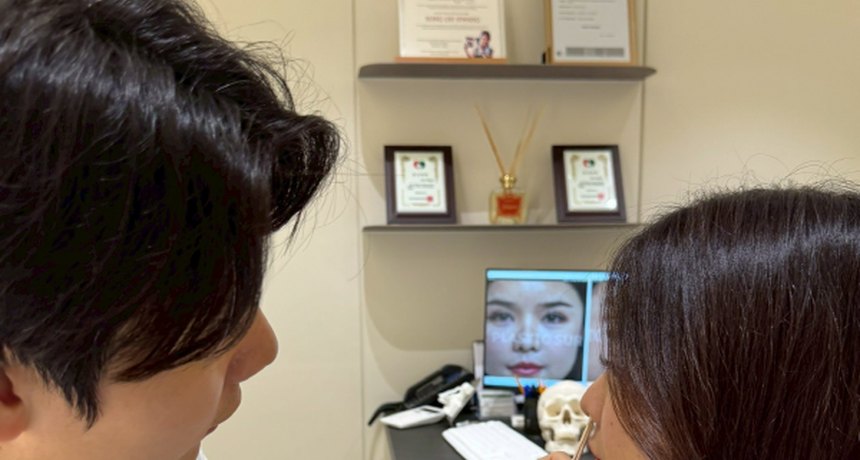
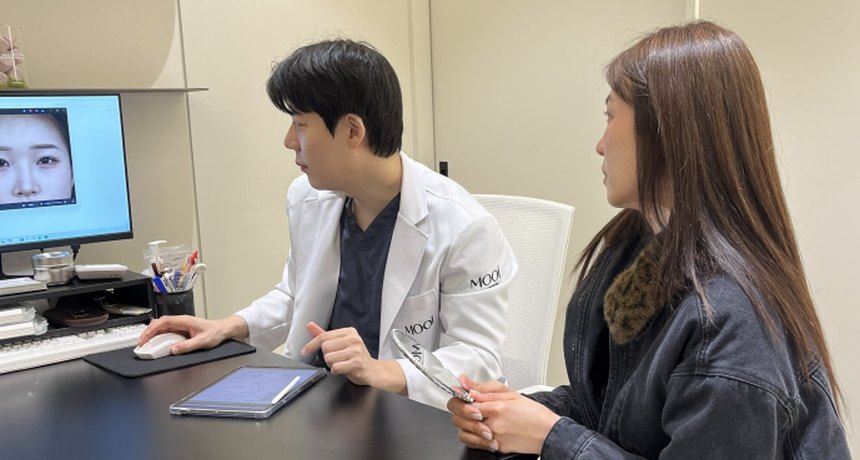
Advanced imaging technology, including 3D CT scanning and computer simulation software, allows patients to visualize potential outcomes during consultation. This technology-driven approach reduces miscommunication between international patients and surgeons regarding aesthetic goals.

Types of Nose Surgery Procedures Available in Gangnam

Gangnam clinics offer comprehensive rhinoplasty options tailored to specific patient needs and nasal anatomy.

Primary Rhinoplasty

Primary rhinoplasty refers to first-time nose surgery. Common procedures include dorsal augmentation (bridge enhancement), tip plasty (tip refinement), alar reduction (nostril narrowing), and hump removal. Surgeons use autologous materials—septal cartilage, ear cartilage, or rib cartilage—along with medical-grade silicone or Gore-Tex implants for dorsal augmentation. Read about top best dermatologist seoul.

The procedure typically requires 2-3 hours under general anesthesia. Surgeons access nasal structures through closed (internal incisions) or open approaches (small columellar incision), depending on complexity. Studies in plastic surgery journals indicate open rhinoplasty provides superior visualization for complex cases, though closed approaches reduce visible scarring. Read about best gangnam.

Revision Rhinoplasty

Revision rhinoplasty corrects unsatisfactory results from previous surgery. Gangnam has become a revision rhinoplasty hub, with specialized surgeons managing complications like implant displacement, capsular contracture, breathing obstruction, or aesthetic dissatisfaction. Revision procedures are technically challenging due to scar tissue and altered anatomy, requiring surgeons with extensive experience.

Many international patients seek revision surgery in Gangnam after unsuccessful procedures elsewhere. Revision rates in experienced hands remain below 5%, though patient satisfaction improvement rates exceed 85% according to clinic-reported data.

Functional Rhinoplasty

Functional rhinoplasty addresses breathing problems while improving aesthetics. Procedures include septoplasty (deviated septum correction), turbinate reduction, and valve reconstruction. Korean surgeons excel at combining functional corrections with aesthetic enhancements in single procedures, maximizing results while minimizing recovery time.

Non-Surgical Nose Enhancement

Non-surgical options using hyaluronic acid fillers or PDO threads provide temporary augmentation lasting 12-18 months. While not permanent, these procedures require minimal downtime and allow patients to “trial” changes before committing to surgery. Gangnam clinics offer non-surgical options at significantly lower costs than Western countries.

Selecting the Right Surgeon in Gangnam

Surgeon selection critically impacts outcomes. With hundreds of clinics, international patients need clear evaluation criteria.

Essential Qualifications to Verify

Confirm your surgeon holds Korean Medical License certification and completed accredited plastic surgery residency training. Board certification from the Korean Society of Plastic and Reconstructive Surgeons (KSPRS) or similar organizations indicates advanced training. MOHW registration for international patient services ensures legal compliance.

Request information about surgical volume—surgeons performing 200+ rhinoplasties annually typically demonstrate superior technical proficiency. Specialization matters; rhinoplasty-focused surgeons generally achieve better outcomes than general plastic surgeons.

Evaluating Before-and-After Portfolios

Review extensive before-and-after galleries showing patients with similar ethnicity and aesthetic goals. Quality clinics provide unedited photos from multiple angles, including profile and base views. Consistency across results indicates reliable surgical technique.

Be cautious of clinics showing only exceptional results or heavily edited images. Request patient testimonials from international patients, particularly those from your country who share similar expectations regarding natural versus dramatic results.

Communication and Consultation Process

Effective consultation requires clear communication. Top Gangnam clinics employ English-speaking coordinators and provide professional medical interpreters during surgeon consultations. Verify the surgeon—not just the coordinator—speaks sufficient English or that qualified interpretation is available.

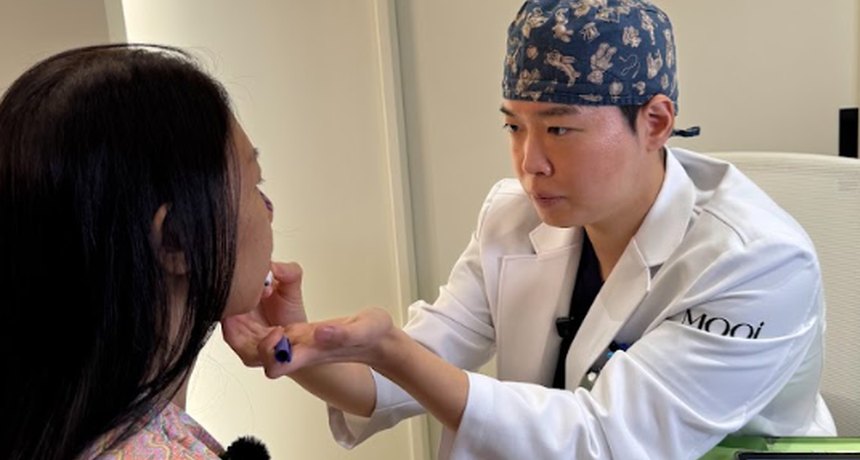
Quality consultations include facial analysis, computer simulation, detailed explanation of surgical approach, discussion of risks and limitations, and realistic outcome expectations. Surgeons should assess your nasal anatomy, skin thickness, and cartilage strength to recommend appropriate techniques.

Costs and Value Comparison for International Patients

Gangnam nose surgery costs range from $3,000 to $8,000 depending on procedure complexity, surgeon experience, and facility reputation. Primary rhinoplasty averages $4,500-$6,000, while revision rhinoplasty ranges $6,000-$8,000.

Comparable procedures cost $8,000-$15,000 in the United States, $7,000-$12,000 in Australia, and £6,000-£10,000 in the United Kingdom. Even accounting for travel expenses ($1,000-$2,000), international patients save 30-50% choosing Gangnam.

What’s Included in Quoted Prices

Standard packages typically include surgeon fees, anesthesia, facility fees, post-operative medications, and 2-3 follow-up appointments. Confirm whether CT scans, blood tests, compression garments, and airport pickup are included or additional costs.

Most clinics require 10-30% deposit upon booking, with balance due before surgery. Payment methods include wire transfer, credit card (sometimes with processing fees), or cash. International patients should obtain detailed invoices for insurance claims or tax purposes.

Hidden Costs to Consider

Budget for accommodation (7-10 nights, $50-$150 per night), meals, local transportation, and potential additional nights if complications arise. Some patients require minor revision or touch-up procedures (typically discounted or free within first year). Travel insurance with medical coverage for elective procedures provides financial protection. Read about best seoul skin clinic.

Recovery Timeline and Aftercare for International Patients

Understanding recovery helps international patients plan travel and time off work appropriately.

Immediate Post-Operative Period (Days 1-7)

Expect significant swelling, bruising, and nasal congestion immediately after surgery. External splints remain in place for 5-7 days. Pain is typically mild to moderate, managed with prescribed medications. Most patients stay in Seoul for 7-10 days post-surgery for splint removal and initial healing assessment.

Sleep with head elevated, avoid strenuous activity, and follow strict wound care instructions. Clinics provide 24-hour emergency contact numbers for post-operative concerns. Most patients feel comfortable flying home after splint removal, though swelling remains visible.

Ongoing Recovery (Weeks 2-12)

Bruising resolves within 10-14 days. Significant swelling decreases over 4-6 weeks, though subtle swelling persists for months. Most patients return to work after 10-14 days, resuming normal activities by week 4-6. Avoid impact sports, heavy lifting, and sun exposure during first 6 weeks.

Gangnam clinics typically schedule follow-up appointments at 1 week, 1 month, 3 months, and 6 months. International patients attend the first appointment in Seoul; remaining follow-ups occur via video call with photo submissions. Some patients schedule 3-6 month follow-ups during return trips to Korea. Read about korean clinic reviews guide.

Final Results and Long-Term Considerations

Final results become apparent at 12 months post-surgery when all swelling resolves and tissues settle. Silicone or Gore-Tex implants last indefinitely unless complications arise. Autologous cartilage grafts may experience minor resorption (5-10%) during the first year but remain stable thereafter. Many also explore /p>

Maintain results through sun protection, avoiding nasal trauma, and attending annual check-ups if possible. Quality clinics honor long-term

Leave a Comment