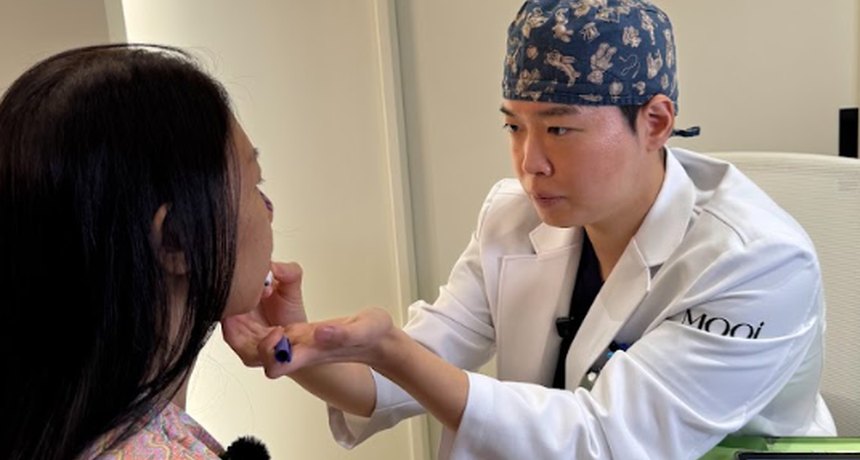
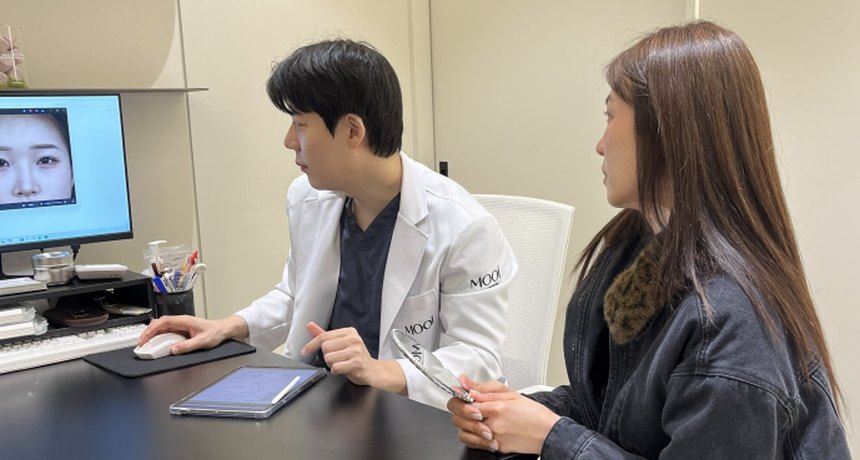
Nose surgery in Korea has become the gold standard for international patients seeking natural-looking rhinoplasty results at competitive prices. Korean surgeons perform over 40,000 rhinoplasty procedures annually, combining advanced techniques with cost savings of 30-60% compared to Western countries. This guide breaks down the actual costs, what’s included, and how to budget for your nose surgery in Seoul. For more on this topic, see /p>kbeauty clinic seoul.
Understanding the precise cost structure helps you make informed decisions about your rhinoplasty investment. Korean clinics offer transparent pricing with comprehensive packages that often include services charged separately elsewhere. Discover /p>gangnam dermatology center.
Nose Surgery Korea: Price Breakdown by Procedure Type
Rhinoplasty costs in Korea vary significantly based on the complexity of your procedure. Primary rhinoplasty typically ranges from $3,000-$6,000 USD, while revision rhinoplasty costs $5,000-$9,000 USD due to increased surgical complexity. See also: /p>SDK.
Primary Rhinoplasty Costs:
- Tip plasty (nasal tip refinement): $2,500-$4,000
- Bridge augmentation with implants: $3,000-$5,000
- Alar reduction (nostril narrowing): $2,000-$3,500
- Comprehensive rhinoplasty (multiple areas): $4,500-$6,500
- Septoplasty combined with cosmetic work: $4,000-$6,000
Advanced Procedures:
- Revision rhinoplasty: $5,000-$9,000
- Autologous rib cartilage rhinoplasty: $6,000-$10,000
- Ethnic rhinoplasty with preservation techniques: $4,500-$7,500
These prices typically include surgeon fees, anesthesia, facility costs, basic medications, and initial follow-up visits. Compare this to the United States where rhinoplasty averages $12,000-$18,000, the UK at £6,000-£9,000 ($7,500-$11,000), and Australia at AUD $15,000-$25,000 ($10,000-$16,500). Related: /p>
Board-certified surgeons accredited by the Korean Association of Plastic Surgeons (KAPS) and Korean Association for Maxillofacial Surgery (KAMS) perform these procedures in facilities meeting Ministry of Health and Welfare (MOHW) standards. Research published in PubMed indicates Korean rhinoplasty techniques emphasizing structural support show satisfaction rates exceeding 92% for Asian rhinoplasty patients.
What’s Included in Korean Nose Surgery Packages
Korean clinics structure pricing as comprehensive packages rather than itemized billing. Understanding inclusions prevents unexpected costs and enables accurate comparison between facilities.
Standard Package Inclusions:
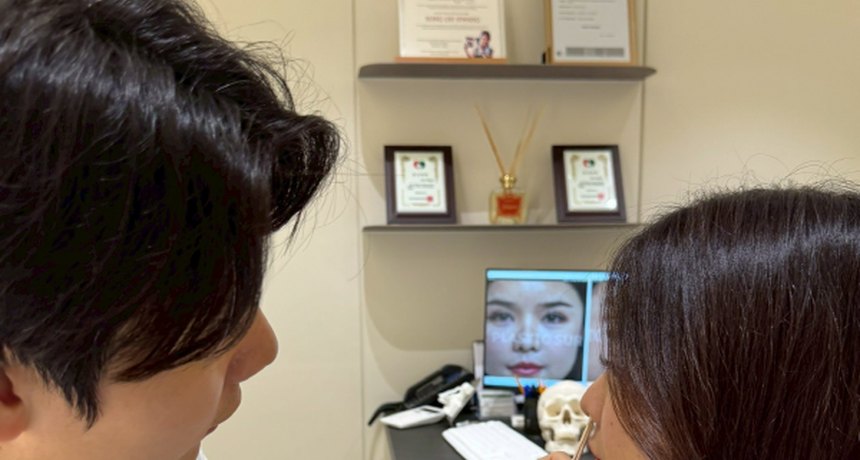
- Pre-operative consultation and 3D imaging simulation
- Surgeon professional fees and surgical assistant costs
- Anesthesiologist fees (general or twilight sedation)
- Operating room facility charges
- Surgical materials (implants, cartilage grafts, sutures)
- Post-operative medications (antibiotics, pain management)
- Compression garments and recovery supplies
- Follow-up appointments (typically 2-4 visits within first month)
Premium Package Add-ons:
- Private recovery room (first 4-6 hours post-surgery): $200-$400
- Extended aftercare visits beyond standard protocol: $100-$200 per visit
- Medical interpreter services: Often complimentary, otherwise $50-$100 per day
- Airport pickup and clinic transportation: $80-$150
Clinics in Gangnam and Apgujeong districts often include interpretation services as international patient volumes support dedicated staff. Request detailed package breakdowns during consultations to identify exactly what you’re paying for.
Premium implant materials like Gore-Tex or Medpor may add $500-$1,200 to base costs, while autologous cartilage harvesting (ear or rib) increases surgical time and complexity, reflecting in higher fees. Confirm whether CT scans ($150-$300) and pre-operative blood work ($80-$150) are included or billed separately. Read about seoul dermatology guide.
Hidden Costs and Budget Planning for Medical Tourism
The quoted surgery price represents only one component of your total medical tourism investment. Comprehensive budgeting accounts for travel, accommodation, and contingency funds.
Essential Additional Costs:
- Round-trip flights: $800-$2,000 (varies by origin city and season)
- Accommodation (10-14 days): $600-$1,400 for mid-range hotels
- Meals and daily expenses: $30-$60 per day ($420-$840 total)
- Local transportation: $100-$200
- Travel insurance with medical coverage: $150-$300
- Contingency fund for extended stay: $500-$1,000
Plan for a 10-14 day stay in Seoul. Initial recovery takes 7 days before splint removal, with at least one follow-up appointment recommended before international travel. Many patients schedule their return flight for day 12-14, allowing buffer time if swelling concerns require additional consultation.
Accommodation near Gangnam medical districts costs $50-$100 nightly for comfortable hotels with English-speaking staff. Recovery hotels specializing in post-surgical care run $80-$150 nightly with added amenities like elevation pillows and post-operative meal plans.
Potential Unexpected Costs:
- Revision or touch-up procedures: Often discounted 30-50% if performed by original surgeon
- Extended medication needs: $50-$150
- Additional compression garments: $30-$60
- Emergency medical consultation: $100-$300 per visit
Total realistic budget for nose surgery medical tourism to Korea: $6,500-$12,000 USD including all expenses. This remains substantially lower than comparable procedures in Western countries, even accounting for travel costs. Read about visit.
Choosing Value Without Compromising Safety
Lower costs don’t mean lower quality, but price shopping requires careful evaluation. Korean plastic surgery’s competitive pricing stems from high procedure volumes, efficient healthcare systems, and targeted medical tourism infrastructure rather than compromised standards.
Surgeon Credentials to Verify:
- Board certification by Korean Association of Plastic Surgeons or equivalent specialty board
- Active hospital privileges at accredited facilities
- Minimum 5 years post-residency experience in rhinoplasty
- Published before/after galleries with diverse cases
- Transparent revision policies and complication rates
MOHW registration provides baseline legitimacy but doesn’t indicate specialization. Look for surgeons with fellowship training specifically in rhinoplasty or facial plastic surgery. Studies in aesthetic surgery journals demonstrate that surgeon experience correlates more strongly with outcomes than facility amenities.
Red Flags Indicating Potential Issues:
- Prices 40%+ below market average without clear explanation
- Pressure to book immediately with “limited-time” discounts
- Unwillingness to provide detailed cost breakdowns
- No clear revision policy or additional cost structure
- Communication only through third-party agencies, never directly with surgeon
Request consultations with 3-4 surgeons before deciding. Reputable clinics offer free initial consultations or apply consultation fees ($50-$150) toward surgery costs. The cheapest option rarely delivers the best value, while the most expensive doesn’t guarantee superior results.
Verify the clinic’s accreditation status through the Korean Ministry of Health and Welfare database. Facilities performing rhinoplasty should have accredited operating rooms meeting international safety standards, not just consultation offices. Read about english speaking dermatologist seoul guide.
Payment Methods and Financial Considerations
Korean clinics accommodate international patients with flexible payment options, though policies vary between facilities.
Accepted Payment Methods:
- Credit cards (Visa, Mastercard): Most common, often with 2-3% processing fees
- Wire transfer: Preferred by clinics, usually no additional fees
- Cash (USD or KRW): Sometimes eligible for 3-5% discount
- PayPal or international payment platforms: Limited availability
Deposit requirements typically range from 10-30% to secure your surgery date, with balance due 1-3 days before the procedure. Confirm currency exchange rates if paying in USD versus Korean Won, as rates fluctuate and some clinics offer better conversion terms.
Medical Tourism Financing:
While Korean clinics rarely offer direct financing to international patients, several medical tourism financing companies provide loans specifically for overseas procedures. Interest rates range from 6-18% depending on creditworthiness. Calculate total repayment costs before committing, as interest may negate your initial savings.. Read about korean dermatology clinic review.
Insurance coverage for cosmetic rhinoplasty is unlikely, but functional components (deviated septum correction) may qualify for partial reimbursement from your home insurance provider. Obtain detailed surgical notes and billing break. Patients often consider /p>