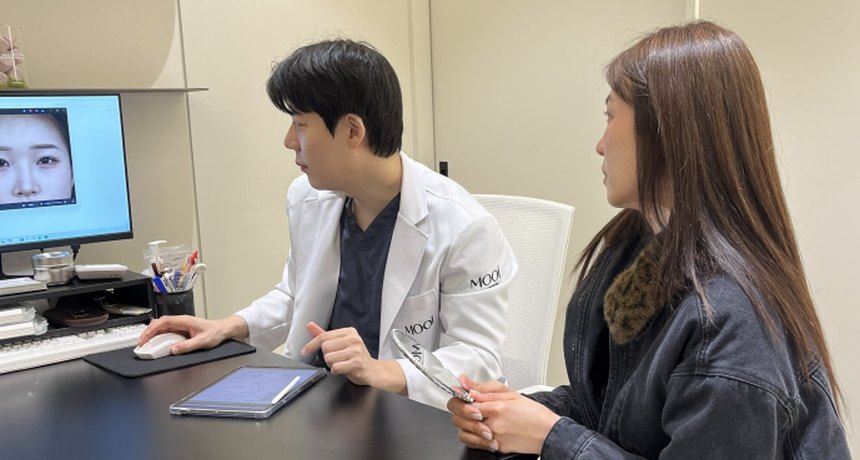
Korea has become the global leader in rhinoplasty, attracting thousands of international patients annually seeking natural-looking nose surgery results. Korean surgeons combine advanced techniques with aesthetic principles tailored to diverse facial structures, making it an ideal destination for foreigners considering nose reshaping. See also: /p>Gangnam Dermatology Center.
This guide covers everything international patients need to know about getting nose surgery in Korea, from selecting qualified surgeons to understanding costs and recovery expectations. Learn about /p>seoul insurance guide.
Why Choose Korea for Nose Surgery as a Foreigner
Korea performs more rhinoplasty procedures per capita than any other country, with surgeons specializing in both Asian and Western nose types. This expertise stems from decades of refined techniques and a medical tourism infrastructure designed specifically for international patients. Read about korean clinic reviews guide.korea results.
Korean rhinoplasty surgeons are recognized for their precision in creating natural results that harmonize with individual facial features rather than applying a one-size-fits-all approach. Many clinics in Seoul’s Gangnam and Apgujeong districts offer dedicated international patient departments with English-speaking coordinators, interpreters, and streamlined consultation processes. Learn about /p>
The Korean Ministry of Health and Welfare (MOHW) strictly regulates medical facilities, ensuring safety standards comparable to Western countries. Surgeons certified by the Korean Association of Maxillofacial Plastic and Reconstructive Surgeons (KAMPS) or Korean Association of Medical Specialists (KAMS) undergo rigorous training specifically in facial plastic surgery. Read about Gangnam Dermatology.
Cost advantages are significant. Nose surgery in Korea typically costs 40-60% less than equivalent procedures in the United States, United Kingdom, or Australia, even when factoring in travel expenses. This pricing reflects lower operational costs rather than compromised quality, as Korean clinics invest heavily in technology and surgeon education.
Research published in PubMed indicates that Asian rhinoplasty techniques, particularly augmentation methods using autologous cartilage, have advanced significantly in Korea with high patient satisfaction rates. Korean surgeons routinely handle diverse ethnic nose structures, making them well-equipped for international patients. For comparison, see /p>
Types of Nose Surgery Available for International Patients
Korean clinics offer comprehensive rhinoplasty options customized to individual aesthetic goals and structural needs. Understanding these procedures helps foreigners communicate effectively during consultations.
Primary Rhinoplasty
Primary rhinoplasty addresses patients undergoing their first nose surgery. Common requests from Western patients include dorsal hump reduction, tip refinement, nostril reduction, and bridge narrowing. Korean surgeons use both open and closed rhinoplasty techniques depending on complexity.
For patients with low nasal bridges, augmentation using silicone implants, Gore-Tex, or autologous cartilage (typically harvested from the septum, ear, or rib) is performed. Studies in aesthetic surgery journals note that Korean surgeons prefer cartilage for tip work due to natural appearance and lower complication rates.
Revision Rhinoplasty
Revision rhinoplasty corrects unsatisfactory results from previous surgeries. Korea attracts many international patients seeking revisions due to surgeon expertise in complex cases. These procedures often require cartilage grafting, scar tissue removal, and structural reconstruction. Read about seoul skin.
Korean surgeons have developed specialized techniques for addressing common revision issues including pinched tips, implant visibility, breathing problems, and asymmetry. Success requires extensive experience, which many Gangnam specialists possess through high procedure volumes.
Functional Rhinoplasty
Functional rhinoplasty combines aesthetic improvements with correction of breathing problems caused by deviated septum, turbinate hypertrophy, or valve collapse. Korean ENT-trained plastic surgeons can address both concerns simultaneously, which is particularly valuable for international patients traveling specifically for treatment.
Non-Surgical Nose Jobs
For patients seeking minor corrections without surgery, Korean clinics offer non-surgical rhinoplasty using dermal fillers. These temporary enhancements can raise the bridge, smooth bumps, or adjust tip projection. Results last 12-18 months and provide an option for those testing aesthetic changes before committing to surgery.
Selecting the Right Surgeon and Clinic in Korea
Choosing a qualified surgeon is critical for safety and results. International patients should verify credentials, experience with their specific ethnicity, and communication capabilities.
Board certification by KAMS or KAMPS confirms specialist training in plastic surgery or ENT with additional facial plastic surgery focus. Request verification of certifications directly from clinics, and confirm surgeons are registered with MOHW.
Review before-and-after photos of patients with similar ethnic backgrounds and aesthetic goals. Korean surgeons experienced with Western patients will have portfolios demonstrating work on Caucasian, Middle Eastern, Southeast Asian, and other non-Korean nose types. Read about gangnam skin.
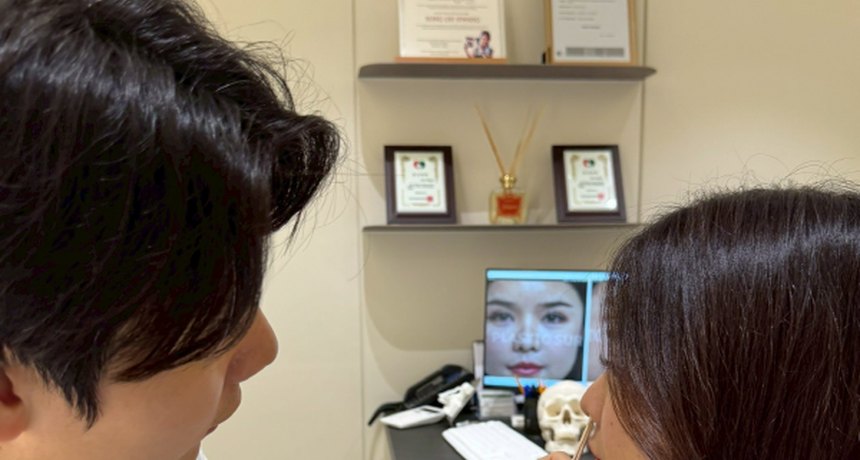
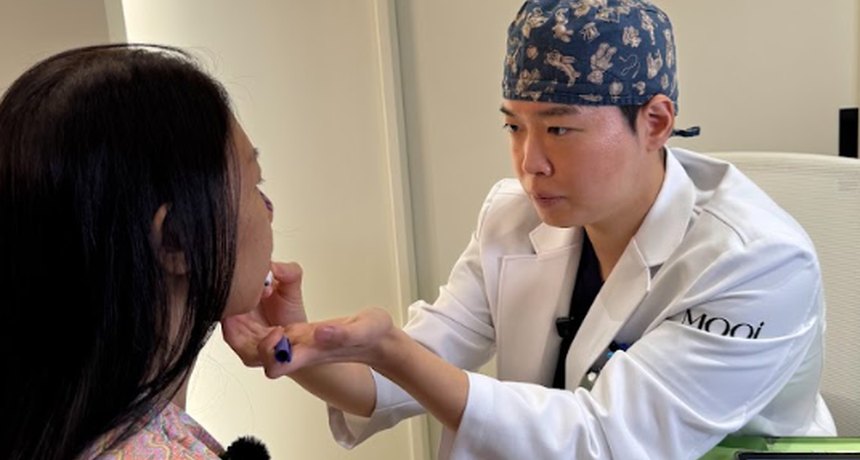
Communication quality matters significantly. Schedule video consultations before traveling to assess the surgeon’s understanding of your goals and their ability to explain techniques clearly. Reputable clinics provide professional medical interpreters, not just administrative coordinators.
Gangnam and Apgujeong districts contain the highest concentration of experienced rhinoplasty surgeons, but this also means higher competition. Research individual surgeon backgrounds rather than selecting based solely on clinic size or marketing.
Check international patient reviews on multiple platforms, noting both positive experiences and how clinics handled complications. Be cautious of clinics offering prices significantly below market rates, as this may indicate less experienced surgeons or quality compromises.
Accreditation by Joint Commission International (JCI) or similar international bodies provides additional assurance of safety protocols, though many excellent Korean plastic surgeons practice in non-JCI facilities.
Costs, Recovery Timeline, and Travel Planning
Understanding financial and logistical requirements helps international patients plan effectively for nose surgery in Korea.
Cost Breakdown
Primary rhinoplasty in Korea typically ranges from $3,000 to $7,000 USD depending on technique complexity and surgeon experience. Revision rhinoplasty costs $5,000 to $10,000 USD due to increased difficulty. These prices usually include surgeon fees, anesthesia, facility costs, and initial follow-up appointments.
Additional expenses include accommodation ($50-150 per night), meals ($30-50 daily), airport transfers, and interpretation services if not included. Budget approximately $1,500-2,500 for a two-week stay beyond medical costs. Travel insurance covering complications is recommended, though many policies exclude elective cosmetic procedures.
Recovery Timeline
Most surgeons require patients to remain in Korea for 7-10 days post-surgery for splint removal and initial healing assessment. The external splint is typically removed on day 5-7, with stitches removed simultaneously if open rhinoplasty was performed.
Significant swelling subsides within two weeks, though residual swelling continues improving for 6-12 months. Most patients feel comfortable returning to work after 10-14 days. Strenuous exercise should be avoided for 4-6 weeks, and contact sports for 3 months.
International patients should schedule consultations 1-2 days before surgery to allow for detailed examination and final planning. Some clinics offer same-day consultation and surgery, but this provides insufficient time for informed decision-making.
Follow-Up Care
Post-operative care typically includes 2-3 in-person appointments during the initial 10-day stay. After returning home, follow-up occurs via photo exchange and video calls at 1 month, 3 months, 6 months, and 1 year post-surgery.
Establish care with a local plastic surgeon in your home country for emergency evaluation if needed. Reputable Korean surgeons provide detailed operative reports and welcome communication with your local physician.
Should complications require in-person assessment, factor in potential costs of returning to Korea. Many clinics offer complimentary revision surgery within the first year if issues arise, though travel expenses remain the patient’s responsibility.
Frequently Asked Questions
Is nose surgery in Korea safe for foreigners?
Yes, when choosing MOHW-registered, board-certified surgeons at accredited facilities. Korea maintains strict medical safety standards, and experienced surgeons routinely treat international patients. Verify credentials independently and ensure proper pre-operative health screening.
How long should I stay in Korea after rhinoplasty?
Plan for 7-10 days minimum to allow for splint removal and initial healing assessment. This ensures your surgeon can address any immediate concerns before you travel home. Some patients stay two weeks for additional peace of mind. Read about top skin clinic seoul.
Can Korean surgeons work with Western nose structures?
Experienced Korean rhinoplasty surgeons regularly treat diverse ethnicities and are skilled in Western nose anatomy. Review surgeons’ portfolios showing work on patients with similar ethnic backgrounds to yours before selecting a provider.
What if complications occur after returning home?
Reputable clinics provide detailed post-operative instructions and remain available via video consultation. Minor concerns are usually managed remotely, while significant complications may require local medical attention or returning to Korea. Maintain communication with both your Korean surgeon and a local plastic surgeon.
Do I need a medical visa for nose surgery in Korea?
Most Western nationalities receive visa-free entry for 30-90 days as tourists, sufficient for rhinoplasty and recovery. Medical visas exist but are typically unnecessary for short cosmetic procedures. Verify current visa requirements for your specific nationality before booking travel.