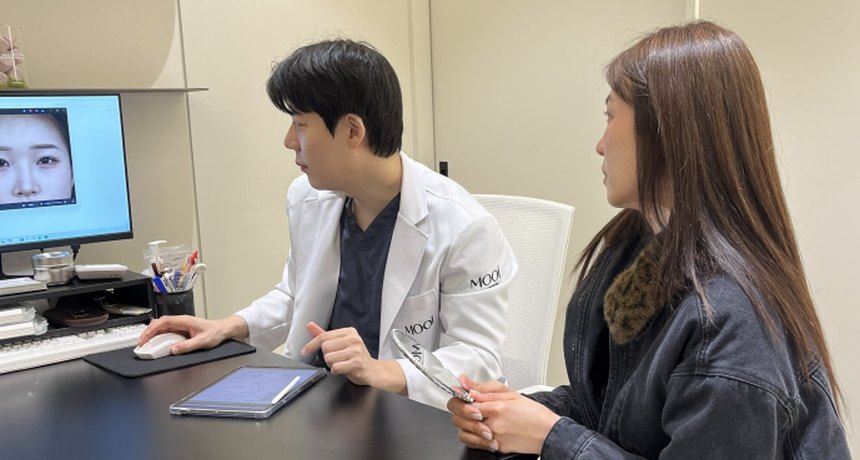
Korea has established itself as a global leader in rhinoplasty, attracting thousands of international patients annually seeking natural-looking nose surgery results. The concentration of specialized clinics in Seoul, particularly in Gangnam and Apgujeong districts, offers English-speaking patients access to advanced techniques and experienced surgeons who understand diverse facial anatomy. Related: /p>clinic seoul complete.
For international patients, navigating nose surgery in Korea requires understanding procedural options, selecting qualified surgeons, and managing practical logistics from consultation through recovery. This comprehensive guide addresses the essential information needed to make informed decisions about rhinoplasty in Korea. Learn about /p>gangnamdermatologycenter.com.
Why Korea Leads in Rhinoplasty Excellence
Korea performs more rhinoplasty procedures per capita than any other country, with Seoul’s Gangnam district housing the world’s highest concentration of cosmetic surgery clinics. This volume translates into surgical expertise, particularly for Asian rhinoplasty techniques that preserve ethnic identity while enhancing facial harmony. Korean surgeons have pioneered approaches specifically addressing low nasal bridges, wide nostrils, and bulbous tips common in Asian anatomy. Discover /p>dermatology clinic.
The Korean medical tourism infrastructure supports English-speaking patients through dedicated international departments, translation services, and streamlined appointment systems. Major clinics employ English-speaking coordinators who manage communication from initial inquiry through post-operative care. The Ministry of Health and Welfare (MOHW) regulates medical tourism facilities, ensuring clinics meet specific standards for treating international patients. Related: /p>
Cost advantages remain significant, with Korean rhinoplasty typically costing 40-60% less than equivalent procedures in the United States, United Kingdom, or Australia. Average prices range from $3,000-$8,000 depending on complexity, compared to $8,000-$15,000 in Western countries. Despite lower costs, Korean clinics utilize advanced technology including 3D imaging systems, endoscopic techniques, and computer-assisted planning tools.
Korean surgeons frequently publish research in international journals, with PubMed indexing numerous studies on Asian rhinoplasty techniques. Research demonstrates that preservation rhinoplasty approaches, widely practiced in Korea, result in reduced recovery times and more natural outcomes compared to traditional destructive techniques. The Korean Association of Plastic Surgeons (KAPS) and Korean Association of Maxillofacial Plastic and Reconstructive Surgeons (KAMPS) maintain continuing education requirements ensuring surgeons remain current with evolving methodologies.
Rhinoplasty Procedures and Techniques in Korea
Korean rhinoplasty encompasses multiple techniques tailored to individual facial structures and aesthetic goals. Understanding procedure options helps international patients communicate preferences effectively during consultations.
Bridge Augmentation Rhinoplasty
Bridge augmentation addresses low nasal bridges, the most common concern among Asian patients. Surgeons utilize either autologous materials (patient’s own tissue) or synthetic implants. Autologous options include costal cartilage harvested from the patient’s rib, donor rib cartilage, or dermal-fat grafts. These materials integrate naturally with existing tissue and carry minimal rejection risk.
Synthetic implants include silicone and Gore-Tex, both approved by Korean medical authorities. Silicone offers precise shaping and maintains form permanently, while Gore-Tex allows tissue integration and appears more natural. Korean surgeons prefer partial silicone implants extending from the nasal root to mid-bridge, combined with cartilage tip work, rather than single-piece implants. This approach reduces complications and creates more natural movement.
The procedure typically requires 1.5-2 hours under general anesthesia. Surgeons access the nasal structure through either open rhinoplasty (external columellar incision) or closed rhinoplasty (internal incisions). Most Korean surgeons favor the open approach for complex cases requiring significant structural changes, reserving closed techniques for minor refinements. Read about seoul dermatology review.
Tip Plasty
Nasal tip refinement addresses bulbous, drooping, or asymmetric tips. Korean surgeons employ cartilage grafting using septal cartilage, ear cartilage, or processed donor cartilage. Shield grafts strengthen and project the tip, while alar rim grafts correct retracted nostrils. Lateral crural strut grafts support tip projection and prevent collapse.
Advanced techniques include tip suturing methods that reshape existing cartilage without grafts. These approaches reduce surgical trauma and recovery time. Korean surgeons commonly combine multiple micro-techniques—such as interdomal sutures, transdomal sutures, and lateral crural tensioning—to achieve precise tip definition while maintaining natural appearance.
Alar Base Reduction
Wide nostrils receive correction through alar base reduction, removing small tissue wedges from the nostril base to narrow overall width. Korean surgeons measure the ideal alar width as approximately equal to the intercanthal distance (space between inner corners of eyes). External incisions heal with minimal scarring when placed in natural nostril creases.
This procedure often accompanies bridge augmentation or tip work, performed as part of comprehensive rhinoplasty. When done alone, alar reduction requires only local anesthesia and 30-45 minutes, with patients resuming normal activities within days.
Revision Rhinoplasty
Korea attracts significant numbers of revision rhinoplasty patients, including those correcting previous surgeries performed elsewhere. Revision cases address complications like implant visibility, asymmetry, over-resection, breathing difficulties, or aesthetic dissatisfaction. Korean surgeons specializing in revisions utilize advanced reconstruction techniques including cartilage grafting from multiple donor sites and structural reinforcement methods.
Revision rhinoplasty requires greater expertise due to scar tissue, compromised blood supply, and altered anatomy. Recovery extends longer than primary rhinoplasty, with final results visible after 12-18 months. International patients should select surgeons with specific revision experience and review extensive before-after portfolios.
Non-Surgical Nose Augmentation
For patients seeking temporary enhancement without surgery, Korean clinics offer non-surgical rhinoplasty using hyaluronic acid fillers. Procedures require 15-30 minutes with immediate results lasting 12-18 months. Fillers can raise bridge height, correct minor asymmetries, and refine contours. However, filler rhinoplasty cannot reduce nose size, narrow nostrils, or make permanent structural changes.
Non-surgical approaches suit patients testing aesthetic preferences before committing to surgery or those with minor concerns not warranting surgical intervention. Risks include vascular complications if filler accidentally enters blood vessels, making surgeon expertise crucial even for non-surgical procedures.
Selecting a Qualified Korean Rhinoplasty Surgeon
Choosing the appropriate surgeon represents the most critical decision for international patients. Korea’s popularity has led to significant variation in surgeon qualifications and clinic standards.
Essential Credentials and Certifications
Legitimate Korean plastic surgeons complete six years of medical school, one-year internship, and four-year plastic surgery residency before board certification. The Korean Board of Plastic Surgery, overseen by the Ministry of Health and Welfare, administers certification examinations. International patients should verify surgeons hold board certification in plastic surgery specifically, not general surgery or other specialties. Read about english speaking dermatologist seoul.
Memberships in professional organizations including the Korean Association of Plastic Surgeons (KAPS), Korean Society of Aesthetic Plastic Surgery (KSAPS), and international bodies like the International Society of Aesthetic Plastic Surgery (ISAPS) indicate active professional engagement. However, memberships alone don’t guarantee expertise—surgical experience and specialization matter more than organizational affiliations.
Request information about rhinoplasty case volume and view extensive before-after galleries. Surgeons performing 200+ rhinoplasties annually develop pattern recognition and technical refinement that occasional practitioners lack. Look for galleries showing patients with similar ethnic backgrounds and aesthetic goals.
Communication and Consultation Process
Effective communication prevents misunderstandings about aesthetic goals and surgical plans. Reputable clinics provide English-speaking coordinators who translate during consultations, but verify the surgeon’s English proficiency for direct communication about technical details. Some surgeons speak fluent English from overseas training, while others rely entirely on translators.
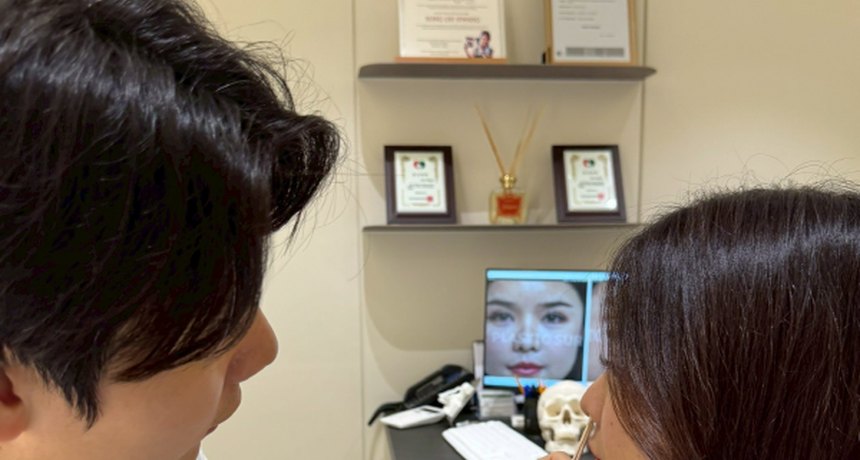
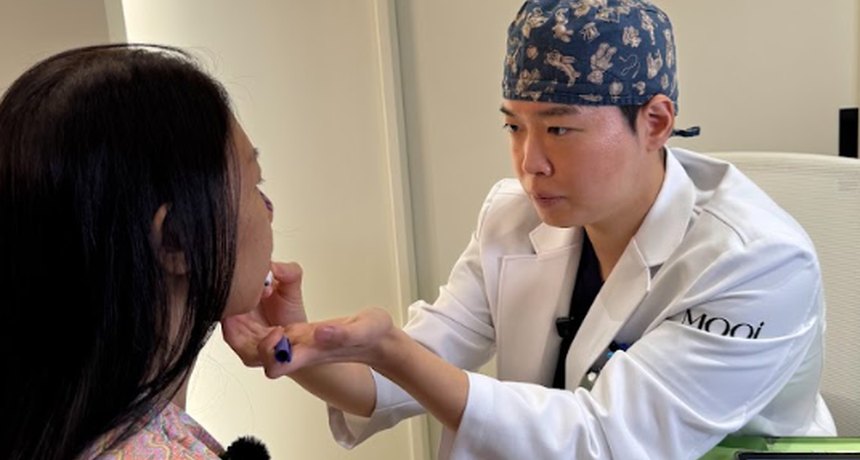
Initial consultations should include facial analysis, computer imaging showing anticipated results, detailed surgical plan explanation, alternative approach discussion, risk disclosure, and cost breakdown. Surgeons should ask about medical history, previous surgeries, medications, and specific aesthetic preferences. Consultations lasting less than 20 minutes may indicate insufficient individualized planning.
Many clinics offer video consultations for international patients, allowing preliminary assessment before travel. However, in-person consultation remains essential before surgery, as computer images approximate but don’t guarantee outcomes. Plan to arrive in Korea 1-2 days before scheduled surgery for final consultation and pre-operative assessment.
Warning Signs and Red Flags
Avoid clinics guaranteeing specific results, as biological healing variability makes guarantees impossible. Be cautious of facilities pushing immediate decisions, offering steep discounts for same-day surgery, or claiming “painless” or “scarless” surgery—all procedures involve some discomfort and potential scarring.
Clinics operating multiple facilities simultaneously may indicate the surgeon splits time between locations rather than maintaining continuous availability for post-operative care. Verify the consulting surgeon will personally perform your surgery, as some clinics employ junior doctors for actual procedures while senior surgeons only consult. Request written confirmation that your chosen surgeon will perform the entire procedure.
Excessive social media presence with celebrity-style marketing but minimal technical content may prioritize image over substance. While modern clinics maintain professional social media, focus should remain on surgical expertise rather than luxury amenities or influencer partnerships.
Practical Planning for International Patients
Successful rhinoplasty in Korea requires careful logistical planning covering pre-arrival preparation, in-country stay, and post-departure recovery.
Pre-Arrival Preparation
Begin research 2-3 months before intended surgery dates. Contact multiple clinics requesting consultations, price quotes, and surgeon credentials. Compare 4-6 facilities before narrowing to 2-3 finalists for in-person consultations. Medical tourism agencies can facilitate connections but verify they don’t receive commissions affecting recommendations.
Obtain medical clearance from your home doctor, especially if you have chronic conditions, take regular medications, or are over 50 years old. Pre-operative blood tests may be required. Discontinue blood-thinning medications, supplements (vitamin E, fish oil, ginseng), and smoking at least two weeks before surgery. Prepare medical history documents in English including previous surgeries, allergies, and current medications. Read about dermatologist seoul.V-line surgery Korea.
Book refundable accommodations allowing flexibility if surgery dates shift. Choose lodging within 15-20 minutes of the clinic to facilitate post-operative visits. Many clinics partner with nearby hotels offering patient discounts. Airbnb rentals in Gangnam or Apgujeong provide apartment-style comfort with kitchen facilities useful during recovery.
Recommended Timeline and Stay Duration
Plan minimum 10-14 days in Korea for rhinoplasty, allowing consultation, surgery, initial recovery, and follow-up appointments. The typical schedule includes: Day 1-2 arrival and consultation, Day 3 pre-operative preparation and photography, Day 4 surgery, Day 5-7 rest and swelling management, Day 8 splint and stitch removal, Day 9-12 continued recovery, Day 13-14 final check and departure clearance.
Complex cases or revision rhinoplasty may require extending stay to 14-21 days. Some patients schedule surgery during the first few days, allowing maximum recovery time before departure. However, this reduces flexibility if surgeons recommend delaying surgery based on consultation findings.
Schedule surgery mid-week when possible, avoiding Monday surgeries (less weekend preparation time) and Friday surgeries (limited weekend support if issues arise). Consider Korean holidays when clinics close, particularly Lunar New Year and Chuseok, which can extend 4-5 days.
Recovery and Post-Operative Care
Immediate post-operative period involves nasal splint, internal packing or silicone tubes, swelling, and bruising. Most clinics remove packing within 2-3 days and external splints after 7 days. Pain remains manageable with prescribed medications—patients report rhinoplasty discomfort as moderate rather than severe. Read about best dermatologist in seoul.
Swelling peaks at 48-72 hours post-surgery then gradually subsides. Expect 60-70% of swelling resolution within two weeks, 80-90% within 4-6 weeks, with final refinement continuing 12-18 months. Bruising typically resolves within 10-14 days. Sleep elevated, apply cold compresses, avoid strenuous activity, and follow all post-operative instructions meticulously.
Most clinics provide emergency contact numbers for post-operative concerns. Understand what constitutes an emergency requiring immediate contact (severe bleeding, breathing difficulty, signs of infection) versus normal recovery symptoms. International patients should arrange local companions or hire nursing services if traveling alone, as the first 2-3 days require assistance.
Long-Term Follow-Up and Complications
Reputable clinics schedule follow-up appointments at specific intervals: 1 week, 1 month, 3 months, 6 months, and 1 year post-surgery. International patients typically complete the one-week visit before departure, then submit photos for subsequent checkpoints. Some clinics require in-person 3-month or 6-month visits, so clarify follow-up expectations during initial consultations. Many also explore /p>
Potential complications include infection (1-2% incidence), implant displacement, asymmetry, breathing difficulties, or aesthetic dissatisfaction. Reputable surgeons provide revision policies addressing complications within defined timeframes. Review revision terms in your surgical contract before proceeding. Understand which revisions are covered at no cost versus those requiring additional fees.
Major complications requiring urgent intervention are rare but necessitate local medical care. Ensure your travel insurance covers cosmetic surgery complications—most standard policies exclude elective procedures. Specialized medical tourism insurance products cover complication treatment but verify coverage details before purchasing.
Costs, Payment, and Insurance Considerations
Understanding complete financial requirements prevents unexpected expenses during your Korean rhinoplasty journey.
Procedure Costs and Price Ranges
Korean rhinoplasty costs vary significantly based on procedure complexity, surgeon experience, and clinic location. Basic bridge augmentation with implant ranges $3,000-$5,000. Comprehensive rhinoplasty including bridge augmentation, tip work, and alar reduction costs $5,000-$8,000. Revision rhinoplasty requiring extensive reconstruction ranges $7,000-$12,000.
Premium clinics in Gangnam with internationally recognized surgeons charge 20-40% above average rates. However, higher prices don’t always correlate with better results—mid-range clinics often employ equally qualified surgeons with less marketing overhead. Request itemized quotes showing surgeon fees, anesthesia, facility costs, materials, and post-operative care separately.
Additional costs include pre-operative tests ($100-$200), medications ($50-$100), compression garments ($30-$50), and potential revision procedures. Budget 10-15% above quoted surgery costs for incidental medical expenses.
Payment Methods and Timing
Korean clinics typically require deposits (30-50% of total cost) upon booking, with balance due before or immediately after surgery. Payment methods include wire transfers, credit cards, and cash. Credit cards incur 3-5% processing fees at many clinics. Wire transfers avoid fees but require 3-5 business days processing and involve bank charges.
Bring sufficient cash or arrange credit card limits covering total costs plus 20% buffer for unexpected expenses. Major clinics accept international credit cards, but smaller facilities may prefer cash or Korean cards. ATM withdrawal limits in Korea typically cap at $1,000-$2,000 daily, so plan accordingly if paying cash.
Request written quotes in English specifying all included services and potential additional costs. Clarify refund policies if you cancel or postpone surgery. Most deposits are non-refundable, though some clinics offer rescheduling flexibility with advance notice.
Insurance and Financing
Cosmetic rhinoplasty is elective and excluded from insurance coverage in Korea and internationally. However, functional rhinoplasty addressing breathing difficulties or structural problems may qualify for partial insurance coverage under some international policies. Obtain pre-authorization from your insurance provider if claiming functional necessity.
Korean clinics don’t typically file international insurance claims—patients pay out-of-pocket then submit claims for reimbursement. Medical tourism financing companies offer payment plans, but interest rates (15-25% annually) significantly increase total costs. Saving for procedures in advance avoids financing charges.
Document all medical expenses with itemized receipts, surgical reports, and before-after photographs for potential tax deductions. Some countries allow medical expense deductions when costs exceed specific percentages of annual income—consult your tax advisor about eligibility.
Cultural and Language Considerations
Understanding Korean medical culture and communication styles enhances your experience and reduces misunderstandings.
Language Support and Communication
While English proficiency among Korean surgeons varies, established medical tourism clinics employ dedicated English-speaking coordinators managing all patient interactions. Coordinators translate consultations, explain pre and post-operative instructions, assist with medication information, and coordinate appointments. Some clinics offer additional language support for Chinese, Japanese, Russian, and Arabic speakers.
Bring translated medical documents if your history includes complex conditions or previous surgeries. Google Translate functions adequately for basic communication outside medical settings, but rely on professional clinic translators for medical discussions. Download offline translation apps as backup since internet access may be limited in some situations.
Korean communication style tends toward indirect politeness. Surgeons may soften critical feedback or negative information to maintain harmony. Ask direct, specific questions and request explicit clarification rather than assuming implied meanings. Western patients sometimes interpret Korean politeness as evasiveness, but this reflects cultural communication norms rather than dishonesty.
Aesthetic Preferences and Expectations
Korean beauty standards historically favored higher, narrower noses with refined tips—features more common in Caucasian anatomy. However, modern Korean aesthetic surgery philosophy emphasizes facial harmony over westernization. Contemporary surgeons focus on enhancements preserving ethnic identity while improving proportions.
Clearly communicate your aesthetic goals using reference photographs. Specify whether you