Nose Surgery Korea Verified


Nose surgery in Korea has become synonymous with precision, innovation, and world-class aesthetic outcomes. International patients seeking rhinoplasty increasingly turn to Seoul for its concentration of specialized surgeons, advanced techniques, and rigorous verification systems that ensure safety and quality. Understanding how to verify credentials, choose qualified surgeons, and navigate Korea’s medical tourism infrastructure is essential for achieving optimal results while minimizing risks. Related: /p>kbeauty clinic seoul.

This comprehensive guide examines the verification processes, certification standards, and selection criteria that distinguish Korea’s rhinoplasty landscape. From governmental oversight to surgeon qualifications, you’ll learn exactly what “verified” means in the context of Korean nose surgery and how to make informed decisions for your procedure. Learn about /p>gangnamdermatologycenter.com.

Understanding Korea’s Medical Verification System

Korea operates one of Asia’s most stringent medical verification frameworks, overseen by the Ministry of Health and Welfare (MOHW). Every plastic surgery clinic must obtain proper licensing through this governmental body, which conducts regular inspections and enforces compliance with national healthcare standards. The MOHW maintains a public database of licensed medical facilities, allowing patients to verify clinic legitimacy before scheduling consultations. Read about top seoul dermatology clinic.surgery korea results.seoul dermatology korea.

The Korean Association of Medical Specialists (KAMS) serves as the authoritative body for physician certification. Surgeons performing rhinoplasty must complete residency training in either plastic surgery or otolaryngology, followed by board certification examinations. This process typically requires 4 years of medical school, 1 year of internship, and 4 years of residency training in their specialty. Only after passing rigorous written and practical examinations do physicians receive board certification credentials that legally authorize them to perform nose surgery. Related: /p>

The Korean Association of Plastic Surgeons (KAPS) provides additional specialization verification for aesthetic procedures. Membership requires documented surgical experience, ongoing education credits, and adherence to ethical practice standards. Many reputable clinics display KAPS membership certificates prominently, offering patients an additional verification layer beyond basic governmental licensing.

Medical tourism facilitators must also register with the Korea Health Industry Development Institute (KHIDI), which screens agencies for financial stability and ethical practices. Verified facilitators receive official certification numbers that patients can cross-reference online. This multi-tiered system creates accountability throughout the medical tourism chain, from initial consultation to post-operative care. Read about Skin Care.

International accreditation adds another verification dimension. Joint Commission International (JCI) accredits several Seoul hospitals offering rhinoplasty services, applying global standards for patient safety, infection control, and quality management. While JCI accreditation is more common in large hospitals than specialized clinics, it represents the highest international verification standard available in Korean healthcare.

Board Certification and Surgeon Credentials

Korean plastic surgeons hold certification from the Korean Board of Plastic Surgery, requiring completion of specific training pathways. Board-certified plastic surgeons (성형외과 전문의) have completed residency exclusively in plastic and reconstructive surgery, while ENT specialists (이비인후과 전문의) may also perform rhinoplasty after otolaryngology training. Understanding these distinctions helps patients verify appropriate specialization for their specific procedure type.

Verification of surgeon credentials requires checking three primary sources. First, the MOHW’s online portal allows searching physicians by name and license number, confirming active medical licenses without disciplinary actions. Second, the KAMS database lists all board-certified specialists with their certification dates and specialties. Third, individual clinic websites should display surgeon profiles with medical school graduation dates, residency institutions, and board certification years.

Experience metrics matter significantly in nose surgery outcomes. Research published in Aesthetic Plastic Surgery demonstrates correlation between surgeon volume and complication rates, with specialists performing over 200 rhinoplasties annually showing superior outcomes. Korean rhinoplasty specialists in Gangnam’s competitive market often exceed this threshold considerably, with some performing 500+ procedures yearly. Patients should inquire about annual procedure volumes during consultations. Many also explore /p>

International training and conference participation indicate commitment to advanced techniques. Many leading Korean rhinoplasty surgeons have completed fellowships at institutions in the United States or Europe, bringing global perspectives to their practice. Publications in peer-reviewed journals like JAMA Facial Plastic Surgery or Plastic and Reconstructive Surgery demonstrate academic engagement and contribution to surgical knowledge advancement.

Hospital privileges provide additional verification. Surgeons affiliated with university hospitals or major medical centers undergo credentialing reviews assessing training, experience, and malpractice history. While many excellent rhinoplasty specialists operate in private clinics, hospital affiliations offer independent verification of qualifications and ongoing peer review.

Rhinoplasty Techniques and Specializations in Korea

Korean rhinoplasty distinguishes itself through specialized approaches addressing Asian facial anatomy. The open approach rhinoplasty technique, where incisions extend across the columella, provides superior visualization for complex structural modifications common in Asian nose surgery. Studies in the Archives of Plastic Surgery indicate open rhinoplasty allows more precise cartilage grafting and tip refinement, particularly important when building nasal projection in flatter nasal profiles.

Autologous cartilage grafting represents the gold standard in Korean rhinoplasty. Surgeons harvest septal cartilage, ear cartilage, or costal cartilage to construct nasal frameworks without synthetic materials. This approach reduces long-term complications like implant displacement or extrusion. Septal cartilage provides ideal material for tip refinement, while costal cartilage enables dramatic dorsal augmentation in revision cases or patients with insufficient septal reserves.

Dorsal augmentation techniques vary based on individual anatomy and aesthetic goals. Korean surgeons employ silicone implants, Gore-Tex implants, or cartilage-only reconstructions depending on the degree of augmentation needed and patient preferences. Silicone remains popular for its predictable results and cost-effectiveness, though cartilage-only techniques have gained preference among patients prioritizing natural outcomes over maximum projection. The choice between materials should be verified against the surgeon’s specific experience with each approach.

Tip plasty techniques in Korea emphasize natural definition without excessive rotation. Surgeons use shield grafts, cap grafts, and strut grafts to refine tip shape while maintaining ethnic harmony. Advanced techniques like septal extension grafts enable controlled tip projection and rotation, particularly valuable for patients desiring more defined nasal tips while preserving facial balance. Korean specialists excel at subtle tip modifications that enhance definition without creating overly westernized appearances.

Functional rhinoplasty addresses breathing concerns alongside aesthetic improvements. Septoplasty corrects deviated septums, while turbinate reduction improves airflow in patients with nasal obstruction. Many Korean surgeons trained in both aesthetic and functional techniques provide comprehensive approaches addressing both appearance and function. Verification of functional surgery training becomes important for patients with breathing difficulties or previous nasal trauma.

Revision rhinoplasty requires specialized expertise addressing complications from previous surgeries. Korean revision specialists concentrate in areas like Apgujeong and Cheongdam, where they manage cases involving implant removal, contracted noses, or asymmetries from prior procedures. Revision surgery demands advanced skills in scar tissue management and structural reconstruction, making surgeon verification even more critical for these complex cases.

Safety Standards and Facility Accreditation

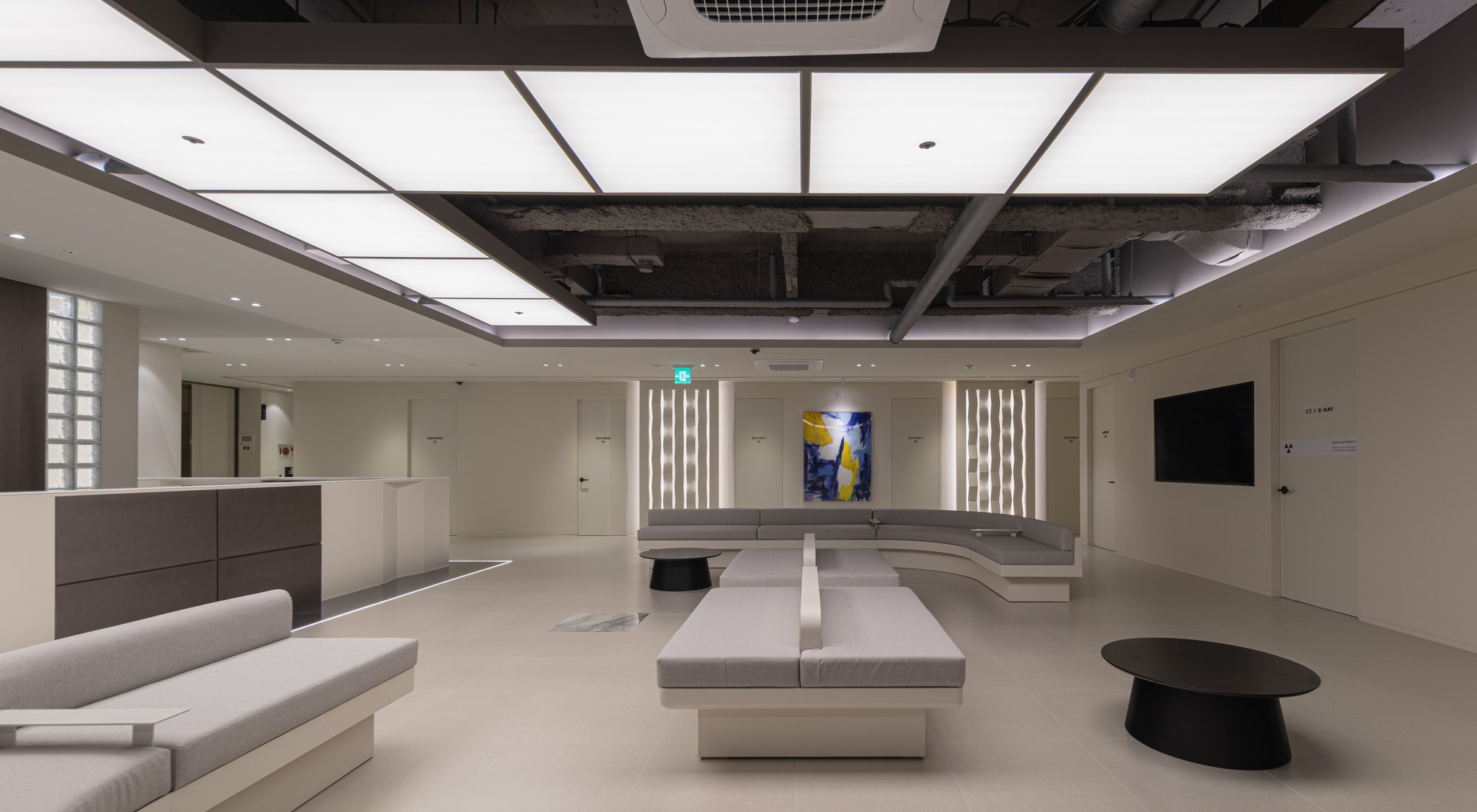
Operating room certification ensures appropriate surgical environments. Korean law requires all facilities performing surgery under sedation or general anesthesia to meet specific equipment, staffing, and safety standards. The MOHW inspects operating rooms annually, verifying proper sterilization equipment, emergency resuscitation capabilities, and anesthesia monitoring systems. Patients should confirm clinics possess current operating room licenses before scheduling procedures.

Anesthesia safety represents a critical verification point. Board-certified anesthesiologists (마취통증의학과 전문의) should administer or directly supervise all general anesthesia and deep sedation. Nurse anesthetists working under physician supervision may handle local anesthesia with sedation for less complex cases. Patients must verify who will provide anesthesia services and confirm their credentials before surgery. Clinics should transparently provide anesthesiologist names and certification information. Read about kbeauty clinic seoul.

Infection control protocols follow international standards in verified facilities. Proper sterilization of instruments, single-use supplies for each patient, and regular bacterial monitoring of operating rooms minimize infection risks. JCI-accredited facilities undergo rigorous infection control audits, while non-accredited clinics should still maintain protocols consistent with Korean medical standards. Patients can request information about infection rates and sterilization procedures during facility tours.

Emergency preparedness distinguishes well-managed clinics from substandard operations. Verified facilities maintain emergency medications, defibrillators, and oxygen delivery systems in operating rooms. Staff training in basic and advanced cardiac life support enables rapid response to complications. Proximity to emergency hospitals provides backup for rare serious complications requiring intensive care. Gangnam district clinics benefit from multiple tertiary hospitals within 10-minute transport range.

Post-operative monitoring protocols ensure safe recovery. Patients should remain in recovery rooms with continuous monitoring for at least 2 hours after general anesthesia. Nursing staff must check vital signs regularly and assess for bleeding, swelling, or respiratory complications. Discharge criteria should include stable vital signs, minimal nausea, and appropriate pain control. Verified clinics provide clear written instructions for post-operative care and 24-hour emergency contact numbers.

Verification Process for International Patients

Pre-consultation research begins with identifying surgeons specializing in your specific concern. provides frameworks for evaluating surgeon portfolios and before-after galleries. Focus on cases resembling your nasal anatomy and aesthetic goals rather than dramatic transformations that may not apply to your situation. Korean clinics typically showcase extensive photo galleries organized by procedure type and patient ethnicity. Read about korean clinic reviews.

Document verification requires systematic credential checking. Request surgeon names, medical license numbers, and board certification details from clinics during initial inquiries. Cross-reference this information with MOHW and KAMS databases to confirm active licenses and specializations. Reputable clinics provide this information readily, while evasiveness about credentials raises red flags. Professional medical tourism agencies assist with verification processes for patients unfamiliar with Korean systems.

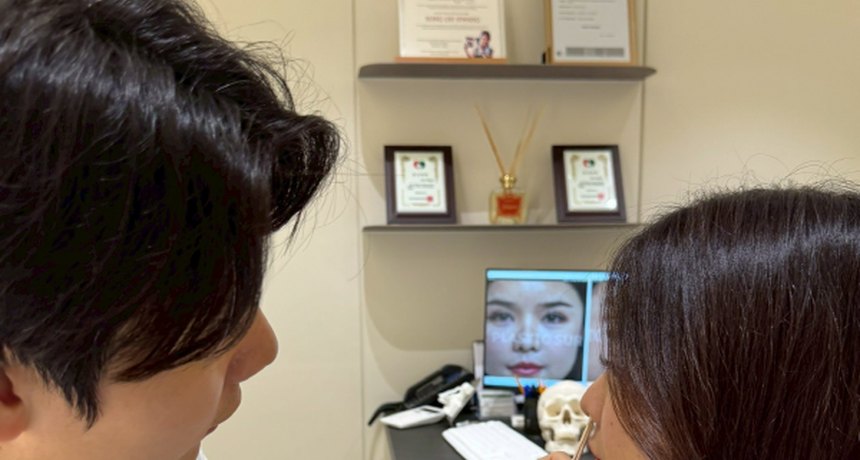
Virtual consultations enable preliminary assessment before traveling. Many Korean clinics offer video consultations with English-speaking coordinators and occasionally direct surgeon interaction. Prepare questions about technique recommendations, implant materials, revision policies, and complication management. Evaluate whether responses demonstrate genuine expertise or rely on generic marketing language. Quality surgeons discuss realistic outcomes, potential limitations, and alternative approaches rather than promising perfect results.

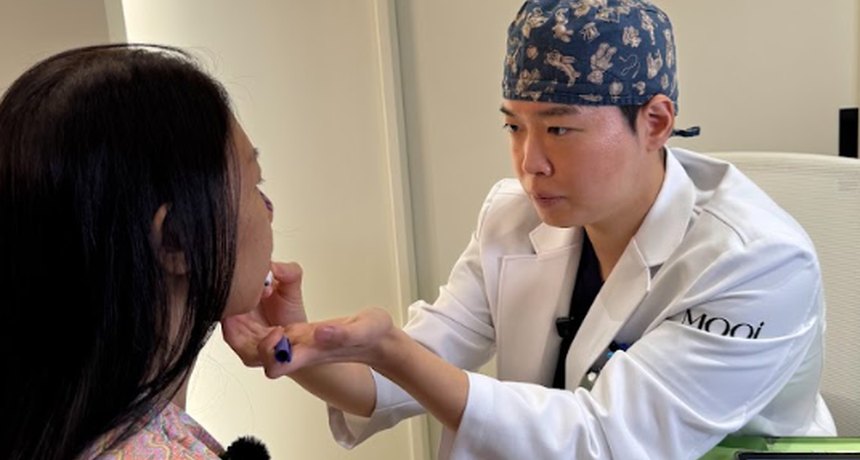
In-person consultations should include direct surgeon interaction beyond coordinator discussions. outlines essential consultation questions covering surgical approach, anesthesia type, recovery timeline, and revision policies. Verify that the surgeon who conducts consultations will perform your actual surgery, as some clinics employ multiple surgeons under one brand name. Request specific details about your planned procedure, including incision locations, grafting techniques, and expected implant sizes.

Second opinions provide valuable verification. Consulting multiple surgeons reveals consensus approaches versus outlier recommendations. If one surgeon suggests dramatically different techniques from others, investigate their reasoning thoroughly. Price variations should align with differences in surgeon experience, facility quality, or technique complexity rather than arbitrary discounting. Suspiciously low prices often indicate less experienced surgeons or cost-cutting in areas affecting safety.

Contract review protects patient interests. Korean medical contracts should specify the exact procedure, surgeon name, anesthesia type, facility location, total costs, and revision policies. Ensure contracts exist in English or include certified translations. Understand cancellation policies, deposit refund conditions, and what costs cover (procedure, anesthesia, medications, post-operative visits). Verified clinics provide transparent contracts without hidden fees for routine post-operative care.

Medical tourism agency verification prevents fraud. Check KHIDI registration for agencies claiming official status. examines agency selection criteria including transparent pricing, direct clinic relationships, and emergency support services. Avoid agencies demanding full payment before arrival or refusing to disclose specific clinic names. Legitimate agencies earn commissions from clinics rather than charging patients additional fees beyond clinic-published prices.

Post-Operative Care and Follow-Up Verification

Immediate post-operative monitoring establishes recovery baselines. Verified protocols include hourly vital sign checks for the first 6 hours, assessment of surgical site bleeding, and pain management titration. Patients should receive written instructions detailing medication schedules, activity restrictions, and warning signs requiring immediate medical attention. Korean clinics typically provide 24-hour emergency contact numbers for the first week after surgery.

Follow-up visit schedules vary by procedure complexity but generally include appointments at 1 week, 1 month, 3 months, and 6 months post-operatively. The 1-week visit involves cast or splint removal and initial swelling assessment. Subsequent visits monitor healing progression, address concerns, and document outcome development as swelling resolves. International patients should verify whether follow-up visits are included in quoted prices and whether remote follow-up via photos suffices for routine check-ups.

Complication management protocols demonstrate clinic accountability. Verified clinics address complications like infection, implant displacement, or asymmetry without additional charges when complications arise from surgical technique rather than patient non-compliance. Understand revision policies including timeframes (typically 1 year) and what revisions entail. Reputable surgeons distinguish between normal healing variations and true complications requiring intervention. Read about korean dermatology clinic review.

Long-term outcome tracking shows commitment to quality. Some leading Korean rhinoplasty clinics maintain patient databases tracking outcomes beyond initial healing, identifying late complications and refining techniques based on longitudinal data. While not universal, this practice indicates scientific rigor and patient-centered care. Patients can inquire whether surgeons participate in outcome registries or publish long-term follow-up studies.

International patient coordination addresses geographic distance challenges. discusses optimal timing for medical tourism procedures, balancing adequate Korea stay duration with practical constraints. Most rhinoplasty patients require 7-10 days in Korea for surgery and initial recovery before safe international travel. Clinics should provide telemedicine options for subsequent follow-up and coordinate with local physicians in patients’ home countries for any concerns requiring in-person evaluation.

Documentation for home country physicians facilitates continuity of care. Request detailed operative notes, implant specifications, and post-operative instructions in English before departing Korea. This documentation enables local physicians to provide informed care if complications arise after returning home. Verified clinics recognize the importance of comprehensive medical records for international patients and provide thorough documentation without additional requests.

Cost Transparency and Value Verification

Pricing structures in Korean rhinoplasty vary significantly based on surgeon experience, technique complexity, and facility overhead. Primary rhinoplasty typically ranges from $3,000-$8,000 USD, while revision rhinoplasty costs $5,000-$12,000 USD depending on complexity. These prices generally include surgeon fees, anesthesia, facility costs, and basic post-operative care. Understanding what quoted prices encompass prevents unexpected expenses and enables meaningful cost comparisons.

Premium pricing factors include surgeon reputation, advanced techniques like cartilage-only reconstruction, and luxury facility amenities. Highly experienced surgeons in Cheongdam-dong command higher fees reflecting their expertise and demand. Patients must determine whether premium pricing delivers proportional value for their specific needs. Sometimes mid-tier experienced surgeons provide equivalent technical quality at more accessible prices, particularly for straightforward primary rhinoplasty.

Hidden cost awareness prevents budget surprises. Verify whether quotes include pre-operative tests (bloodwork, imaging), compression garments, post-operative medications, and follow-up visits. Some clinics charge separately for anesthesiologist fees or operating room time beyond quoted surgeon fees. International patients should budget additional costs for accommodation, transportation, and extended stay if complications delay travel clearance.

Insurance coverage rarely applies to cosmetic rhinoplasty, though functional components addressing breathing may qualify for partial coverage in some countries. Septoplasty or turbinate reduction performed alongside aesthetic rhinoplasty might be reimbursable if medically necessary. Patients should obtain detailed invoices separating functional and cosmetic procedure costs to submit to insurers. Korean clinics familiar with international patients typically provide documentation suitable for insurance submission.

Payment method verification protects financial security. Reputable clinics accept credit cards, wire transfers, or cash payments with proper receipts. Avoid clinics demanding cash-only payments without documentation, as this raises tax evasion and legitimacy concerns. Credit card payments offer dispute resolution options if services aren’t delivered as promised. Verify refund policies for cancellations or if preliminary consultations reveal you’re not a suitable surgical candidate.

Value assessment extends beyond initial costs to long-term outcomes. Cheaper procedures requiring revision surgery ultimately cost more than higher-quality initial operations. Complication rates, revision frequency, and patient satisfaction metrics provide better value indicators than price alone. Research published in Plastic and Reconstructive Surgery suggests experienced surgeons with higher fees often demonstrate lower revision rates, potentially offering better overall value despite premium pricing.

Frequently Asked Questions

How do I verify a Korean plastic surgeon’s credentials before traveling?

Use the Korean Medical Association website to confirm medical license status and the Korean Association of Medical Specialists database to verify board certification. Request the surgeon’s license number directly from the clinic and cross-reference it with these official databases to confirm active status and specialty.

What is the difference between KAPS membership and board certification?

Board certification from KAMS indicates completion of required medical training and passing specialty examinations, which is mandatory for practicing plastic surgery. KAPS membership is a professional organization membership requiring additional experience documentation and ongoing education, serving as a supplementary quality indicator beyond basic certification requirements.

Are silicone implants or cartilage grafts safer for nose augmentation?

Autologous cartilage grafts eliminate implant-related complications like displacement or extrusion but require longer surgery and donor site harvesting. Silicone implants offer predictable augmentation with shorter operative times but carry small long-term complication risks. The safest choice depends on individual anatomy, augmentation degree needed, and surgeon expertise with each material.

How long should I stay in Korea after rhinoplasty?

Most patients require 7-10 days for surgery, cast removal, and initial healing assessment before safe international travel. Complex cases or those experiencing complications may need extended stays. Schedule flexibility is important as individual healing varies and surgeons may recommend delaying travel if swelling or other concerns need monitoring.

What happens if I need revision surgery after returning home?

Reputable Korean clinics offer revision policies typically covering 6-12 months post-operatively for complications related to surgical technique. You would need to return to Korea for revision procedures, so factor potential travel costs into your decision. Some clinics partner with international surgeons for minor revisions, though major corrections require returning to the original surgeon.

Can I verify clinic safety standards before my consultation?

Request operating room license numbers and anesthesiologist credentials before traveling. Check if the facility has JCI accreditation or MOHW operating room certification through official databases. During in-person consultations, request facility tours to observe sterilization practices, equipment

Leave a Comment