Nose Surgery Korea Cost Guide 2026

Nose Surgery Korea Cost Guide: What International Patients Need to Know in 2026

South Korea has firmly established itself as the global capital of aesthetic medicine, and rhinoplasty — commonly called nose surgery — is among the most sought-after procedures. Every year, tens of thousands of international patients fly to Seoul seeking world-class results at prices significantly lower than in Western countries. But how much does nose surgery in Korea actually cost? This comprehensive guide breaks down every factor that influences pricing, so you can plan your medical trip with clarity and confidence.

Why Korea Is the Top Destination for Rhinoplasty

South Korea performs more cosmetic procedures per capita than almost any other nation. According to the International Society of Aesthetic Plastic Surgery (ISAPS), Korea consistently ranks in the top five globally for rhinoplasty volume. The country’s surgeons are renowned for their technical precision, artistry, and ability to balance ethnic features with patient desires — a skill particularly valued by Asian patients from across the continent as well as patients from the Middle East, Europe, and the Americas.

Beyond surgical expertise, Korea’s medical infrastructure is outstanding. Hospitals and clinics in the Gangnam district of Seoul maintain ISO certifications, employ multilingual coordinators, and invest heavily in cutting-edge technology. “Korean rhinoplasty surgeons are trained in both open and closed techniques and often develop proprietary methods refined over thousands of cases,” notes a board-certified plastic surgeon frequently cited in Korean medical journals. This combination of volume, innovation, and competitive pricing makes Korea an unbeatable destination for nose surgery.

Overview of Nose Surgery Korea Cost

When researching nose surgery Korea cost, it is important to understand that rhinoplasty is not a single procedure — it is a spectrum of surgical interventions ranging from minor tip refinements to complex structural reconstruction. Pricing reflects this complexity directly.

Basic Rhinoplasty (Tip Plasty)

Tip plasty focuses exclusively on reshaping the nasal tip without altering the dorsum or bridge. This is one of the most popular procedures among patients seeking subtle refinement. In Korea, tip plasty typically ranges from 1,500,000 KRW to 3,500,000 KRW (approximately USD 1,100 to USD 2,600). The procedure is often performed under local anesthesia with sedation and has a relatively swift recovery time of 7–10 days.

Standard Rhinoplasty (Bridge + Tip)

The most common rhinoplasty package addresses both the bridge height or dorsum and the tip shape. Many Korean clinics offer this as a bundled procedure. Costs generally range from 3,500,000 KRW to 7,000,000 KRW (approximately USD 2,600 to USD 5,200). This range accounts for differences in implant material (silicone vs. Gore-Tex vs. autologous cartilage), surgical technique (open vs. closed), and the surgeon’s individual fee structure.

Revision Rhinoplasty

Revision surgery — correcting or improving a previous rhinoplasty — is significantly more complex and therefore more expensive. Revision cases in Korea typically cost between 5,000,000 KRW and 15,000,000 KRW (approximately USD 3,700 to USD 11,100). The wide range reflects the varying degrees of correction required. Korea is particularly well known internationally for accepting difficult revision cases that other surgeons have declined.

Functional Rhinoplasty (Deviated Septum Correction)

Patients who also need functional correction — such as septoplasty for a deviated septum or turbinate reduction — will see additional costs. Functional components add approximately 1,000,000 KRW to 3,000,000 KRW (USD 740 to USD 2,200) to the base procedure cost. Some clinics include basic septoplasty within a rhinoplasty package, so always confirm what is bundled.

Key Factors That Influence Nose Surgery Korea Cost

Surgeon’s Experience and Reputation

A highly reputed surgeon with 15+ years of specialization and thousands of documented rhinoplasty cases will charge a premium compared to a less experienced practitioner. In Korea’s competitive Gangnam market, elite surgeons may charge 30–50% more than the market average, but their outcomes and complication rates often justify the investment.

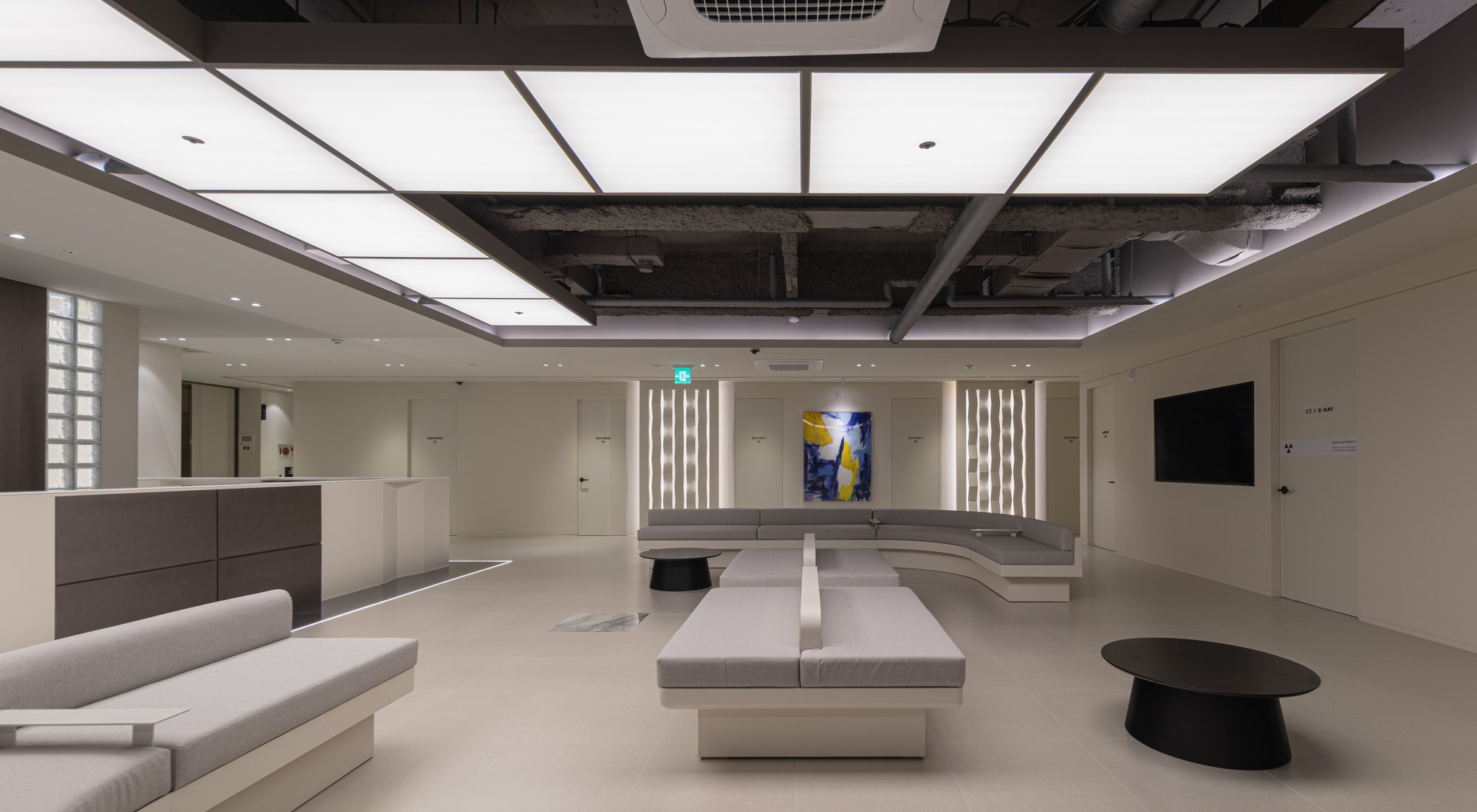
Clinic Tier and Location

Premium clinics in Gangnam, Seoul — the epicenter of Korean aesthetic medicine — operate with higher overhead costs and charge accordingly. That said, mid-tier clinics in the same area can deliver excellent results at lower price points. Clinics outside Seoul, such as those in Busan or Daegu, may be 20–30% cheaper but typically have less experience with international patients.

Type of Implant or Graft Material

The choice between a silicone implant, Gore-Tex implant, or autologous cartilage (harvested from the ear or rib) significantly impacts both cost and outcome. Autologous rib cartilage rhinoplasty, considered the gold standard for complex cases, is the most expensive option and can add 2,000,000 to 5,000,000 KRW (USD 1,500 to USD 3,700) to the total cost due to the extended surgical time and technique required.

Anesthesia Type

General anesthesia is required for more complex procedures and adds cost compared to local anesthesia with IV sedation. Most standard rhinoplasties in Korea are performed under general anesthesia or deep sedation, and the anesthesiologist’s fee is typically included in the quoted price — but always confirm this.

Hidden Costs International Patients Should Budget For

Understanding the true nose surgery Korea cost means accounting for expenses beyond the surgeon’s fee. International patients should budget for the following additional items:

  • Pre-operative tests: Blood work, ECG, and imaging may cost 200,000–500,000 KRW (USD 150–370)
  • Post-operative medications: Antibiotics, anti-swelling medication, and pain relief — approximately 100,000–300,000 KRW (USD 75–220)
  • Compression splint and care supplies: Usually 50,000–150,000 KRW (USD 37–110)
  • Accommodation in Seoul: Budget 80,000–200,000 KRW per night (USD 60–150) depending on preference
  • Translation and coordination services: Many clinics include a free coordinator, but independent medical tourism agencies charge 200,000–500,000 KRW (USD 150–370)
  • Follow-up consultations: Typically 1–3 follow-up visits are included; additional visits may incur fees

Comparing Korea Nose Surgery Cost to Other Countries

To appreciate the value proposition, consider that rhinoplasty in the United States averages between USD 8,000 and USD 15,000 when including all fees. In the United Kingdom, costs range from GBP 5,000 to GBP 10,000. In Australia, patients often pay AUD 10,000 to AUD 18,000. Korea’s pricing — even at the premium end — represents savings of 40–70% compared to these markets, while surgical quality remains world-class.

How to Choose the Right Clinic for Your Budget

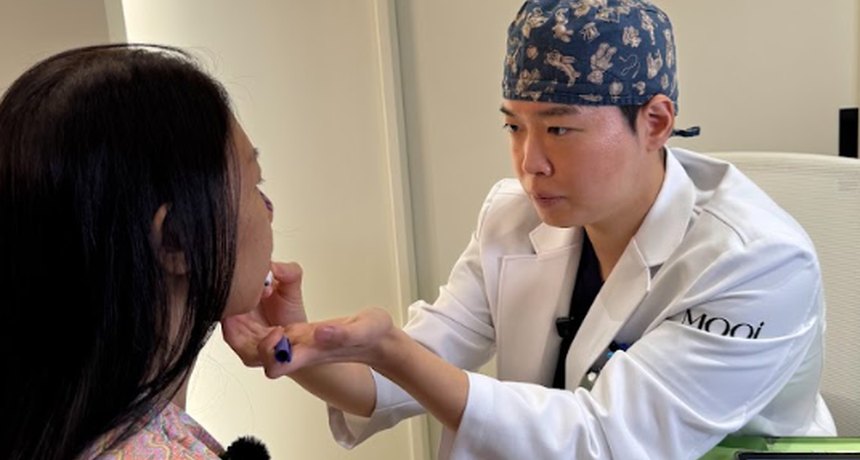
Verify Surgeon Credentials

Ensure your surgeon is a board-certified plastic surgeon in Korea (certified by the Korean Society of Plastic and Reconstructive Surgeons). Many top surgeons also hold fellowship training from the US or Europe.

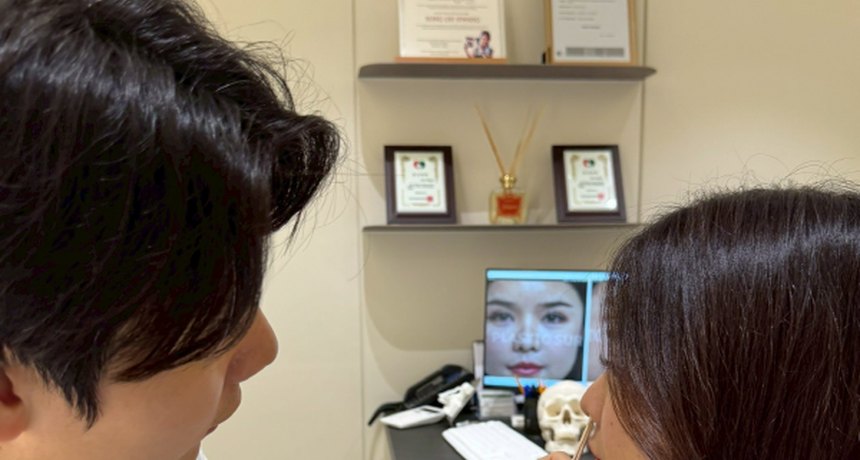
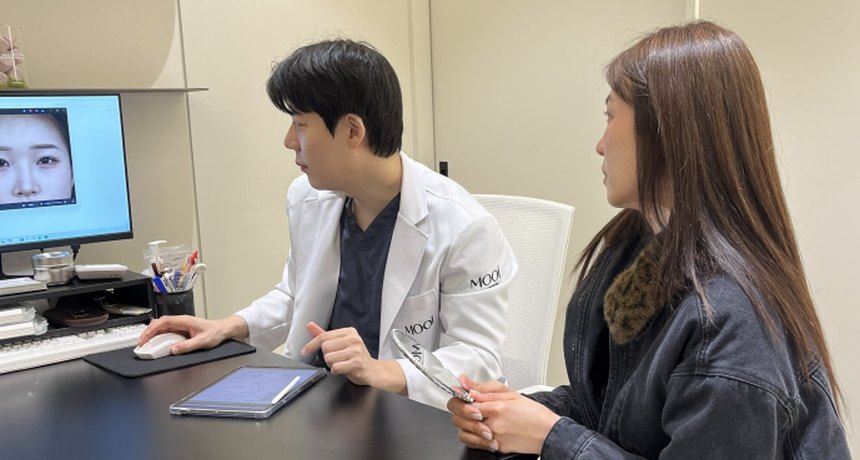
Request Itemized Quotations

Always ask for a fully itemized quote that separates the surgeon’s fee, anesthesia fee, facility fee, implant cost, and follow-up care. This prevents unpleasant surprises on the day of surgery.

Review Before-and-After Portfolios

A reputable clinic will provide an extensive portfolio of real patient results. For international patients, look for examples on faces similar to your own ethnic background and aesthetic goals.

Use Accredited Medical Tourism Platforms

Platforms that vet clinics for safety standards, English-language support, and transparent pricing add an important layer of accountability for patients traveling from abroad.

Related Articles

For more in-depth information to support your planning, explore these helpful resources:
Best Rhinoplasty Clinics in Korea
Korea Nose Surgery Guide for International Patients

Frequently Asked Questions (FAQ)

1. What is the average total cost of nose surgery in Korea for an international patient?

For most international patients, the all-inclusive cost — including surgery, accommodation for 7–10 days, medications, and local transport — falls between USD 4,000 and USD 9,000 for a standard rhinoplasty. Complex revision cases or rib cartilage procedures can push this to USD 12,000–16,000 when all expenses are factored in.

2. Is nose surgery in Korea safe for international patients?

Yes, provided you choose an accredited clinic with a board-certified surgeon. Korea’s Ministry of Health and Welfare regulates medical facilities strictly. Complication rates at top-tier Korean rhinoplasty clinics are comparable to or lower than global averages, and clinics experienced with international patients have robust protocols for post-operative care and emergency support.

3. How long do I need to stay in Korea after nose surgery?

Most surgeons recommend staying in Korea for a minimum of 7–10 days post-operation. The nasal splint is typically removed on day 7, and the surgeon will conduct a follow-up assessment before clearing you to fly. Some patients prefer to stay 14 days for additional peace of mind.

4. Are there financing options available for nose surgery in Korea?

Some larger clinics offer installment payment plans for domestic patients, but most international patients are expected to pay in full before or on the day of surgery. Credit cards (Visa, Mastercard) are widely accepted. Some patients use medical tourism financing services from their home country. Always confirm payment methods with your clinic’s coordinator well in advance.

5. Does the quoted price include revision if I am unhappy with my results?

Revision policies vary by clinic. Many reputable clinics offer a complimentary minor revision within 6–12 months if the result deviates significantly from the agreed surgical plan. Major revisions due to patient preference changes are generally charged separately. Always obtain the revision policy in writing before signing your consent forms.

Leave a Comment