Why Korea Is the Global Leader in Nose Surgery
When international patients search for the best nose surgery Korea clinic, they are tapping into a medical tourism ecosystem that has been refined over decades. South Korea performs more rhinoplasty procedures per capita than almost any other country in the world. According to the International Society of Aesthetic Plastic Surgery (ISAPS), South Korea consistently ranks in the global top three for cosmetic surgical procedures, with rhinoplasty being among the most requested operations performed on foreign patients.
The combination of highly trained surgeons, state-of-the-art technology, competitive pricing, and a deeply ingrained aesthetic culture makes Korea an unmatched destination for nose surgery. Clinics in Seoul’s Gangnam district alone host hundreds of board-certified plastic surgeons who have collectively performed tens of thousands of rhinoplasty procedures. For patients traveling from the United States, Australia, Southeast Asia, or the Middle East, the quality-to-cost ratio is simply unbeatable.
What Makes a Clinic the “Best” in Korea?
Surgeon Credentials and Specialization
Not all plastic surgery clinics are created equal. The best nose surgery Korea clinic will have surgeons who are board-certified by the Korean Society of Plastic and Reconstructive Surgeons (KSPRS) or the Korean Society of Aesthetic Plastic Surgery (KSAPS). Beyond certification, look for surgeons who specialize exclusively or predominantly in rhinoplasty, as nose surgery requires a unique blend of artistic vision and technical precision.
Top-tier surgeons in Korea often complete additional fellowship training in rhinoplasty and have published academic research in peer-reviewed journals. Dr. Kim Byung-gun, a frequently cited expert in Korean aesthetic medicine, has noted: “The nose is the architectural center of the face. A rhinoplasty surgeon must understand not only anatomy but harmony — how every millimeter of change affects overall facial balance.”
Before-and-After Portfolio Quality
A trustworthy clinic will maintain an extensive, transparent before-and-after photo gallery. When reviewing portfolios, look for cases that match your own ethnic background and facial structure. Korean clinics are particularly skilled in procedures that preserve or enhance Asian facial features, including augmentation rhinoplasty using silicone implants or rib cartilage, tip refinement, and alar base reduction.
International Patient Support Services
The best clinics for overseas patients will offer multilingual coordinators (English, Chinese, Arabic, and more), assistance with visa documentation, airport pickup, accommodation partnerships, and post-operative telemedicine consultations. This support infrastructure is critical for patients who must return home before completing their full recovery.
Top Clinic Characteristics to Look For in 2026
Advanced Surgical Techniques
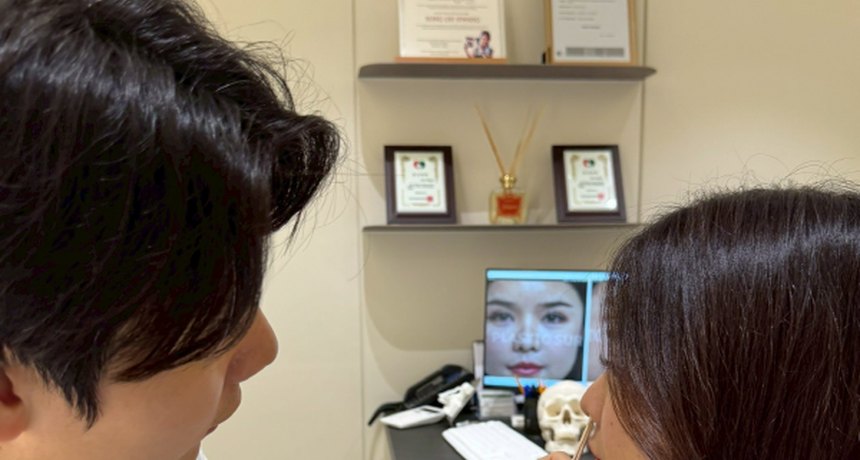
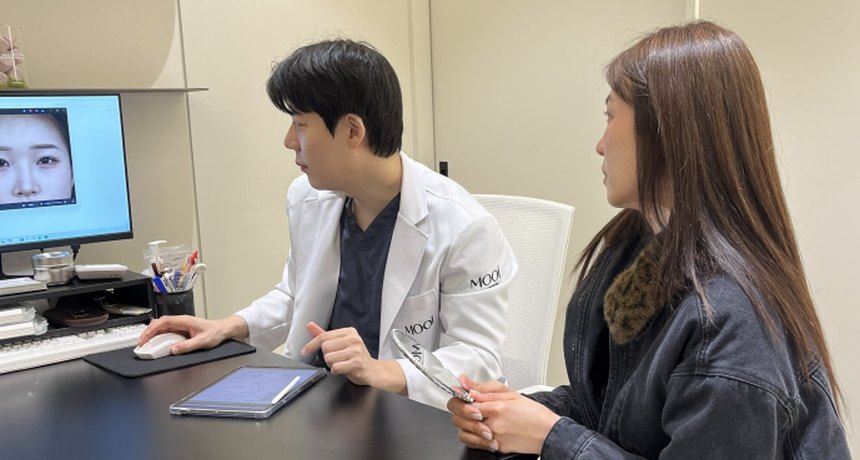
Leading clinics in Korea utilize the latest rhinoplasty techniques, including the closed rhinoplasty approach (no external scarring), structural grafting using autologous rib or ear cartilage, and ultrasonic rhinoplasty for precise bone work. Many clinics also offer 3D imaging simulations so patients can visualize potential results before committing to surgery.
Accreditation and Safety Standards
Look for clinics accredited by the Korea Healthcare Accreditation Agency (KOIHA) or international bodies such as JCI (Joint Commission International). These accreditations ensure that the facility meets rigorous standards for patient safety, sterility, emergency protocols, and surgical outcomes tracking.
Transparent Pricing with No Hidden Fees
Reputable clinics provide itemized cost breakdowns that include surgeon fees, anesthesia, facility use, post-operative medications, and follow-up appointments. Vague pricing is a red flag. Always request a comprehensive quote during your consultation.
Nose Surgery Cost Ranges in Korea (2026)
One of the most compelling reasons international patients choose Korea is the cost advantage. Below are approximate price ranges for common rhinoplasty procedures:
- Simple Augmentation Rhinoplasty (implant-based): ₩2,000,000 – ₩4,500,000 (approximately $1,450 – $3,300 USD)
- Tip Plasty (tip refinement only): ₩1,500,000 – ₩3,000,000 (approximately $1,100 – $2,200 USD)
- Full Open Rhinoplasty: ₩5,000,000 – ₩10,000,000 (approximately $3,650 – $7,300 USD)
- Revision Rhinoplasty: ₩8,000,000 – ₩18,000,000 (approximately $5,850 – $13,150 USD)
- Rib Cartilage Rhinoplasty: ₩9,000,000 – ₩15,000,000 (approximately $6,600 – $11,000 USD)
These figures are significantly lower than equivalent procedures in the United States, where a full rhinoplasty can cost between $8,000 and $15,000 USD, or in the United Kingdom, where prices often exceed £7,000. Even factoring in flights and accommodation, many international patients save 40–60% by choosing Korea.
The Consultation Process at Leading Korean Clinics
Online Pre-Consultation
Most top clinics now offer virtual consultations before your trip. Patients submit photos (front, side, and three-quarter profile), complete a medical history form, and receive an initial assessment from the surgeon or a senior coordinator. This step helps patients understand what is realistically achievable and allows surgeons to prepare a personalized surgical plan.
In-Person Consultation in Seoul
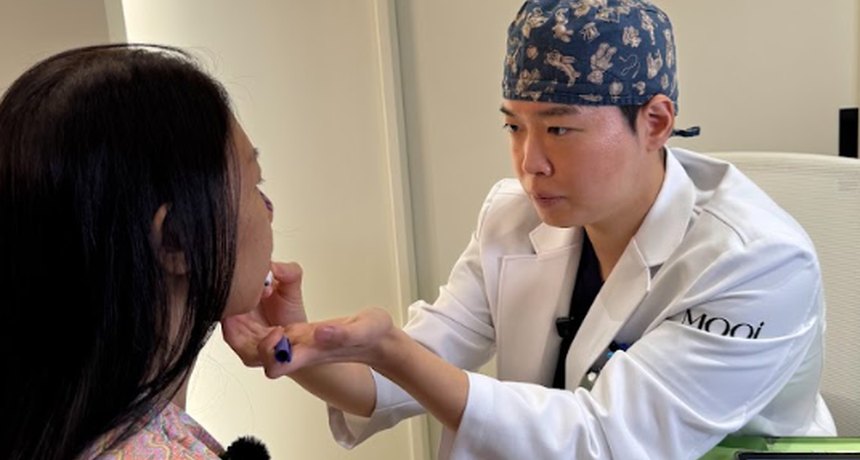
Upon arrival, patients undergo a face-to-face consultation that typically includes 3D facial scanning, skin and cartilage assessment, discussion of surgical goals, and a full review of the procedure, risks, and recovery timeline. The best clinics never rush this process — a thorough consultation is a hallmark of quality care.
Recovery and Aftercare for International Patients
Recovery from rhinoplasty in Korea typically involves a hospital stay of several hours post-surgery, followed by 7–10 days in Seoul before flying home. Swelling and bruising are normal in the first two weeks, with most patients returning to work or social activities after 10–14 days. Full results, including complete resolution of swelling, can take 6–12 months.
The best clinics provide:
- Daily check-up appointments in the first week
- Emergency contact lines for 24/7 support
- Detailed aftercare kits with medications and wound care instructions
- Telemedicine follow-up appointments for patients who have returned home
Red Flags to Avoid When Choosing a Clinic
While Korea’s medical standards are high, not every clinic delivers on its promises. Avoid clinics that pressure you to book immediately, cannot provide verifiable surgeon credentials, show inconsistent or heavily edited before-and-after photos, or offer prices dramatically lower than the market range with no explanation. Always read independent reviews on platforms like RealSelf, Google Reviews, and dedicated medical tourism forums.
Related Articles
For more in-depth information to help you plan your rhinoplasty journey in Korea, explore these resources:
- Nose Surgery Korea Cost Guide: Full Pricing Breakdown
- Best Rhinoplasty Korea: Surgeons and Clinics Compared
- Korea Nose Surgery Guide for International Patients
- Nose Surgery Korea: The Complete Guide
Frequently Asked Questions (FAQ)
1. How do I find the best nose surgery Korea clinic as an international patient?
Start by researching clinics with board-certified rhinoplasty specialists, strong multilingual support, and a verified portfolio of international patient cases. Schedule virtual consultations with at least two or three clinics before booking flights. Reading independent reviews and using reputable medical tourism platforms can also help you validate your shortlist.
2. Is nose surgery in Korea safe for foreign patients?
Yes, when performed at accredited facilities by qualified surgeons, rhinoplasty in Korea is very safe. Korea’s medical system is world-class, and many top clinics serve thousands of international patients annually without major complications. Ensure the clinic has KOIHA or JCI accreditation and request information about their safety protocols and complication rates.
3. How long do I need to stay in Korea after my nose surgery?
Most surgeons recommend staying in Korea for at least 7 to 10 days post-surgery. This allows for the initial swelling and bruising to stabilize and for essential follow-up appointments, including splint or cast removal. Flying before this period may increase the risk of complications related to cabin pressure and reduced access to medical care.
4. Can I get a revision rhinoplasty at a Korean clinic if I had my original surgery elsewhere?
Absolutely. Korean clinics are globally recognized for their expertise in revision rhinoplasty. Many patients travel specifically to Korea to correct unsatisfactory results from surgeries performed in other countries. Revision procedures are more complex and costly, so choosing a surgeon with specialized revision experience is especially important.
5. What payment methods are accepted at Korean rhinoplasty clinics?
Most top clinics accept international credit cards, wire transfers, and some cryptocurrency payments. Deposits are often required to confirm surgical bookings, with the balance paid upon arrival. Always request a detailed written quote and payment receipt. Avoid clinics that only accept cash with no formal documentation.