Why Foreigners Choose Korea for Nose Surgery
Korea has earned its reputation as the global capital of rhinoplasty. Every year, tens of thousands of international patients travel to Seoul specifically for nose surgery, drawn by world-class surgeons, advanced techniques, and competitive pricing. According to the Korean Tourism Organization, medical tourism to Korea surpassed 600,000 visitors in 2023, with plastic surgery — particularly rhinoplasty — ranking among the top requested procedures.
For foreigners considering nose surgery Korea clinics offer a unique combination: surgeons who perform hundreds of rhinoplasty procedures annually, cutting-edge technology, and a cultural aesthetic sensibility that blends natural-looking results with precision. Whether you are seeking a subtle refinement or a significant structural correction, Korea’s medical infrastructure is designed to accommodate international patients at every step.
Types of Nose Surgery Available for International Patients
Augmentation Rhinoplasty
Augmentation rhinoplasty is among the most commonly requested procedures by foreigners visiting Korea. This technique uses implants — typically silicone or Gore-Tex — or autologous cartilage (taken from the ear or rib) to heighten and define the nasal bridge. Korean surgeons are especially renowned for creating naturally elevated bridges that complement diverse facial features, including those of East Asian, Southeast Asian, and Middle Eastern patients.
Tip Plasty
Tip plasty focuses solely on reshaping the tip of the nose. This is ideal for patients who want a more defined, lifted, or refined nasal tip without altering the bridge. Many foreigners opt for tip plasty as a standalone procedure or in combination with augmentation.
Reduction Rhinoplasty
Reduction rhinoplasty reduces the overall size of the nose, narrows wide nostrils, or removes a dorsal hump. This technique is frequently sought by patients from Western countries and the Middle East who desire a more streamlined nasal profile.
Revision Rhinoplasty
Korea is internationally recognized for revision rhinoplasty — correcting unsatisfactory results from previous surgeries performed elsewhere. Revision cases are complex and demand highly experienced surgeons, making Seoul’s top-tier clinics a destination of choice for patients worldwide.
Deviated Septum Correction
Many international patients combine functional corrections such as septoplasty with aesthetic rhinoplasty. Korean clinics are fully equipped to address breathing issues alongside cosmetic goals in a single operation.
How Much Does Nose Surgery in Korea Cost for Foreigners?
Cost is one of the most frequently asked questions from international patients, and Korea offers significant savings compared to the United States, United Kingdom, or Australia without compromising quality.
General Price Ranges
Augmentation rhinoplasty typically ranges from ₩2,500,000 to ₩6,000,000 (approximately $1,800 to $4,500 USD). Tip plasty alone may cost between ₩1,500,000 and ₩3,500,000 ($1,100 to $2,600 USD). Full rhinoplasty combining bridge augmentation and tip refinement generally falls between ₩4,000,000 and ₩9,000,000 ($3,000 to $6,700 USD). Revision rhinoplasty, due to its complexity, can range from ₩6,000,000 to ₩15,000,000 ($4,500 to $11,000 USD).
By comparison, a similar rhinoplasty procedure in the United States typically costs between $7,000 and $15,000 USD, making Korea an exceptionally cost-effective destination even when factoring in travel and accommodation expenses.
What Is Included in the Price?
Most reputable clinics offering nose surgery Korea for foreigners include pre-operative consultations, anesthesia, post-operative care, and follow-up appointments within the quoted price. Some clinics also provide translation services, airport pickup, and accommodation partnerships — perks that make the entire medical journey smoother for international patients.
How to Choose the Right Clinic in Korea as a Foreigner
Board Certification and Surgical Experience
Always verify that your surgeon is board-certified by the Korean Society of Plastic and Reconstructive Surgeons (KSAPS) or the Korean Association of Plastic Surgeons. Experience matters — look for surgeons who perform at least 200 rhinoplasty procedures annually and can demonstrate a comprehensive before-and-after portfolio specific to your nose type.
International Patient Services
A clinic well-suited for foreigners will have dedicated international patient coordinators who speak English, Chinese, Arabic, or other languages. They should be able to assist with visa letters, coordinate consultations via video call before your arrival, and provide detailed written care instructions in your language.
Transparent Communication and Realistic Expectations
Reputable clinics will never guarantee specific outcomes. During consultations — whether in-person or online — surgeons should discuss realistic expectations, potential risks, and recovery timelines openly. Be cautious of any clinic that provides unusually low quotes without a thorough evaluation.
Accreditation and Reviews
Look for clinics accredited by the Korean Healthcare Accreditation Agency (KOIHA) or international bodies like JCI. Patient reviews from verified international visitors on platforms such as RealSelf, Google, and Naver can provide invaluable firsthand insight.
The Step-by-Step Process for Foreigners Getting Nose Surgery in Korea
Step 1: Online Consultation
Most clinics now offer virtual consultations where you can share photos and discuss your goals before booking flights. This is an essential first step for international patients.
Step 2: Arrival and In-Person Consultation
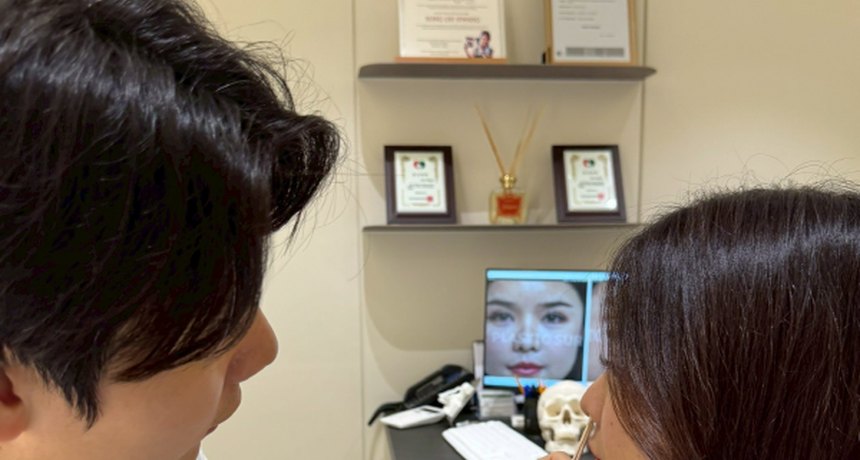
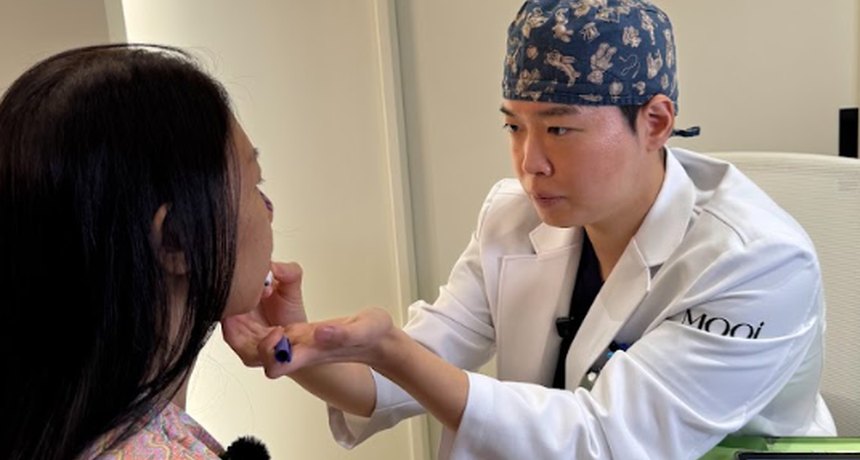
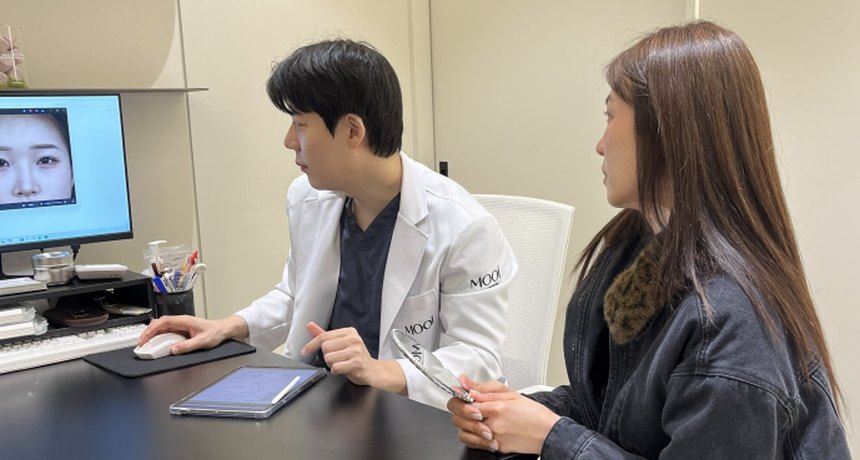
Upon arriving in Seoul, you will meet your surgeon in person for a detailed examination. The surgeon will assess your nasal structure, skin thickness, and cartilage framework before finalizing the surgical plan.
Step 3: Surgery Day
Most rhinoplasty procedures take between one and three hours under general anesthesia or IV sedation. The procedure is performed on an outpatient basis in most cases, allowing you to return to your accommodation the same day.
Step 4: Recovery in Korea
It is strongly recommended that foreign patients remain in Korea for at least 7 to 10 days post-surgery for follow-up care and splint removal. Swelling and bruising are normal during this period. Many patients choose to stay in Gangnam, the medical district of Seoul, where clinics, pharmacies, and recovery-friendly guesthouses are all within walking distance.
Step 5: Returning Home and Long-Term Follow-Up
After returning home, most clinics provide remote follow-up support for several months. Final results of rhinoplasty typically become fully visible six months to one year after surgery as residual swelling subsides.
Safety Considerations for International Patients
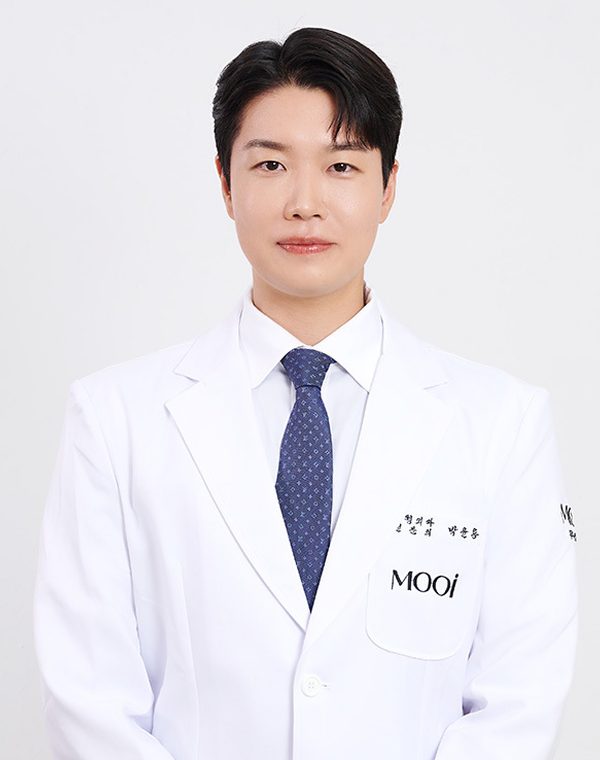
Patient safety is paramount. Dr. Ji-hoon Park, a Seoul-based board-certified plastic surgeon, notes: “Foreign patients should never rush the consultation process. Understanding your anatomy and communicating your aesthetic goals clearly is the foundation of a successful rhinoplasty outcome.”
Ensure your clinic conducts thorough pre-operative blood work and medical screening. Disclose all medications, supplements, and medical history to avoid complications. Korea’s hospitals meet internationally recognized standards for sterilization, anesthesia monitoring, and emergency protocols.
Related Articles
For more information to help plan your journey, explore these helpful resources:
- Best Nose Surgery Clinics in Korea: Top Picks for 2026
- Nose Surgery Korea Cost Guide: Full Price Breakdown
- Korea Nose Surgery Guide for International Patients
Frequently Asked Questions
Do I need a visa to get nose surgery in Korea as a foreigner?
Most nationalities can enter South Korea on a short-term tourist visa or visa-free entry for stays up to 30 or 90 days, which is sufficient for surgery and initial recovery. Your clinic can provide a medical visa invitation letter if required by your home country’s immigration rules.
How long do I need to stay in Korea after nose surgery?
A minimum stay of 7 to 10 days is recommended. This allows time for your post-operative check-up, splint removal (usually on day 7), and initial monitoring of healing. Some patients with more complex procedures may be advised to stay up to two weeks.
Will the results look natural on a non-Asian face?
Yes. Experienced Korean surgeons routinely operate on patients of diverse ethnic backgrounds. They customize the surgical plan based on your individual facial proportions, bone structure, and aesthetic preferences to ensure results that look natural and harmonious regardless of your ethnicity.
Is it safe to fly after nose surgery in Korea?
Most surgeons advise waiting at least 7 to 10 days before flying to minimize risks such as swelling and pressure changes. Long-haul flights should be taken in a semi-upright position to reduce facial swelling.
What happens if I experience complications after returning home?
Reputable clinics provide remote post-operative support via email, phone, or video consultation. They can also coordinate with a local physician in your country if needed. Choosing a clinic with strong international patient aftercare policies is essential before committing to surgery abroad.