Nose Surgery Korea Before After: What International Patients Need to Know
When considering rhinoplasty abroad, seeing authentic nose surgery Korea before after results is one of the most important steps in your decision-making journey. South Korea has earned its reputation as the global capital of aesthetic medicine, and rhinoplasty — or nose surgery — is one of its most sought-after procedures. Each year, hundreds of thousands of international patients travel to Seoul’s Gangnam district and beyond to undergo transformative procedures backed by world-class surgical expertise.
This comprehensive guide walks you through what real before and after results look like, what drives outcomes, how to evaluate clinics, and what you should realistically expect at every stage of your journey.
Why Korea Leads the World in Rhinoplasty Results
South Korea performs more cosmetic procedures per capita than almost any other country in the world. According to the International Society of Aesthetic Plastic Surgery (ISAPS), Korea consistently ranks among the top five countries globally for rhinoplasty volume. Korean plastic surgeons are trained with an exceptionally high standard of precision, and many complete additional fellowship training in both Eastern and Western aesthetic philosophies.
The result? Surgeons who understand not only the technical anatomy of the nose, but also how to create results that are harmonious, culturally nuanced, and natural-looking — qualities that show up clearly in before and after galleries.
What Sets Korean Rhinoplasty Aesthetics Apart
Korean surgeons are known for their meticulous attention to facial balance. Rather than applying a one-size-fits-all approach, they tailor each procedure to the patient’s facial structure, ethnicity, and desired outcome. Common goals seen in nose surgery Korea before after comparisons include:
- Dorsal hump reduction for a smoother nose bridge profile
- Tip refinement for a more defined and lifted appearance
- Alar base reduction to narrow wide nostrils
- Bridge augmentation using silicone implants or rib/ear cartilage
- Deviated septum correction combined with aesthetic improvement
Understanding Before and After Rhinoplasty Photos in Korea
Before and after photos are a critical tool when evaluating surgeons and clinics. However, not all galleries are created equal. Here’s how to interpret them effectively as an international patient.
What Good Before and After Photos Show
Authentic Korean rhinoplasty galleries typically include multiple angles — frontal, lateral (side profile), and base view (looking up at the nose). This three-dimensional perspective gives you a much more accurate sense of the actual transformation. Red flags include galleries with only one angle, heavy filtering, or inconsistent lighting between before and after shots.
Dr. Park Sang-hoon, a board-certified plastic surgeon in Seoul’s Gangnam district, explains: “A well-documented before and after portfolio should demonstrate consistency across dozens of cases, not just showcase the most dramatic transformations. Patients should look for cases that resemble their own anatomy.”
Typical Results by Procedure Type
Here is a breakdown of what patients commonly see in before and after comparisons depending on their procedure:
- Bridge augmentation: A noticeably higher, more defined nose bridge with a natural shadow line — highly popular among East Asian patients.
- Tip plasty: A more refined, less bulbous nasal tip that projects slightly upward for a youthful appearance.
- Revision rhinoplasty: Correction of asymmetry, contracture, or unsatisfactory results from previous surgeries. These cases require advanced skill and often show dramatic improvement.
- Ethnic rhinoplasty: Results that respect the patient’s ethnic identity while achieving aesthetic harmony — increasingly sought by patients from Southeast Asia, the Middle East, and Western countries.
Recovery Timeline and When You’ll See Final Results
Understanding the recovery timeline is essential for interpreting before and after photos accurately. Many clinics photograph results at different stages, and it’s important to know what’s realistic at each point.
Week-by-Week Recovery Overview
- Days 1–7: Swelling and bruising are at their peak. Splint is worn on the nose. This is the most dramatic-looking stage and is not reflective of the final result.
- Weeks 2–3: Visible bruising subsides significantly. Most patients are comfortable returning to light daily activities. About 60–70% of swelling resolves.
- Month 1–3: The nose begins to take its refined shape. This is when many clinics take their “after” photos for before and after galleries.
- Month 6–12: Final results emerge as residual swelling fully resolves, particularly at the nasal tip. Skin thickness plays a major role — thicker skin may take longer to show full definition.
Cost of Rhinoplasty in Korea: What to Budget For
One of the key reasons international patients choose Korea is the combination of high quality and competitive pricing. Below are approximate price ranges for common rhinoplasty procedures in Seoul:
- Tip plasty only: ₩1,500,000–₩3,000,000 (approximately $1,100–$2,200 USD)
- Bridge augmentation (implant): ₩2,500,000–₩5,000,000 (approximately $1,800–$3,700 USD)
- Full primary rhinoplasty: ₩4,000,000–₩10,000,000 (approximately $2,900–$7,400 USD)
- Revision rhinoplasty: ₩8,000,000–₩20,000,000+ (approximately $5,900–$14,700 USD)
These prices typically include anesthesia, operating room fees, and follow-up consultations. Always confirm what’s included in the quoted price before committing to any clinic.
How to Choose a Clinic Based on Before and After Results
Not every clinic that posts before and after images online is trustworthy. Here are key criteria for evaluating clinics using their rhinoplasty portfolios:
Red Flags to Watch For
- Watermarked images that can’t be verified as belonging to the clinic
- Inconsistent patient demographics in the gallery (e.g., all results look the same ethnicity despite diverse clientele)
- No gallery for revision cases or complication management
- Excessive use of filters or retouching in after photos
Green Flags That Signal a Trustworthy Clinic
- Before and after photos taken at the same angles, lighting, and distance
- Diverse case gallery including different ethnicities, nose shapes, and ages
- Surgeon-specific galleries (not generic clinic results)
- Transparency about recovery timeline in photo captions
- Patient testimonials matched to specific before and after cases
Tips for International Patients Planning a Rhinoplasty Trip to Korea
If you’re an international patient ready to pursue nose surgery Korea before after results of your own, here’s how to plan effectively:
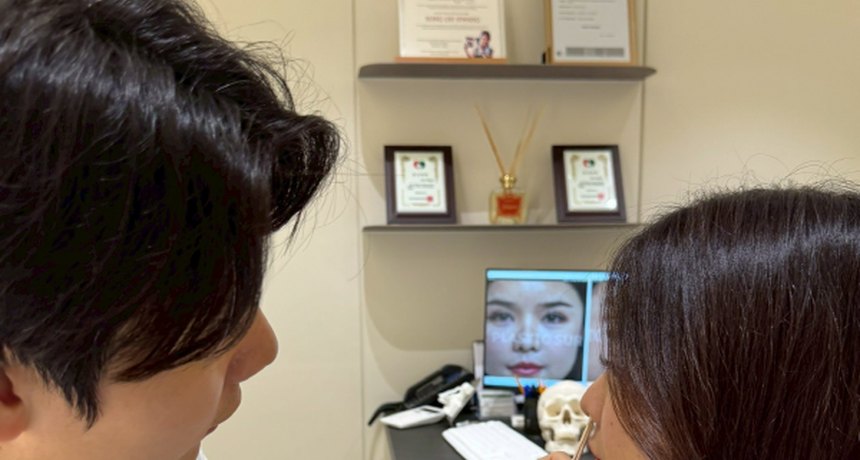
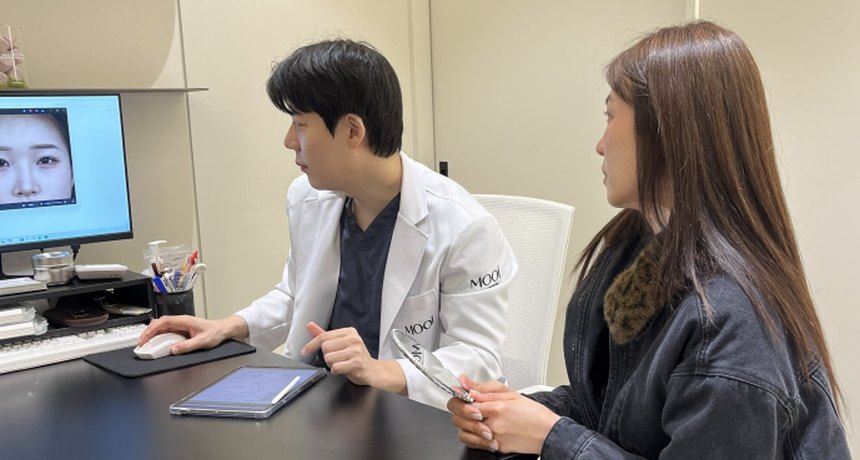
- Book a virtual consultation first: Most reputable Seoul clinics now offer English-language virtual consultations where you can share your photos and discuss goals before traveling.
- Plan for at least 2–3 weeks in Korea: This allows time for pre-op assessments, surgery, initial recovery, and a follow-up appointment before departure.
- Use medical tourism facilitators: Many agencies specialize in Korean medical tourism and can assist with clinic matching, translation, accommodation, and logistics.
- Understand aftercare requirements: Ask your clinic about post-op care instructions, especially if you’ll be flying home within two weeks of surgery.
Related Articles
For more information to support your research, explore these resources:
- Nose Surgery Korea for Foreigners: Complete Guide
- Best Nose Surgery Clinics in Korea
- Nose Surgery Korea Cost Guide
- Korea Nose Surgery Guide for International Patients
Frequently Asked Questions (FAQ)
1. How long after nose surgery in Korea can I see my final results?
Most patients see approximately 70–80% of their final result within the first three months. Full results, particularly at the nasal tip, typically emerge between 6 to 12 months post-surgery as all residual swelling resolves.
2. Are nose surgery Korea before and after photos on clinic websites authentic?
Reputable clinics in Korea use photos taken directly from their patient cases. It’s advisable to request to see surgeon-specific portfolios during your consultation and verify consistency in photographic standards across the gallery.
3. What is the most popular type of rhinoplasty in Korea for international patients?
Bridge augmentation combined with tip plasty is one of the most commonly requested procedures by international patients, particularly those from Southeast Asia and the Middle East. Caucasian patients frequently request dorsal hump reduction and tip refinement.
4. How do I evaluate if a Korean rhinoplasty surgeon is qualified?
Look for board certification from the Korean Society of Plastic and Reconstructive Surgeons (KSAPS) or the Korean Association of Aesthetic Plastic Surgeons (KAAPS). Experience specifically in rhinoplasty — ideally over 500 documented cases — is also an important indicator of expertise.
5. Can I fly home shortly after nose surgery in Korea?
Most surgeons recommend staying in Korea for at least 7–14 days after surgery before flying. Long-haul flights carry risks including swelling exacerbation and infection. A follow-up check before departure is strongly advised, and patients should carry their medical documentation when traveling home.