Last Updated: April 2026 | Reviewed by: Korea Medical Tourism Editorial Team
Based on consultations with multiple clinics across Gangnam and Apgujeong, nose surgery in Korea has become one of the most sought-after procedures among international patients, with Seoul alone performing an estimated 200,000 rhinoplasty procedures annually — making South Korea one of the highest per-capita rhinoplasty markets in the world. Whether you are seeking a subtle refinement or a full structural reconstruction, the concentration of specialized surgeons, advanced techniques, and competitive pricing in Korea makes it a compelling destination for patients from across Asia, North America, Europe, and beyond.
Korea’s reputation for rhinoplasty is not built on marketing alone. The country has developed a distinct surgical philosophy that blends aesthetic precision with structural integrity, prioritizing natural-looking results that suit each patient’s facial features. International patients consistently arrive expecting a quick cosmetic fix and leave with a deeper appreciation for the nuanced, medically rigorous approach Korean surgeons apply to every nose surgery consultation. Understanding what to expect — from initial consultation through full recovery — is essential before booking your procedure.
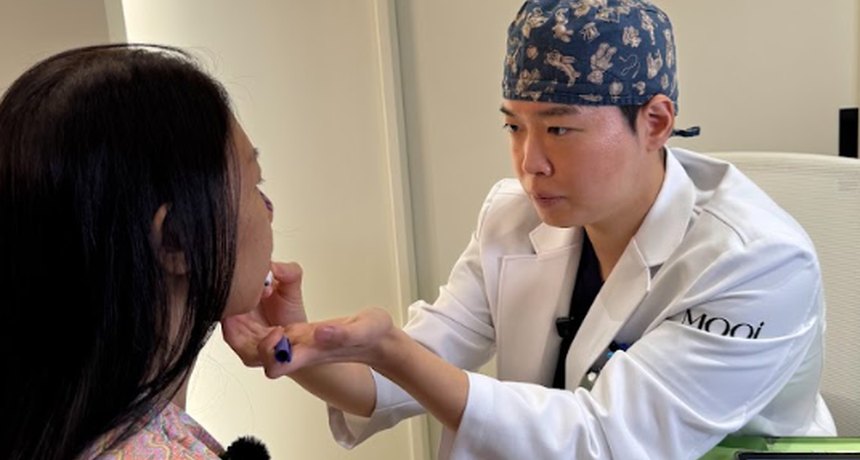
Clinical Perspective: A board-certified plastic surgeon practicing in Gangnam notes: “International patients often underestimate how individualized rhinoplasty truly is in Korea. We assess nasal structure, skin thickness, cartilage strength, and facial harmony before recommending any technique. A procedure that works beautifully for one patient may be entirely inappropriate for another — this is why a thorough in-person consultation is non-negotiable before surgery.”
Types of Nose Surgery Available in Korea
Korean clinics offer a comprehensive range of rhinoplasty procedures, each designed to address specific concerns. Understanding which procedure aligns with your goals is the first step toward a successful outcome.
Augmentation Rhinoplasty
Augmentation rhinoplasty is one of the most commonly requested procedures in Korea, particularly among Asian patients who wish to raise the bridge of the nose. Silicone implants or Gore-Tex materials are frequently used, though surgeons increasingly prefer autologous cartilage — tissue harvested from the patient’s own ear or rib — for a more natural feel and reduced revision risk. This procedure typically takes 1.5 to 2.5 hours under general or IV sedation anesthesia.
Tip Plasty and Refinement
Tip plasty focuses exclusively on reshaping the nasal tip without altering the bridge. This is a popular standalone procedure for patients who find their tip too bulbous, drooping, or asymmetric. Korean surgeons are widely regarded for their expertise in tip refinement, often achieving delicate, natural-looking results that avoid the “operated” appearance some patients fear. Recovery for tip plasty is generally shorter than full rhinoplasty, with most patients resuming normal activities within 7 to 10 days.
Deviated Septum Correction and Functional Rhinoplasty
Many international patients combine cosmetic rhinoplasty with septoplasty to correct breathing difficulties caused by a deviated septum. Korean clinics are well-equipped to handle both functional and aesthetic goals within a single surgical session. According to the American Society of Plastic Surgeons, combining procedures when clinically appropriate can reduce overall recovery time and surgical risk compared to two separate operations.
Revision Rhinoplasty
Revision rhinoplasty — correcting unsatisfactory results from a previous nose surgery — is a highly specialized field where Korean surgeons have built a strong international reputation. Patients traveling to Korea specifically for revision procedures represent a significant and growing segment of medical tourists. These cases are more complex, typically requiring rib cartilage grafts and longer surgical times of 3 to 5 hours.
Nose Surgery Korea: Cost Breakdown in KRW and USD
One of the strongest motivators for international patients is the significant cost advantage Korea offers without compromising on quality. Prices vary depending on the clinic tier, surgeon experience, and the complexity of the procedure. For reference, exchange rates used below reflect approximate April 2026 values.
Standard Procedure Price Ranges
Augmentation rhinoplasty (bridge raising with implant) typically costs between ₩2,500,000 and ₩5,000,000 (approximately USD 1,850 to USD 3,700). Tip plasty alone ranges from ₩1,800,000 to ₩3,500,000 (approximately USD 1,330 to USD 2,590). A full rhinoplasty combining bridge work, tip refinement, and structural support using autologous cartilage is priced between ₩5,000,000 and ₩12,000,000 (approximately USD 3,700 to USD 8,900). Revision rhinoplasty, due to its complexity, starts at ₩8,000,000 and can reach ₩20,000,000 or more (approximately USD 5,900 to USD 14,800) at premium Gangnam clinics.
What Is Included in the Quoted Price?
Most reputable clinics in Korea include pre-operative consultations, anesthesia fees, and basic post-operative care visits within the quoted surgery price. Some clinics also provide English-language coordinators, accommodation referrals, and translation services at no additional charge. Always confirm in writing what is and is not included before signing any agreement. The Asan Medical Center provides published guidelines on what constitutes transparent medical pricing, which can serve as a useful benchmark when evaluating clinic quotes.
Recovery Timeline and What to Expect After Nose Surgery in Korea
Understanding recovery is critical for international patients who must plan flights, accommodation, and time away from work well in advance. Korean surgeons generally recommend staying in Seoul for a minimum of 10 to 14 days following rhinoplasty to attend post-operative check-ups and ensure early healing is progressing properly.
Week-by-Week Recovery Guide
During the first week, patients can expect significant swelling, bruising around the eyes and nose, and mild to moderate discomfort managed with prescribed pain medication. A nasal splint is typically worn for 7 to 10 days. By the end of week two, bruising substantially fades and most patients feel comfortable enough to fly home, though the nose will still appear swollen. At the one-month mark, roughly 60 to 70 percent of swelling has subsided and patients can return to light exercise. Full refinement of the nasal shape, particularly at the tip, can take 6 to 12 months as residual swelling gradually resolves.
Activity Restrictions During Recovery
Patients should avoid strenuous exercise, swimming, and any contact sports for a minimum of four to six weeks post-surgery. Sun exposure to the nose should be minimized for three months to prevent pigmentation changes. Glasses wearers must avoid resting frames on the nose bridge for at least six weeks; clinics often provide tape-based alternatives during this period.
Choosing the Right Clinic for Nose Surgery in Korea
With hundreds of plastic surgery clinics operating in Seoul, particularly concentrated in the Gangnam and Apgujeong districts, selecting the right clinic requires careful due diligence. Clinic marketing can be persuasive, but a few core criteria reliably indicate surgical quality and patient safety standards.
Surgeon Credentials and Specialization
Always verify that your surgeon holds board certification from the Korean Society of Plastic and Reconstructive Surgeons or the Korean Association of Aesthetic Plastic Surgeons. Surgeons who specialize exclusively or primarily in rhinoplasty will have higher case volumes and more refined technique than generalist plastic surgeons. Ask directly how many rhinoplasty procedures the surgeon performs per month.
Consultation Quality as a Quality Signal
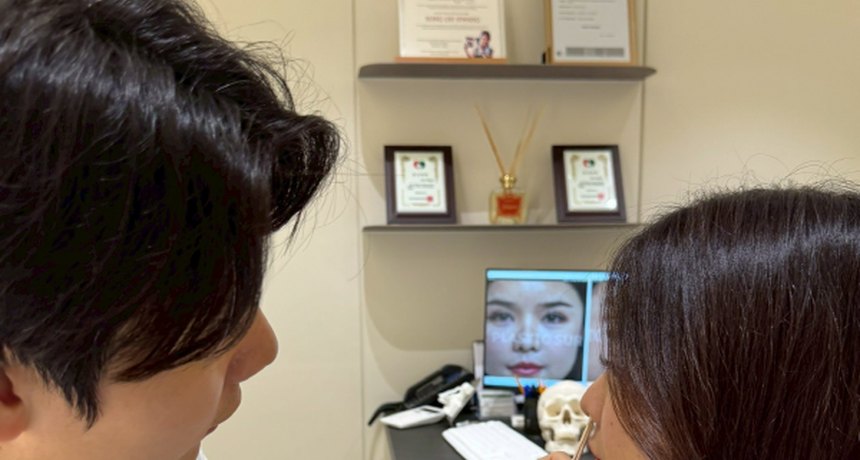
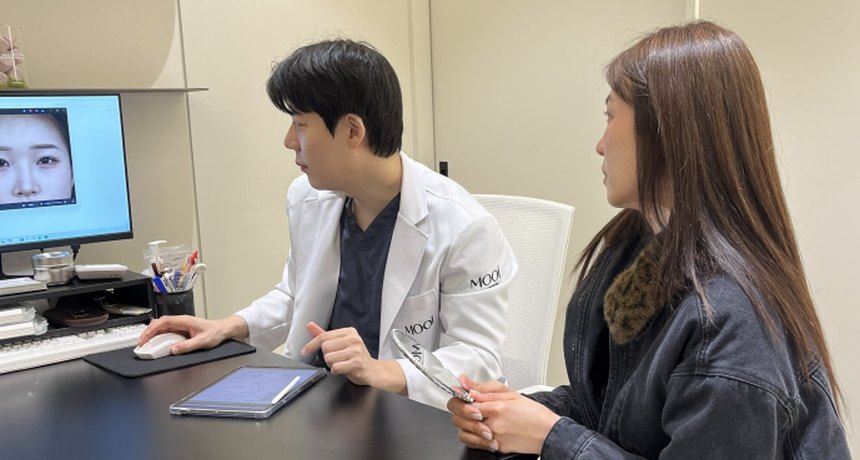
A high-quality clinic will invest significant time in your initial consultation — typically 30 to 60 minutes — reviewing your goals, conducting a structural nasal assessment, and presenting a realistic treatment plan. Be cautious of clinics that offer immediate pricing without a thorough consultation, or that pressure you to book surgery on the same day as your first meeting.
What to Know Before You Book
Clinics we contacted confirmed that international patients benefit most from scheduling their in-person or virtual consultation at least four to six weeks before their planned travel date to allow adequate time for pre-operative medical clearance. Based on our research across multiple Gangnam clinics, it is standard practice for clinics to request blood work and a medical history form before confirming surgery eligibility. Clinics we contacted also confirmed that patients with previous rhinoplasty procedures should bring all available records, including operative notes and implant details, as this information is critical for revision planning. Based on our research, patients who book through official clinic channels rather than third-party brokers often receive more transparent pricing and stronger post-operative support. Finally, always confirm the clinic’s policy on revision procedures — reputable clinics will clearly outline the conditions under which minor touch-ups are offered at reduced or no additional cost within a defined post-operative window.
Frequently Asked Questions
How long do I need to stay in Korea after nose surgery?
Most surgeons recommend staying in Korea for a minimum of 10 to 14 days after rhinoplasty. This allows your surgeon to remove the nasal splint, assess early healing, and address any complications before you travel. Flying too early increases the risk of swelling complications and limits your access to the operating surgeon if concerns arise.
Is nose surgery in Korea safe for foreigners?
Yes, Korea has a robust regulatory framework governing plastic surgery safety standards, overseen by the Korean Ministry of Health and Welfare. Major clinics in Gangnam and Apgujeong routinely treat international patients and are accustomed to providing English-language support, translated consent forms, and post-operative communication via international messaging platforms.
Can I combine nose surgery with other procedures during the same trip?
Many international patients do combine rhinoplasty with other facial procedures such as double eyelid surgery or chin augmentation during the same visit. Your surgeon will advise on whether combining procedures is medically appropriate for your specific case. Recovery from combined procedures generally requires a longer stay of 14 to 21 days in Korea.
What is the difference between Korean rhinoplasty and Western rhinoplasty techniques?
Korean surgeons have developed specialized techniques particularly well-suited to Asian nasal anatomy, which typically features thicker skin, lower nasal bridges, and softer cartilage compared to Caucasian anatomy. While Western rhinoplasty often focuses on reduction, Korean techniques more frequently involve augmentation and structural support using cartilage grafting. Surgeons in Korea are trained in both approaches and assess each patient individually.
How do I verify that a Korean plastic surgery clinic is legitimate?
You can verify a clinic’s registration through the Korea Health Industry Development Institute or request to see the surgeon’s board certification directly. Legitimate clinics will readily provide this documentation. Additionally, reviewing before-and-after galleries, reading verified patient testimonials, and checking whether the clinic is a member of recognized Korean plastic surgery associations are all useful verification steps.
Will my results look natural, or will people be able to tell I had surgery?
The goal of contemporary Korean rhinoplasty is natural-looking, harmonious results that complement your overall facial features rather than drawing attention to the nose itself. Surgeons spend considerable time during consultation reviewing your facial proportions and setting realistic expectations. The “done” look associated with older rhinoplasty techniques is largely avoided by reputable Korean surgeons who prioritize subtle, lasting refinement.
Related Articles
If you found this guide helpful, explore these additional resources for international patients considering nose surgery in Korea:
- Nose Surgery Korea Cost Guide
- Best Rhinoplasty Korea: Top Clinics Compared
- Nose Surgery Korea for Foreigners: What You Need to Know
- Nose Surgery Korea Before and After Gallery
- Nose Surgery Korea vs Thailand: Which Is Right for You?