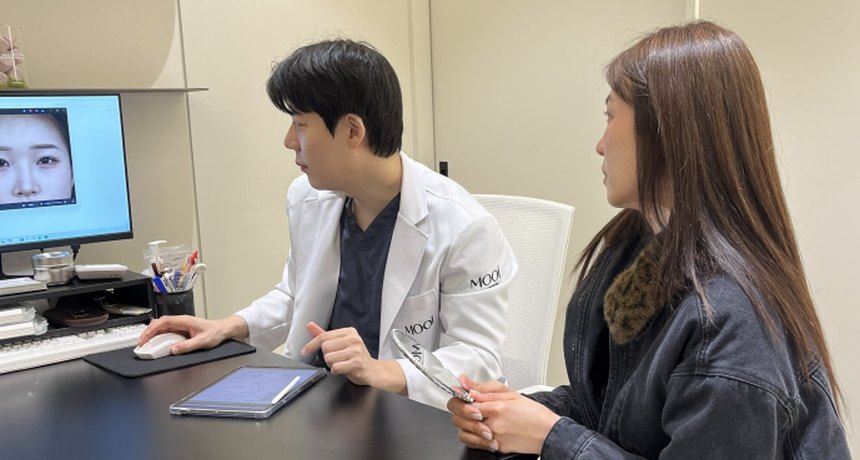
Rhinoplasty Korea Cost: 2026 Complete Price Guide

Last Updated: April 2026  |  Reviewed by: Korea Medical Tourism Editorial Team

Based on consultations with multiple clinics across Gangnam and Apgujeong, rhinoplasty Korea cost varies significantly depending on the complexity of the procedure, the surgeon’s experience, and the specific techniques used — but the savings compared to Western countries remain substantial. In fact, Korea performs over 40,000 rhinoplasty procedures annually on international patients alone, making it the most sought-after destination in Asia for nose surgery, according to data from the Korea Health Industry Development Institute (KHIDI).

For international patients evaluating their options, understanding exactly what drives rhinoplasty costs in Korea is critical before booking a consultation. The Korean cosmetic surgery industry is tightly regulated, highly competitive, and staffed by surgeons who perform rhinoplasty at a volume and specialization level that is difficult to match elsewhere in the world. This guide breaks down every cost factor you need to know, from anesthesia fees to post-operative care, so you can plan your medical trip with confidence and clarity.

Clinical Perspective: A board-certified plastic surgeon practicing in Gangnam notes: “International patients often assume the lower price means lower quality, but the reality is the opposite — Korean surgeons specializing in rhinoplasty operate at very high volumes, which translates to refined technique and more predictable outcomes. The cost difference reflects market competition and lower overhead, not a compromise in care standards.”

Understanding Rhinoplasty Korea Cost: What You’re Actually Paying For

The rhinoplasty Korea cost structure differs meaningfully from what patients experience in the United States, United Kingdom, or Australia. Korean clinics typically bundle several components into a single quoted price, but it’s essential to know what those components are and which items may be billed separately.

Core Procedure Costs

For a standard primary rhinoplasty — meaning your first nose surgery with no prior surgical history — expect to pay between 3,000,000 KRW and 7,000,000 KRW (approximately USD 2,200 to USD 5,100). This range covers augmentation rhinoplasty using silicone or Gore-Tex implants, which is the most commonly requested procedure by international patients seeking a higher nose bridge. Tip refinement surgery, which sculpts the lower third of the nose using cartilage grafts, typically costs between 2,500,000 KRW and 5,000,000 KRW (USD 1,800 to USD 3,700).

Revision and Complex Rhinoplasty Costs

Revision rhinoplasty — procedures performed to correct previous surgeries — commands a significantly higher price. Clinics we contacted confirmed that revision cases start at 7,000,000 KRW (USD 5,100) and can reach 15,000,000 KRW or higher (USD 11,000+) depending on the extent of scar tissue removal, cartilage rebuilding, and structural correction required. Deviated septum correction combined with aesthetic rhinoplasty (functional rhinoplasty) typically falls in the 5,000,000 to 9,000,000 KRW range (USD 3,700 to USD 6,600).

Full Cost Breakdown: What Is and Isn’t Included

One area where international patients frequently encounter confusion is what the quoted rhinoplasty Korea cost actually includes. Korean clinics in Gangnam and Apgujeong follow different bundling practices, so comparing quotes requires careful line-by-line analysis.

Typically Included in the Package Price

Most reputable clinics include anesthesia fees, operating room use, standard follow-up appointments (usually two to three visits within the first two weeks), basic post-operative medication such as antibiotics and anti-inflammatories, and the implant or graft material itself. Some clinics also include a consultation with an English-speaking coordinator as part of the package for international patients.

Often Billed Separately

Pre-operative blood tests and health screenings typically cost between 150,000 and 300,000 KRW (USD 110 to USD 220) and are rarely bundled. If general anesthesia is required rather than local anesthesia with sedation, the premium can add 300,000 to 600,000 KRW (USD 220 to USD 440). Translation services, airport transfers, and accommodation packages offered through clinic partnerships are also additional costs. The American Society of Plastic Surgeons also recommends factoring in the cost of potential complication management when budgeting for any rhinoplasty procedure, a guideline that applies equally to surgeries performed in Korea.

Procedure Timeline and Recovery: Planning Your Korea Trip

Understanding the timeline is just as important as understanding rhinoplasty Korea cost when planning your trip. Arriving in Seoul without enough time for adequate post-operative monitoring is one of the most common mistakes international patients make.

Pre-Surgery Consultation Period

Most clinics recommend arriving at least two to three days before your scheduled surgery to complete pre-operative health checks, have a final consultation with your surgeon, and allow your body to adjust to the time zone. Same-day consultations and surgeries are technically possible but are generally discouraged by experienced clinics for non-emergency cases.

Surgery Day and Hospital Stay

Rhinoplasty surgery itself typically takes one to two hours for primary cases and up to four hours for complex revision procedures. Most patients are discharged on the same day unless general anesthesia complications arise. Swelling and bruising peak between days three and five, which is why clinics strongly recommend staying in Seoul for a minimum of ten to fourteen days post-surgery before flying home.

Recovery Milestones and Long-Term Results

The external nasal splint is removed between seven and ten days after surgery. Approximately 70% of swelling resolves within the first three to four weeks, but full final results — particularly for tip refinement procedures — can take six to twelve months to fully emerge as deeper tissue settles. Patients should plan for at least one to two weeks in Korea, with fourteen days being the widely recommended minimum for international visitors.

How Rhinoplasty Korea Cost Compares Internationally

The value proposition for rhinoplasty in Korea becomes immediately apparent when compared to pricing in other major markets. In the United States, a primary rhinoplasty averages between USD 8,000 and USD 15,000 including surgeon fees, anesthesia, and facility costs. In Australia, comparable procedures range from AUD 12,000 to AUD 20,000. In the United Kingdom, costs sit between GBP 6,000 and GBP 12,000. Korea’s pricing of USD 2,200 to USD 5,100 for the same caliber of procedure — often performed by surgeons with far greater rhinoplasty-specific volume — represents a genuine and defensible cost advantage, not simply a reflection of lower medical standards.

What to Know Before You Book

Before committing to any clinic for your rhinoplasty Korea journey, there are several practical considerations that firsthand research consistently highlights as critical for international patients.

1. Always request an itemized quote. Clinics we contacted confirmed that the most reliable way to compare pricing across Gangnam and Apgujeong clinics is to request a written itemized cost breakdown, not a single lump-sum figure. This reveals whether anesthesia, pre-op tests, and follow-up care are genuinely included.

2. Verify your surgeon’s rhinoplasty case volume. Based on our research across multiple Gangnam clinics, surgeons who specialize exclusively in rhinoplasty and perform over 200 nose surgeries annually consistently deliver more predictable results than general plastic surgeons offering rhinoplasty as one of many procedures.

3. Confirm English-language support throughout your care. Clinics we contacted confirmed that dedicated English coordinators are standard at major international-facing clinics in Gangnam, but smaller or newer clinics may rely on machine translation apps, which can create communication gaps during critical pre- and post-operative instructions.

4. Plan your travel insurance carefully. Standard travel insurance policies often exclude elective cosmetic procedures from complication coverage. Based on our research across multiple clinics, patients should seek policies that explicitly cover medical tourism or purchase separate surgical complication coverage before traveling.

5. Ask about the clinic’s revision policy. Reputable clinics typically offer a defined revision or touch-up policy within a specified period, often six to twelve months, if results do not meet the pre-agreed surgical plan. Clinics we contacted confirmed that revision policies vary widely and should be reviewed in writing before surgery.

Frequently Asked Questions

How much does rhinoplasty in Korea cost on average?

The average rhinoplasty Korea cost for a primary procedure falls between 3,000,000 and 7,000,000 KRW, which is approximately USD 2,200 to USD 5,100 at current exchange rates. Revision or complex rhinoplasty procedures cost significantly more, starting at around 7,000,000 KRW and sometimes exceeding 15,000,000 KRW for extensive reconstruction cases. These figures typically include anesthesia and standard follow-up care at established clinics.

Is rhinoplasty in Korea cheaper than in the US or UK?

Yes, rhinoplasty in Korea is significantly more affordable than in Western countries. US rhinoplasty averages USD 8,000 to USD 15,000, while Korean clinics charge USD 2,200 to USD 5,100 for comparable procedures with equally qualified surgeons. The cost difference is driven by competitive market dynamics in Korea and lower clinic overhead costs, not by differences in care quality or surgeon credentials.

How long do I need to stay in Korea after rhinoplasty?

Most Korean clinics recommend international patients stay for a minimum of ten to fourteen days after rhinoplasty surgery. The nasal splint is removed at the seven to ten day mark, which is an appointment that requires in-person attendance. Flying before this point, or before swelling has partially stabilized, carries increased risk of complications and makes it difficult to assess early results.

Are there hidden costs in rhinoplasty Korea packages?

Hidden costs can include pre-operative blood tests (150,000 to 300,000 KRW), upgraded anesthesia fees (300,000 to 600,000 KRW), translation services, accommodation, and airport transfers. Some clinics offer all-inclusive medical tourism packages that bundle accommodation and transfers, which can simplify budgeting. Always request a written itemized quote before confirming your booking to avoid unexpected charges.

Which area of Seoul has the best rhinoplasty clinics?

Gangnam-gu, particularly the Apgujeong and Sinsa-dong neighborhoods, is the highest concentration area for specialized rhinoplasty clinics in Seoul and arguably in the world. These districts are home to clinics that cater heavily to international patients and employ English-speaking coordinators. While prices in Gangnam can sit at the higher end of the Korean range, the specialization level and international patient infrastructure are unmatched.

Does rhinoplasty Korea cost include cartilage grafts?

In most bundled package quotes from established Gangnam clinics, the cost of cartilage grafts — whether taken from the ear, rib, or nasal septum — is included in the total procedure price. However, if rib cartilage harvesting is required (a more complex surgical step), some clinics apply an additional fee of 500,000 to 1,500,000 KRW. Always clarify whether graft material costs are included before signing a consent form.

Related Articles

If you found this guide helpful, explore these additional resources for international patients considering nose surgery in Korea:

Medical Disclaimer: This article is for informational purposes only and does not constitute medical advice. Always consult a qualified healthcare professional before undergoing any medical procedure. Individual results and recovery times may vary.
About This Guide: Researched and written by the editorial team at Nose Surgery Korea, a resource dedicated to helping international patients navigate Korea medical tourism with accurate, up-to-date information sourced from official Korean health authorities and direct clinic consultations.

Leave a Comment