Last Updated: April 2026 | Reviewed by: Korea Medical Tourism Editorial Team
Based on consultations with multiple clinics across Gangnam and Apgujeong, one of the most consistent priorities international patients raise is achieving a natural-looking result — not an overdone, surgically obvious nose. This concern has driven Korean rhinoplasty surgeons to refine techniques that produce subtle, harmonious outcomes aligned with each patient’s facial structure. In fact, according to data from the Korea Health Industry Development Institute, South Korea performs over 150,000 rhinoplasty procedures annually, making it one of the most rhinoplasty-dense countries per capita in the world — a statistic that underscores the extraordinary level of surgical expertise available.
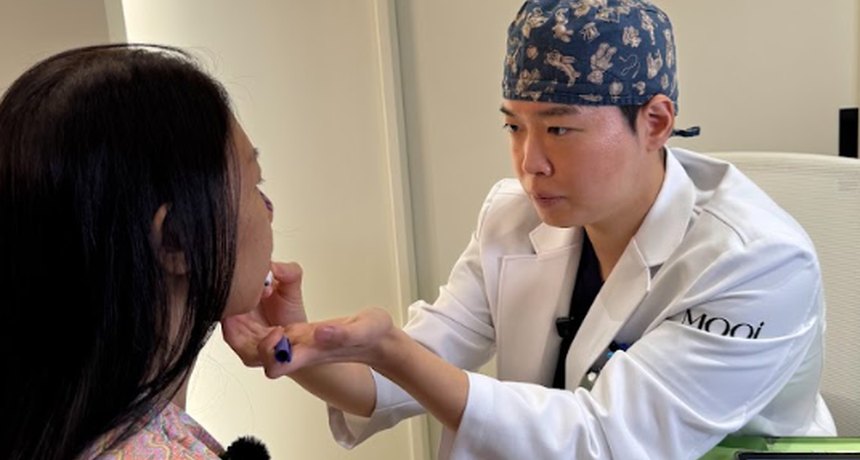
What sets Korean rhinoplasty natural outcomes apart from clinics in other countries is the philosophy itself. Korean surgeons are widely recognized for their emphasis on facial balance and proportion over dramatic transformation. Rather than simply augmenting the nose bridge or reshaping the tip in isolation, Seoul-based surgeons typically evaluate the entire facial canvas — including forehead projection, lip position, and chin profile — before recommending any intervention. This holistic approach is a significant reason why patients from Southeast Asia, North America, and Europe are traveling to Seoul specifically for natural-result rhinoplasty.
Clinical Perspective: A board-certified plastic surgeon practicing in Gangnam notes: “Many international patients arrive expecting a Korean-style nose, but the real goal of natural rhinoplasty is to enhance the patient’s own features without making the surgery visible. We always assess ethnic anatomy first — a nose that looks natural on one patient may look completely out of place on another. Our technique must follow the patient’s baseline, not a template.”
What Makes Korean Rhinoplasty Natural-Looking?
Korean rhinoplasty has evolved significantly over the past two decades. Early approaches often involved placing silicone implants to dramatically raise the nasal bridge, which sometimes led to visible implant edges, skin thinning, and an artificial appearance over time. Modern clinics in Seoul have shifted toward more sophisticated, patient-specific methods that prioritize long-term natural results.
Autologous Cartilage Grafting
One of the most important advances in achieving a natural rhinoplasty outcome in Korea is the use of the patient’s own cartilage — typically harvested from the ear (conchal cartilage) or rib (costal cartilage). Unlike silicone implants, autologous grafts integrate with the body’s tissue, significantly reducing the risk of implant visibility, shifting, or rejection. Clinics we visited in Apgujeong confirmed that rib cartilage rhinoplasty, in particular, has become the gold standard for patients wanting the most natural and durable nasal tip refinement.
Structural Rhinoplasty Techniques
Structural rhinoplasty focuses on reinforcing and reshaping the nasal framework rather than simply adding volume on top of it. Korean surgeons frequently use columellar strut grafts, spreader grafts, and tip suturing techniques that alter the shape from within. The result is a nose that not only looks natural at rest but also moves and responds naturally during facial expressions — a detail that patients often only notice once they’ve experienced it themselves.
Korean Rhinoplasty Natural Results: Costs in KRW and USD
Pricing for Korean rhinoplasty varies substantially depending on the complexity of the procedure, the technique used, and the clinic’s tier. According to the American Society of Plastic Surgeons, rhinoplasty costs in the United States average between $5,000 and $12,000 USD for the surgeon’s fee alone, not including facility or anesthesia. Korea, by comparison, offers highly competitive pricing without compromising on surgical standards.
Typical Price Ranges in Seoul
For a basic silicone bridge augmentation with tip work at a reputable mid-tier Gangnam clinic, patients can expect to pay approximately ₩2,500,000 to ₩4,500,000 KRW (roughly $1,900 to $3,400 USD). Procedures involving autologous cartilage — such as rib cartilage rhinoplasty — typically range from ₩5,000,000 to ₩9,000,000 KRW ($3,800 to $6,800 USD). Premium clinics with internationally recognized surgeons and English-speaking coordination teams may charge ₩10,000,000 to ₩15,000,000 KRW ($7,500 to $11,400 USD) for full structural rhinoplasty using rib cartilage. These prices generally include the surgical fee, anesthesia, operating room costs, and post-operative follow-up appointments during your stay in Korea.
What Affects the Final Price
Revision rhinoplasty — correcting a previous nose job — commands higher fees due to increased complexity, typically starting at ₩7,000,000 KRW ($5,300 USD) and rising well above ₩12,000,000 KRW ($9,100 USD) at specialist clinics. Additional costs to budget for include medical consultation fees (₩50,000 to ₩200,000 KRW), pre-operative tests, translation services if not provided by the clinic, and accommodation during recovery.
Recovery Timeline for Natural Rhinoplasty in Korea
Understanding the recovery process is essential for international patients who must plan their stay. Clinics we contacted across Seoul confirmed that most patients require a minimum of 10 to 14 days in Korea after surgery before it is safe to fly home, though 2 to 3 weeks is recommended for greater peace of mind.
Week-by-Week Recovery Overview
During the first 72 hours post-surgery, patients experience the most significant swelling and bruising, particularly around the nose and under the eyes. A nasal splint is typically worn for 7 to 10 days to protect the new structure. By the end of week two, most visible bruising has resolved enough for patients to feel comfortable in public with light makeup, though the nose will still appear slightly swollen. Initial swelling subsides by approximately 60 to 70 percent within the first month. However, the final natural result of Korean rhinoplasty — including refined tip definition — may take 6 to 12 months to fully appear as residual deep swelling gradually resolves. Patients should plan for this timeline and avoid judging their result in the early weeks.
Activity Restrictions to Plan Around
Surgeons across Gangnam clinics consistently advise against any strenuous physical activity for at least 3 to 4 weeks post-surgery. Sun exposure, glasses-wearing, and contact sports should be avoided for a minimum of 6 weeks. Patients flying internationally should keep in mind that air travel is generally cleared only after 10 to 14 days, with individual clearance given by the surgeon at the follow-up appointment.
Choosing the Right Clinic for a Natural Result
Not every clinic in Seoul specializes in natural-looking outcomes. Some clinics cater to patients who prefer a more dramatic transformation, while others have built their reputation specifically on subtle, ethnicity-sensitive results. Asking the right questions during consultation is critical to ensuring your aesthetic goals align with the surgeon’s approach.
Red Flags and Green Flags
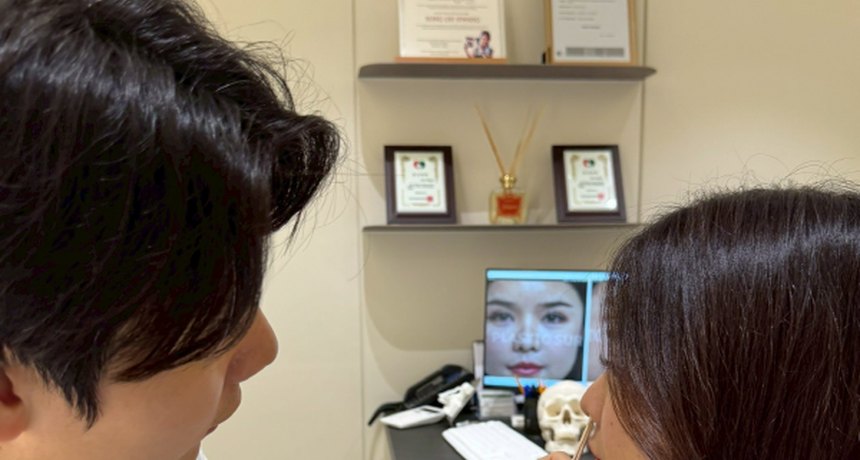
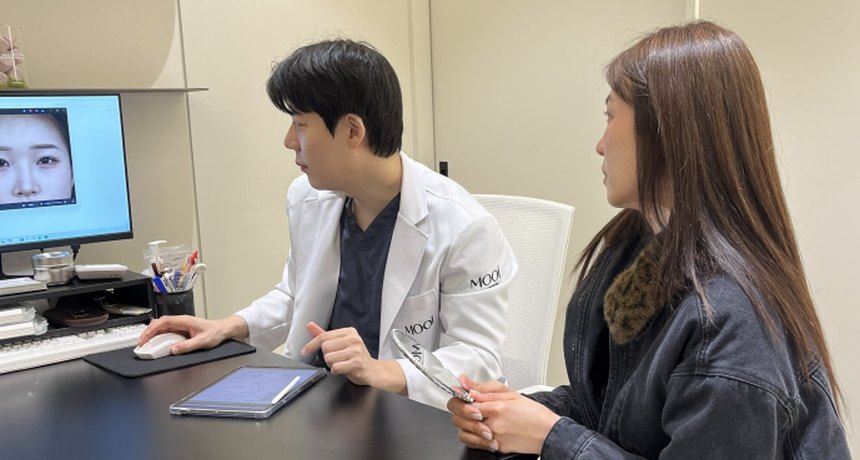
Green flags include clinics that offer computer imaging during consultation, surgeons who proactively discuss facial proportions rather than just the nose in isolation, and facilities that maintain detailed before-and-after photo portfolios featuring patients with a similar ethnic background to yours. Red flags include any clinic that pressures you into same-day booking, cannot provide verifiable before-and-after documentation, or quotes a price significantly below market rate without a clear explanation. Always verify that the surgeon holds board certification in plastic surgery from the Korean Medical Association or an equivalent recognized body.
What to Know Before You Book
Before committing to a clinic for Korean rhinoplasty natural results, here are key practical insights from our firsthand research across multiple Gangnam and Apgujeong clinics.
- Book consultations at multiple clinics: Clinics we contacted confirmed that most charge between ₩50,000 and ₩150,000 KRW for consultations, but some offer free first consultations for international patients. Visiting at least two to three clinics before deciding dramatically improves the quality of your final decision.
- Bring reference photos, but stay open: Based on our research across multiple Gangnam clinics, surgeons strongly prefer when patients bring reference photos but remain open to modifications based on their own anatomy. Insisting on a result that doesn’t suit your facial structure is the leading cause of dissatisfaction.
- Request your surgeon’s actual credentials in writing: Clinics we contacted confirmed that reputable surgeons will provide board certification documentation without hesitation. Always verify credentials before signing any consent form.
- Plan for post-operative accommodation near your clinic: Several clinics in the Gangnam district offer partnerships with nearby serviced apartments or guesthouses that cater specifically to post-surgical patients, with amenities like cold compress availability and proximity to the clinic for follow-up visits.
- Confirm what is included in the quoted price: Based on our research, pricing transparency varies widely. Some quotes are all-inclusive while others exclude anesthesia or post-operative garments. Always request an itemized cost breakdown in writing before committing.
Frequently Asked Questions
How long does Korean rhinoplasty natural swelling last?
Initial swelling typically reduces by 60 to 70 percent within the first 4 to 6 weeks. However, the final natural result of rhinoplasty — including complete tip refinement — may take 6 to 12 months to fully emerge. Patients should avoid evaluating their outcome before the 3-month mark at the earliest.
Is rib cartilage rhinoplasty really more natural-looking than silicone implants?
In most cases, yes. Rib cartilage integrates with your body’s own tissue, reducing the risk of visible implant edges or skin thinning over time. Many Korean surgeons recommend rib cartilage for patients seeking the most natural, long-lasting outcome, particularly for tip refinement and revision cases.
Can foreigners get natural rhinoplasty in Korea without speaking Korean?
Absolutely. The majority of internationally focused clinics in Gangnam and Apgujeong employ English-speaking coordinators who handle consultations, paperwork, and follow-up communications. Some clinics also offer support in Chinese, Japanese, Thai, and Vietnamese for their most common international patient groups.
How do I know if my Korean rhinoplasty result will look natural on my face?
During consultation, ask your surgeon to perform a digital simulation showing the anticipated result on your actual facial photos. Reputable clinics use 3D imaging software to preview outcomes. Make sure the surgeon discusses your ethnic anatomy, facial proportions, and skin thickness — not just the nose shape in isolation.
What is the best time of year to visit Seoul for rhinoplasty recovery?
Spring (April to May) and autumn (September to October) are widely considered the best seasons for post-surgical recovery in Seoul. The mild temperatures reduce swelling-related discomfort, and the lower humidity compared to summer makes healing more comfortable. Many international patients coordinate their procedure timing around these windows.
Is Korean rhinoplasty permanent?
Yes, in most cases. Structural changes to cartilage and bone are permanent. However, if a silicone implant is used, it may need to be replaced or removed over decades due to capsular contracture or shifting. Autologous cartilage grafts, by contrast, are considered a permanent and stable solution for natural rhinoplasty outcomes.
Related Articles
If you found this guide helpful, you may also want to explore these resources on our site:
- Nose Job Gangnam Guide
- Rhinoplasty Korea Cost Overview
- Complete Nose Surgery Korea Guide
- Nose Surgery Korea Results and Photos
- Best Rhinoplasty Korea Clinics